
 In the second of a series of interviews with key figures involved in the success of Drone World Expo, we talked to Kathleen “Kat” Swain, Senior Director of UAS Programs, AOPA – Aircraft Owners and Pilots Association. Kat is responsible for developing and managing the UAS “Drone” programs at Aircraft Owners and Pilots Association. Kat joined AOPA in March 2016. Before joining AOPA, Kat was Vice President for Measure UAS, a technology startup providing commercial drone service to several business verticals. Continue reading
Amateur Drone Lands on £3BN HMS Queen Elizabeth

It is a £3BN state-of-the-art investment, commissioned to reassert Britain’s supremacy on the high seas. But this week the Royal Navy was left blushing after it emerged that an amateur enthusiast managed to land a £300 drone on the deck of HMS Queen Elizabeth – without anyone raising the alarm. Continue reading
Kratos Mako Completes Successful Flight Test Series
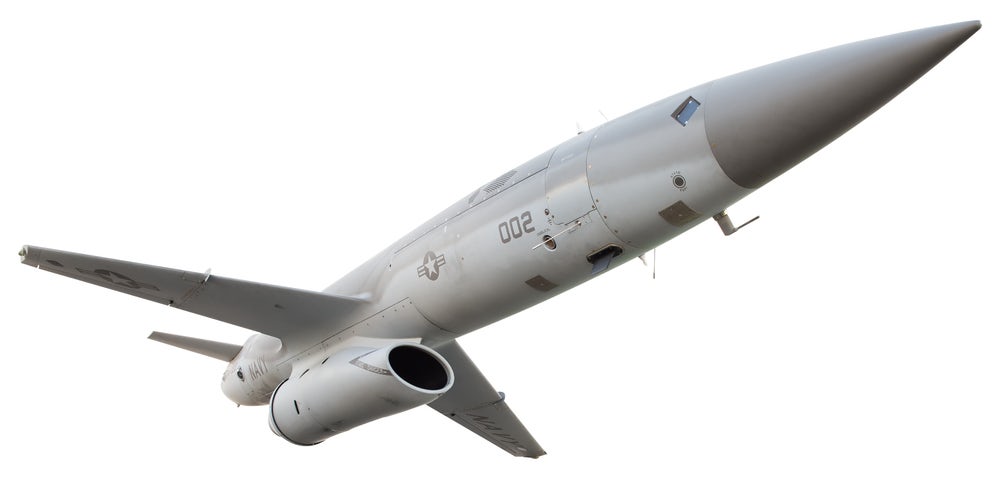
UTAP-22 Mako
Kratos Defense & Security Solutions, Inc. recently completed a flight test series evaluating the next evolution of the UTAP-22 Mako Unmanned Aerial System that was first introduced and demonstrated in late 2015. Continue reading
More Work for RPA Pilot Training Unit
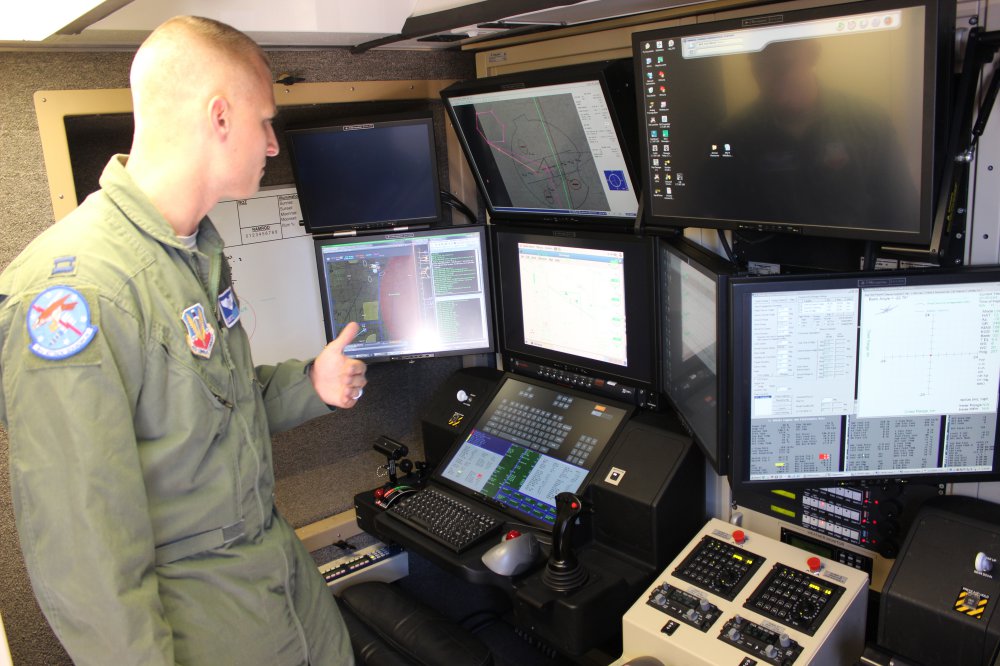
MQ-9 trainers are still facing a task to increase the output of pilots and sensor operators, on track to reach a high of 700 this year with even more needed. Continue reading
US Air Force Lab Tests High-Efficiency Engine for UAS
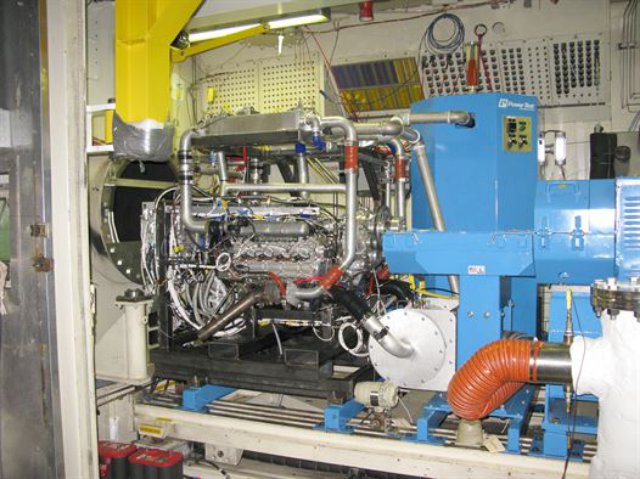
The US Air Force Research Laboratory Advanced Power Technology Office, along with Engineered Propulsion Systems and the Arnold Engineering and Development Center, recently concluded ground-based testing of an advanced diesel engine that promises to increase the utility and ease the logistics burden of military aircraft missions. Continue reading
First Offshore Drone Survey for Norway’s DNV GL

DNV GL surveyors have carried out the classification society’s first offshore drone survey on the semisubmersible vessel Safe Scandinavia in the North Sea. This 25,383 GT tender support vessel (TSV) is owned and operated by Prosafe, supporting Statoil’s drilling operations off the coast of Norway. Continue reading
Peruvian Air Force Develops Two New Drones
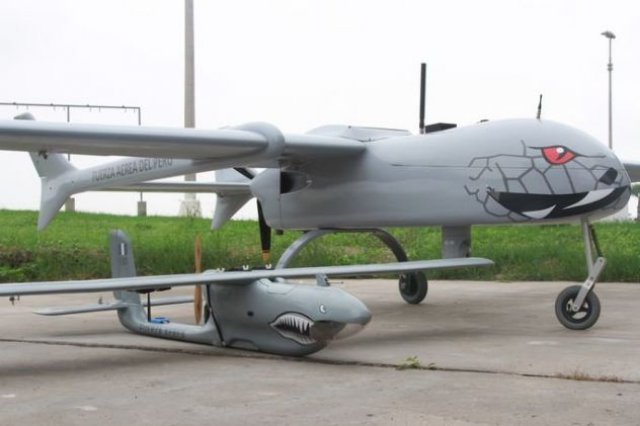
CIDEP’s latest creations, Ricuk and Amaru
The Peruvian Air Force’s (FAP, per its Spanish acronym) Project Research and Investigation Center (CIDEP, per its Spanish acronym) was created in 1993 to develop flight simulators for Cessna A-37 aircraft. Continue reading
Modified X-47B Appears as Testbed for MQ-25 Bid
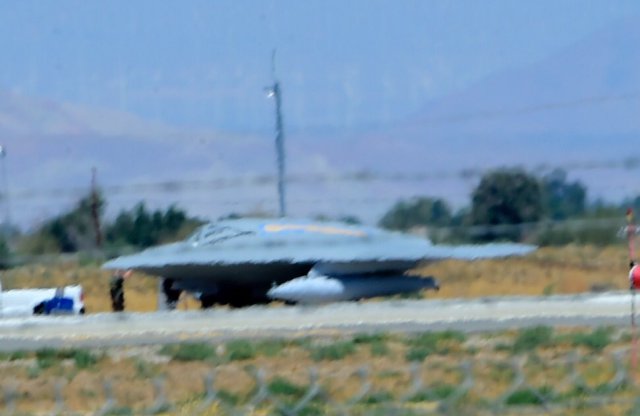
Northrop Grumman is using an X-47B unmanned air vehicle (UAV) as a flying testbed for air refuelling systems in support of its proposal for the U.S. Navy’s upcoming MQ-25A Stingray unmanned aerial refuelling tanker contest. Continue reading