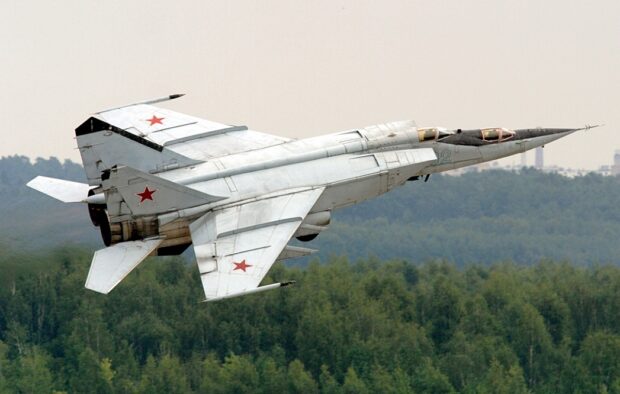
The MiG-19 was ugly, dangerous, endlessly fascinating — and it had a nasty reputation for exploding. The Soviets built over 2,000 anyway. Continue reading
UAS VISION
an independent online news service for the Unmanned Aircraft Systems world
The MiG-19 was ugly, dangerous, endlessly fascinating — and it had a nasty reputation for exploding. The Soviets built over 2,000 anyway. Continue reading
The surge in the use of one-way effectors, loitering munitions, otherwise known as ‘kamizake drones’ or strike drones, has created the demand for effective defences. The Interceptor drone is one of the best defences against strike drones – drone against drone. Continue reading
In the summer of 1953, a British jet crossed into Soviet airspace at over 50,000 feet, photographed a secret missile site, took fire from MiG-15s, and made it home. Officially, Britain still denies the mission ever happened. This is the story of the English Electric Canberra — the aircraft that turned altitude into a weapon, set a 63,668-foot world record, and kept flying from the early Cold War all the way into Iraq and Afghanistan. Continue reading
It looked like nothing else in the sky – if you were lucky enough to even catch a glimpse of it. Two engines, nose to tail, one pulling and one pushing – working together to generate enough force to shoot the machine at speeds of 470 miles per hour. Continue reading
The monster was born behind locked doors in wartime Britain. Its silhouette was unnatural, its speed hard to believe, and when it lifted into the air, it seemed to float as if the rules of physics no longer applied. They called it the Vampire. Continue reading
Pilots called it the Luftwaffenfeuerzeug: the Luftwaffe’s Lighter. The Heinkel He-177 Griffin, a massive four-engine heavy bomber, had a fatal flaw: its engines were crammed together in pairs, generating heat no cooling system could handle. Aircraft exploded on runways before ever reaching combat. Continue reading
4,000 pounds of airframe. 3,000 pounds of engine. It will reach 424 miles per hour and rocket off a carrier deck at nearly 5,000 feet per minute. By 1943, America is finally smashing its way across the Pacific. But there is still a problem no plane has solved. Continue reading
In the spring of 1943, the Bay of Biscay had become a hunting ground–grey water, broken clouds, and constant ambush. Eight Junkers Ju 88s swept low across the waves, searching for the slow, ungainly shapes of Allied patrols. Continue reading