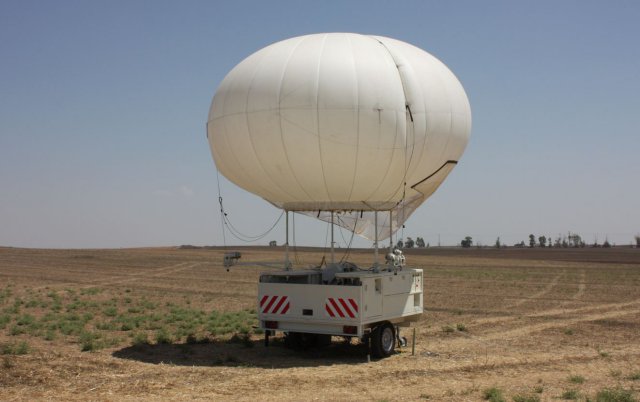
Israeli firm RT LTA has announced that it has been awarded a two year lease contract to provide Skystar 180 aerostats by the hour with crew to assist Israeli police. Continue reading

UAS VISION
an independent online news service for the Unmanned Aircraft Systems world
Israeli firm RT LTA has announced that it has been awarded a two year lease contract to provide Skystar 180 aerostats by the hour with crew to assist Israeli police. Continue reading
DSLRPros, Inc., responding to a recent safety campaign by industry officials and the FAA to advise drone operators how to fly their unmanned aircraft safely, announces the release of “Drone Academy X”, the first professional video series on drone education and safety. Drone Academy X releases on DSLRPros’ new digital platform, offering a new digital video platform for high-quality, prescreened educational products for the drone industry.
 Nick Woodman, the CEO and founder of GoPro discussed drones, innovation and the role of law and regulation before a receptive crowd last night at the Consumer Electronics Show (CES) in Las Vegas. Woodman’s remarks took place at the Leaders in Technology dinner, hosted by the sponsor of CES, the Consumer Electronic Association.
The Greek police force has purchased an additional number of unmanned air systems made by Israeli company BlueBird. Continue reading
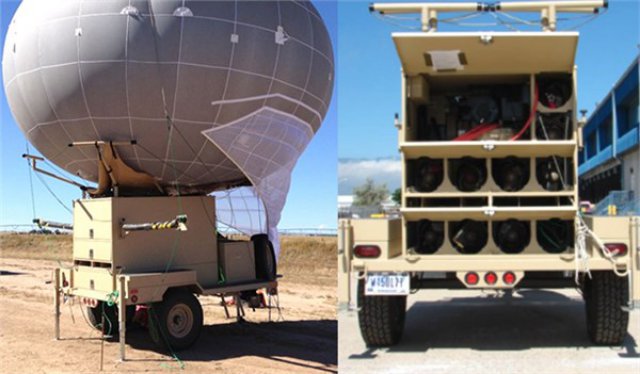 Drone Aviation Holding Corp., a developer of specialised lighter-than-air aerostats and tethered drones, has announced that its wholly-owned subsidiary, Drone Aviation Corp., has delivered a follow-on order of aerial and ground-based equipment to Eglin Air Force Base in Florida. This delivery is the latest of multiple military customers who continue to actively utilise the Company’s mobile aerostat launcher systems as part of their ongoing operations. Continue reading
 CNN will explore the use of drones for reporting, after receiving special permission from the U.S. government. In the first programme of its kind, the FAA will allow CNN to test camera-equipped drones for news gathering and reporting purposes.
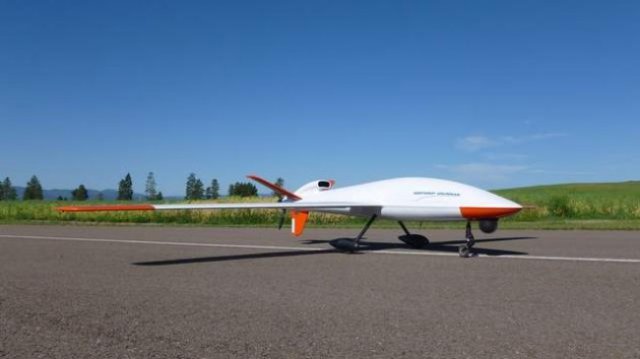 The Netherlands and aerospace services company Strat Aero has announced that it has entered into discussions at a senior level of the Netherlands Government with a view to establishing an Unmanned Aerial Vehicle (“UAV”) Training Centre in the Netherlands (the “Training Facility”), which when operational would be the first in Northern Europe. Continue reading
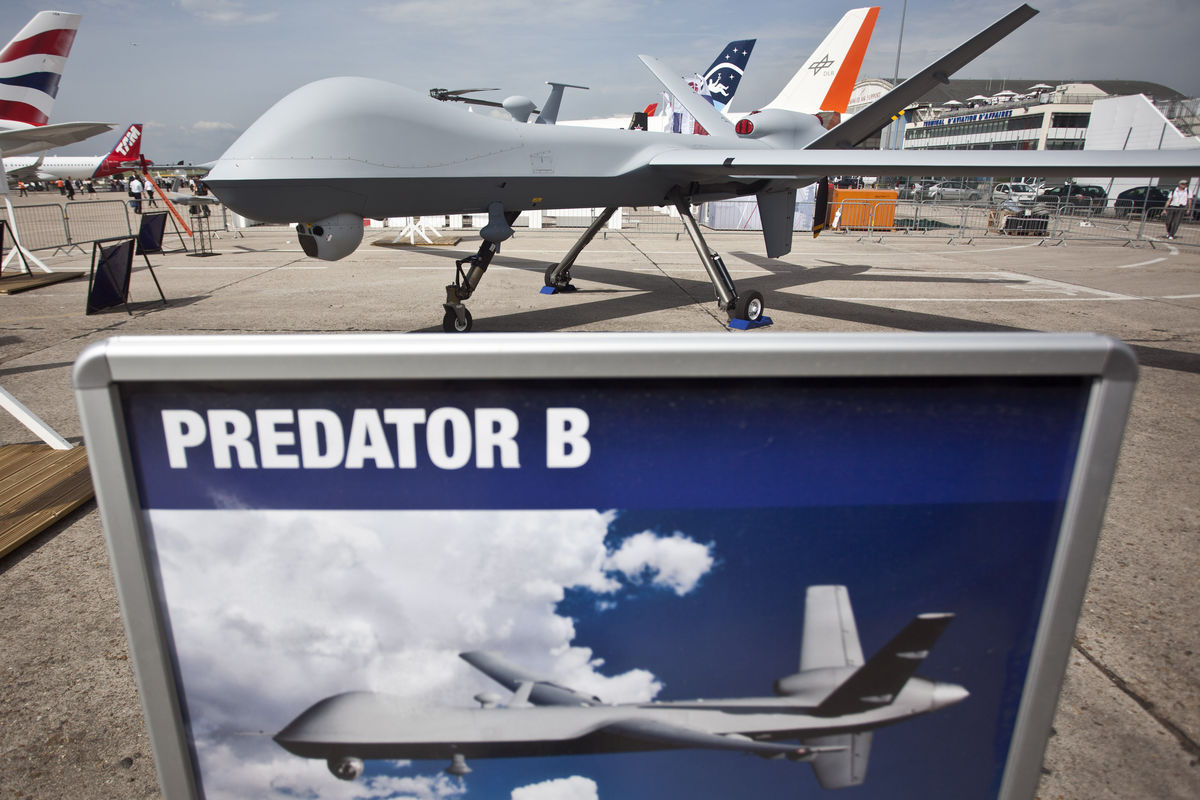
General Atomics Aeronautical Systems, Inc. (GA‑ASI) has announced that a Predator B/MQ-9 Reaper RPA has reached a record 20,000 flight hours on a single aircraft, signifying the highest flight time of any Predator B. The milestone was achieved while performing a 17-hour combat mission in support of Operation Enduring Freedom in Afghanistan on December 23. Continue reading