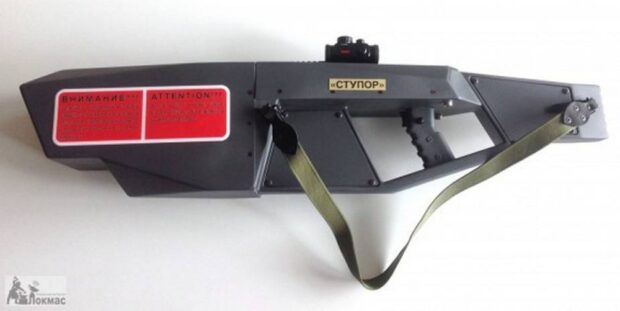
Stupor, Russia’s advanced electromagnetic weapon against unmanned aerial vehicles, has been used for the first time during the special military operation in Ukraine, a security source has told TASS. Continue reading

an independent online news service for the Unmanned Aircraft Systems world
Stupor, Russia’s advanced electromagnetic weapon against unmanned aerial vehicles, has been used for the first time during the special military operation in Ukraine, a security source has told TASS. Continue reading
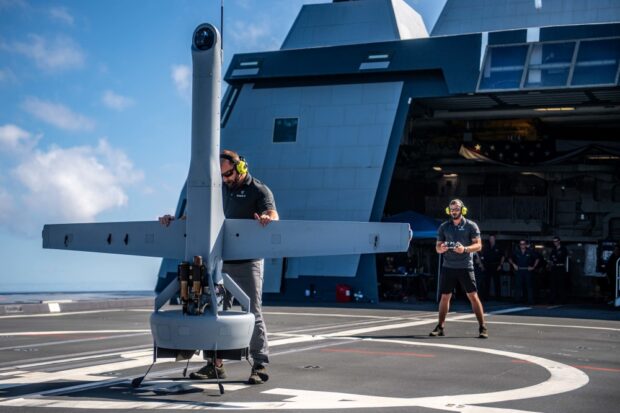
U.S. contractors with Shield AI conducted a test flight of a V-BAT 118 unmanned aerial system aboard Zumwalt-class destroyer USS Michael Monsoor (DDG 1001), July 13. Continue reading
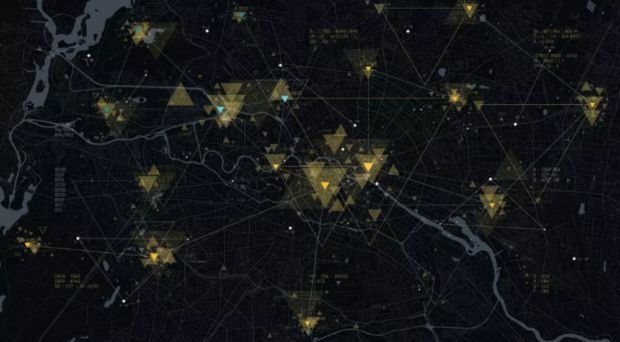

uAvionix has announced successful development of the world’s first Mode 5 Identification Friend or Foe (IFF) Level 2 Broadcast (M5L2B) combined transponder-receiver (CTR). The CTR is being designed as a form and fit replacement upgrade to the AIMS-certified (Mk XIIB) RT-2087/ZPX, the world’s smallest Mode 5 transponder. Continue reading
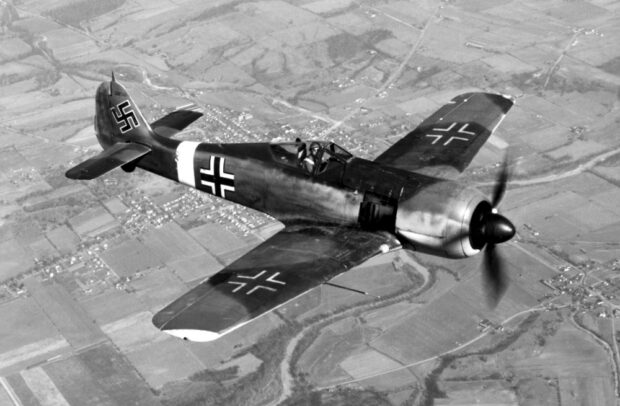
It was the summer of 1941, and the Royal Air Force was shocked to its core before the troublesome reports of a new devastating German fighter aircraft shredded through its squadrons. Continue reading

Bristow Group Inc., a global provider of innovative and sustainable vertical flight solutions, has signed a Letter of Intent (LOI) with Elroy Air to pre-order 100 Chaparral hybrid-electric cargo VTOL aircraft. Continue reading
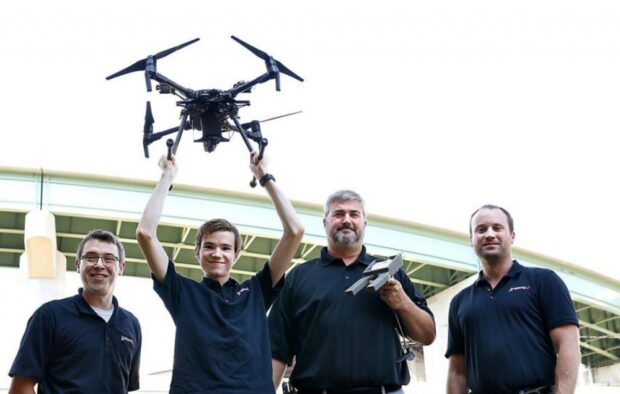
Virginia Venture Partners, the equity investment program of Virginia Innovation Partnership Corporation (VIPC), announced an additional investment in Richmond, Va.-based Linebird, developer of a solution that addresses the safety concerns of grid maintenance and monitoring with unmanned aerial systems (UAS). Continue reading
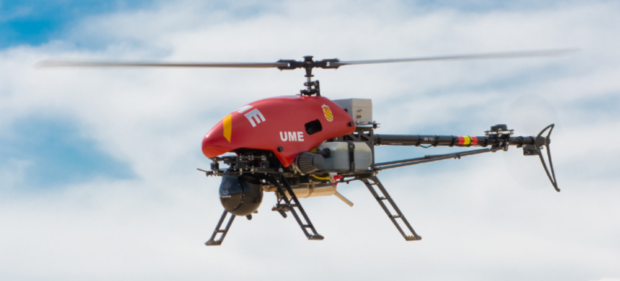
Firefighting services worldwide are constantly innovating, and the recent trend toward using Unmanned Aerial Vehicles (UAVs) is no exception. Climate change has been a key factor in increasing the risk and extent of wildfires. Climate change is creating ever warmer, drier conditions, increasing the risk of drought, and a longer season when fire is a real risk in many parts of the world. Continue reading