
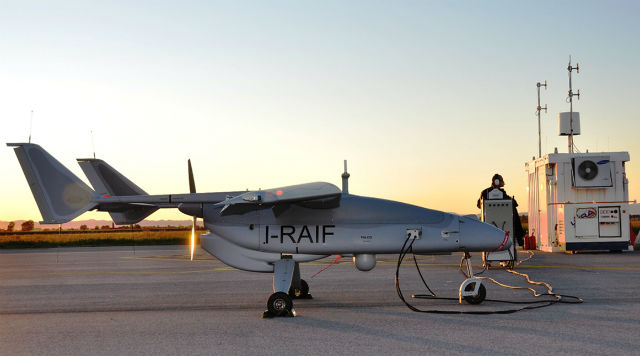
 The United Nations has selected its first unarmed surveillance aircraft, an Italian-made plane that will be tried out by peacekeepers in eastern Congo. Continue reading
Florida UAS Enforce Fishing Regulations
 Quote from a Florida Fish and Wildlife Conservation Report: “The vessel Peter Gladding and crew along with NOAA officials spent six days in the Dry Tortugas testing an unmanned, remote-controlled UAS called the Puma AE. The Puma AE captures images, video and has infrared capabilities,” the report says. Continue reading
Orbital Gets $4.5M Heavy Fuel Engine Contract from US Military Supplier
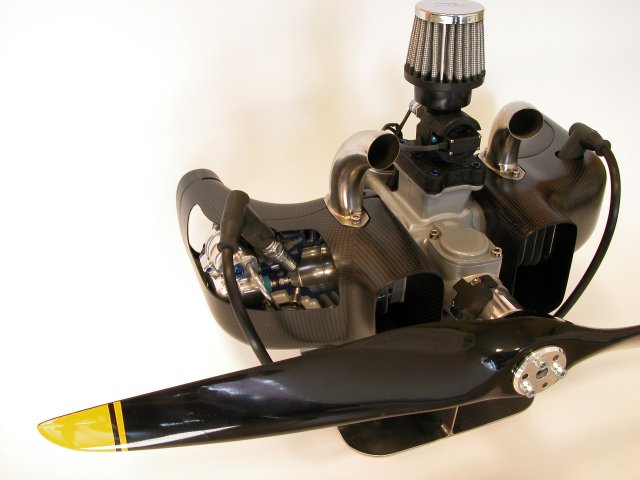 Orbital has announced that it has been awarded a contract for the development of a production engine for a small unmanned aerial system (sUAS). This United States customer has provided 24/7/365 operations for customers worldwide and has been delivering Intelligence, Surveillance and Reconnaissance (ISR) capabilities for both land and maritime missions. Continue reading
General Atomics Gets $39M US Air Force Contract for MQ-9 Control Station Upgrades
General Atomics – Aeronautical Systems, Inc. has been awarded a $39,455,726 cost-plus-fixed-fee contract for the MQ-9 Technology Insertion Technical Solution. This contract action will modify MQ-9 Block 5, Ground Control Station (GCS) Block 30 and GCS Block 50 as required to enable integration and testing of the Tech Insertion capability. Continue reading
Cloud Cap Technology TASE400 Gimbals Bring Long Range ISR to the Tactical Level
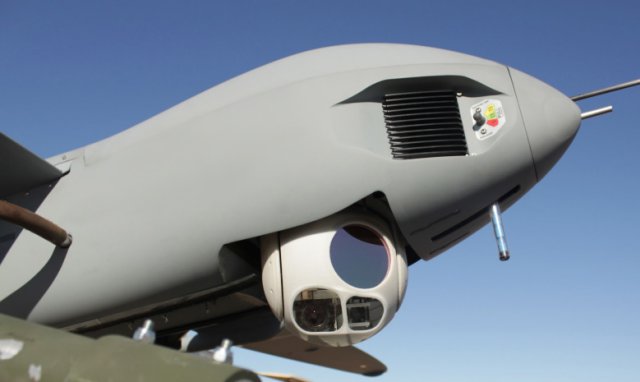
UTC Aerospace Systems offers two Cloud Cap Technology TASE400 camera system configurations that put the performance of much larger and heavier gimbals in a compact 7 inch, 8 lb. TASE400 package. Continue reading
X-56A Technology Demonstrator First Flight
 The US Air Force Research Laboratory, in conjunction with Lockheed Martin and NASA, recently took a major step in the development of active aircraft control technologies with the first flight on July 26 of the X-56A Multi-Utility Technology Testbed flight demonstrator, at NASA Dryden Flight Research Center at Edwards AFB, California. Continue reading
NASA Cancels RFI for Research And Development Sources for Airworthiness Certification Case Study For Unmanned Aircraft Systems
US Government Accountability Office Wants Military to Adopt Open Systems for Unmanned Aircraft Systems
An open systems approach, which includes a modular design and standard interfaces, allows components of a product (like a computer) to be replaced easily. This allows the product to be refreshed with new, improved components made by a variety of suppliers. Designing weapons as open systems offers significant repair, upgrade, and competition benefits that could translate to millions of dollars in savings as the weapons age. Continue reading