
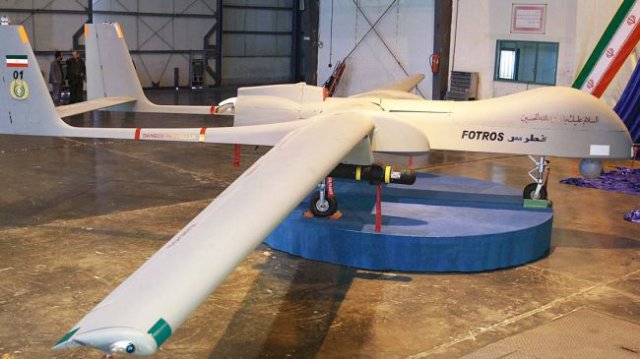
 Observers of formal Iranian reports dealing with the development of various weapon systems have been familiar, for years now, with the ritual where various weapons are presented to senior officials, normally in the presence of the Iranian Defence Minister, who has the honour of unveiling “the world’s best and most advanced” weapon systems, as they are normally introduced.
NASA Dryden Students Achieve Proverse Yaw Through Wing Tip Aerodynamics
A group of college aerospace engineering students in the 2012-2013 Aeronautics Academy at NASA’s Dryden Flight Research Center have proven German aerodynamicist Ludwig Prandtl’s theory on how to overcome one of the thorny problems of flight — adverse yaw due to induced drag — without relying on rudders or complicated computerized flight controls to accomplish it. Continue reading
US Air Force Cadets Hunt Down Pine Beetles
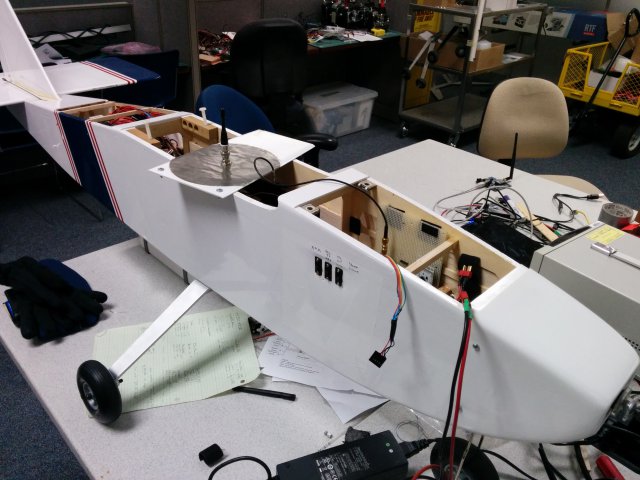 Cadets in the US Air Force Academy’s Systems Engineering 460 course are engineering a remotely piloted aircraft programme and platform to monitor ponderosa pine trees for beetle infestations. They’re set to select a sensor for their RPA that can scan trees in near-infrared and visible light wavelengths to spot ips beetle infestations.
RQ-4B Global Hawk Resurrected for Static Training
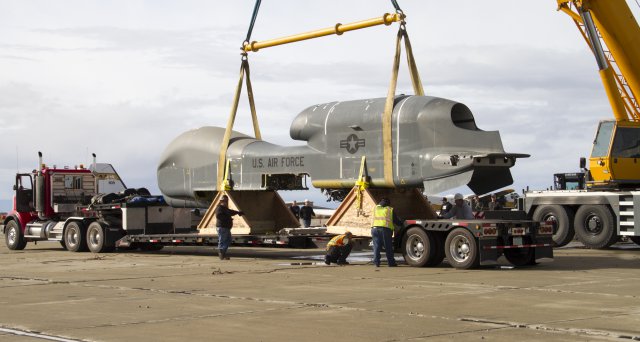 During a flight in May 2009, an Edwards RQ-4B Global Hawk Block 20 remotely piloted aircraft (tail number 2016) encountered a complete spoiler communication loss and had to execute an emergency landing on the dry lake bed at Edwards Air Force Base. During landing, the aircraft sustained major damage to the right main landing gear and wing when it struck a precision approach path indicator light.
McGill Research Develops Autonomous Support for UAS
 Research at McGill is helping the Canadian military develop UAS software for use in combat operations, according to documents obtained through the Access to Information (ATI) Act. Since 2011, the University has received more than $1 million in defence contracts from the Department of National Defence.
Brazilian Navy Trials ScanEagle
The Brazilian Navy has recently conducted trials with the Boeing/Insitu ScanEagle. Continue reading
NASA Can Now Predict Sinkholes Before They Happen
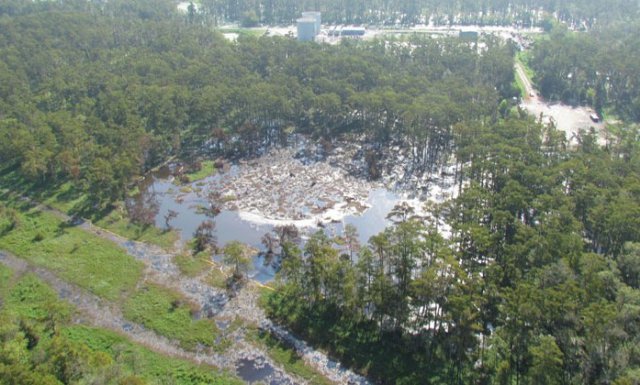 NASA researchers have found a way to predict a sinkhole before it happens.The researchers from NASA’s Jet Propulsion Laboratory in California have taken thorough looks at data that will spot sinkholes as they form before the surface collapses. This will be done using a technology called InSAR or Interferometric Syntheti Aprture Radar.