
AERTEC Solutions, an aeronautical engineering company, and In-Nova Group, a multinational technological innovation firm, have been awarded a contract to supply the Ministry of Defence of Colombia with two complete UAV systems. Continue reading
Wild MX2 Aerobatics at New Zealand Warbirds Airshow
Doug Brooker shows off his impressive aerobatic skills in his MX-2 at a New Zealand Warbirds airshow held at Ardmore Aerodrome, Auckland, New Zealand. Continue reading
Camcopter Under Fire in Ukraine
The Organization for Security and Cooperation in Europe (OSCE) has announced that its recently deployed Schiebel Camcopter unmanned air vehicle was the target of anti-aircraft gunfire above Ukraine, although it managed to fly away undamaged. Continue reading
US Navy Issues RFI for Triton Sense and Avoid Radar
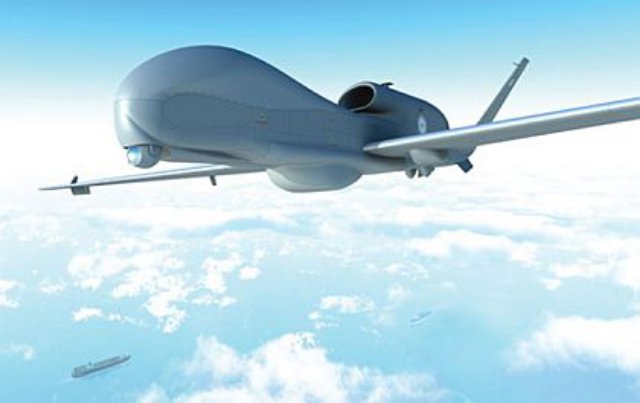
The U.S. Naval Air Systems Command (Navair) is seeking information from industry on radar and antenna solutions that could provide the MQ-4C Triton unmanned aircraft with a “sense and avoid” (SAA) capability it needs to fly in unrestricted airspace with other aircraft. Continue reading
Intel Capital Invests in PrecisionHawk
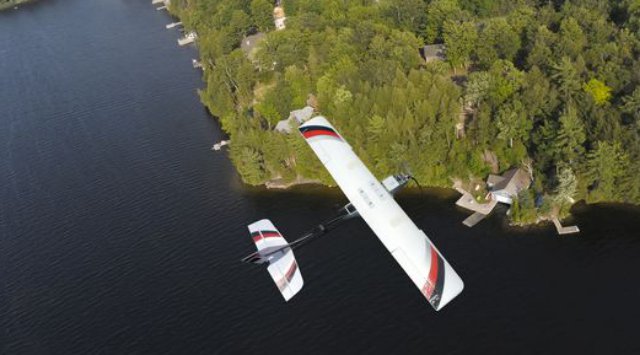 PrecisionHawk, which uses a small, lightweight UAV and cloud-based software to collect, process and analyze aerial data, today announced that Intel Capital has joined its previously announced Series B funding round of $10 million. The new investor announced its participation at the Intel Capital Global Summit, which brings together more than 1,000 founders and CEOs from Intel Capital’s portfolio, Fortune 1000 business executives and industry leaders from around the world.
Neuromorphic Chips to Control UAS
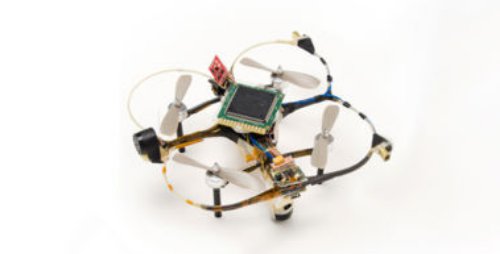
There isn’t much space between your ears, but what’s in there can do many things that a computer of the same size never could. Your brain is also vastly more energy efficient at interpreting the world visually or understanding speech than any computer system. Continue reading
Poland Wants Armed Drones Amid Ukraine Crisis

NATO member Poland said Tuesday it will acquire combat drones as part of a multi-billion-euro revamp of its armed forces amid heightened tensions with Russia over its role in the Ukraine crisis. Continue reading
Australia to use Heron as Training Bridge to MQ-4C Triton
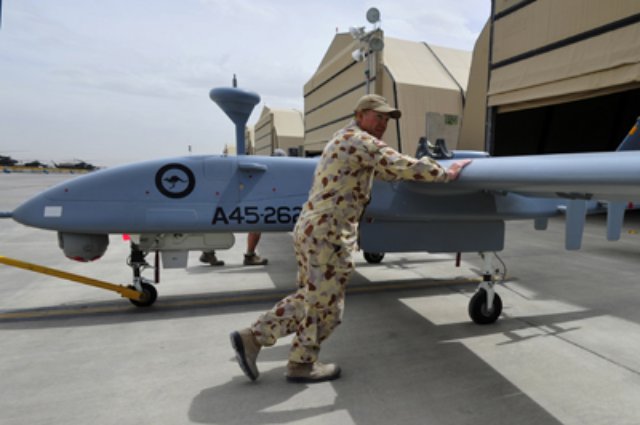 The Royal Australian Air Force (RAAF) will continue operating two Israel Aerospace Industries’ Heron unmanned aircraft systems (UAS) until the service receives MQ-4C Tritons from the U.S. The RAAF will use the medium-altitude, long-endurance Herons for training as well as for efforts to integrate unmanned aircraft into Australian airspace, the Department of Defense said.