
 New Zealand Transport Minister Simon Bridges is keen to push ahead with “light handed risk-based” rules around drones after meeting politicians, United States regulators and companies including Google.
Unmanned Aircraft Encounters Increasing in USA
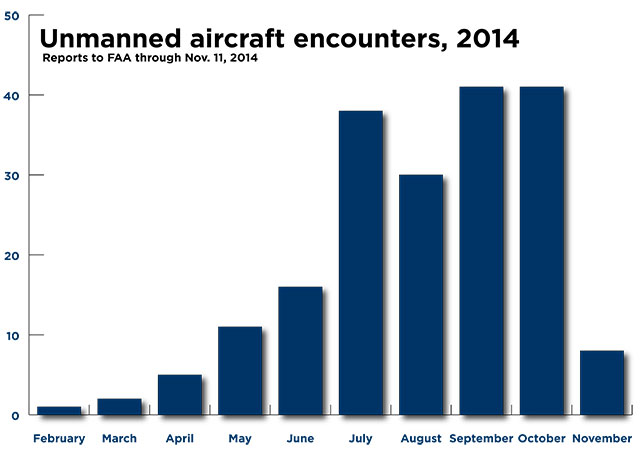 Nearly 200 encounters with unmanned aircraft, ranging from amusing to chillingly dangerous, were reported to the FAA between February and November of 2014; a list published by a New Orleans television station May 26 documents the growing use of drones—authorized and otherwise—and their infiltration of the National Airspace System.
Anti-UAV Defence System Detects UAVs at 8km
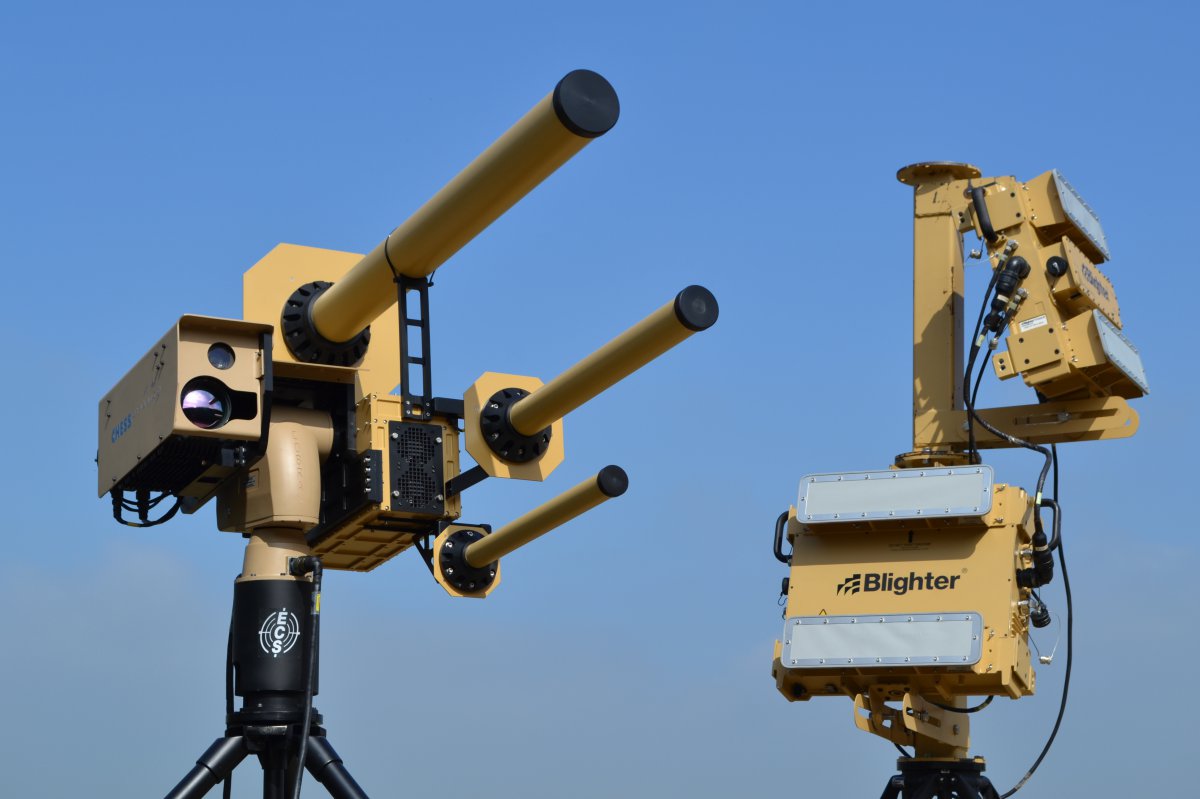 A trio of British technology companies comprising Blighter Surveillance Systems, Chess Dynamics and Enterprise Control Systems – leaders in their respective fields – have combined forces to develop a powerful, highly effective and fully integrated Anti-UAV Defence System (AUDS) to combat the growing threat of malicious micro, mini and larger unmanned aerial vehicles.
Chinese Team Flies 3D Printed Drones at South Pole
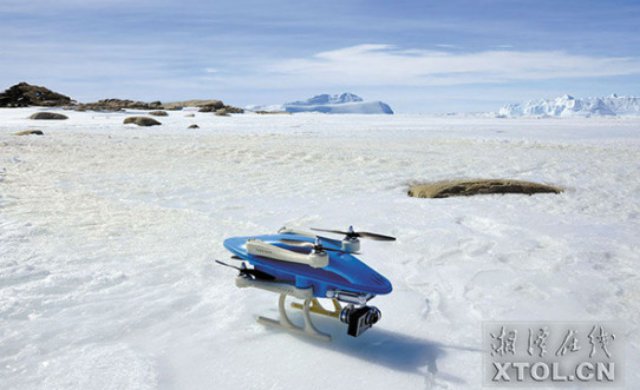 The Chinese Antarctic Expedition Team tested whether 3D printed drones can withstand extreme conditions by taking them to the South Pole to expose it to high altitude and low temperatures at the same time.
UAS Navigation without GPS
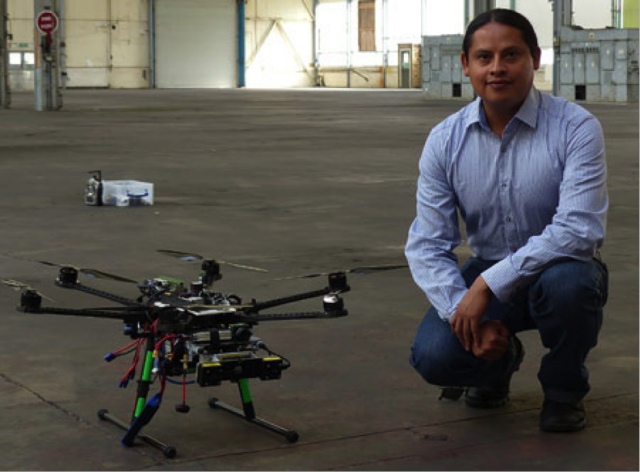 With the goal of achieving autonomous flight of these aerial vehicles, the researcher José Martínez Carranza from the National Institute of Astrophysics, Optics and Electronics (INAOE) in Mexico, developed a vision and learning system to control and navigate them without relying on a GPS signal or trained personnel.
Enrique Iglesias Slices Finger Reaching for Drone
 Latin pop singer Enrique Iglesias learned the hard way that one shouldn’t just reach and grab drones, even when they’re flying around you.
French Air Force Adds Third Reaper to Fleet
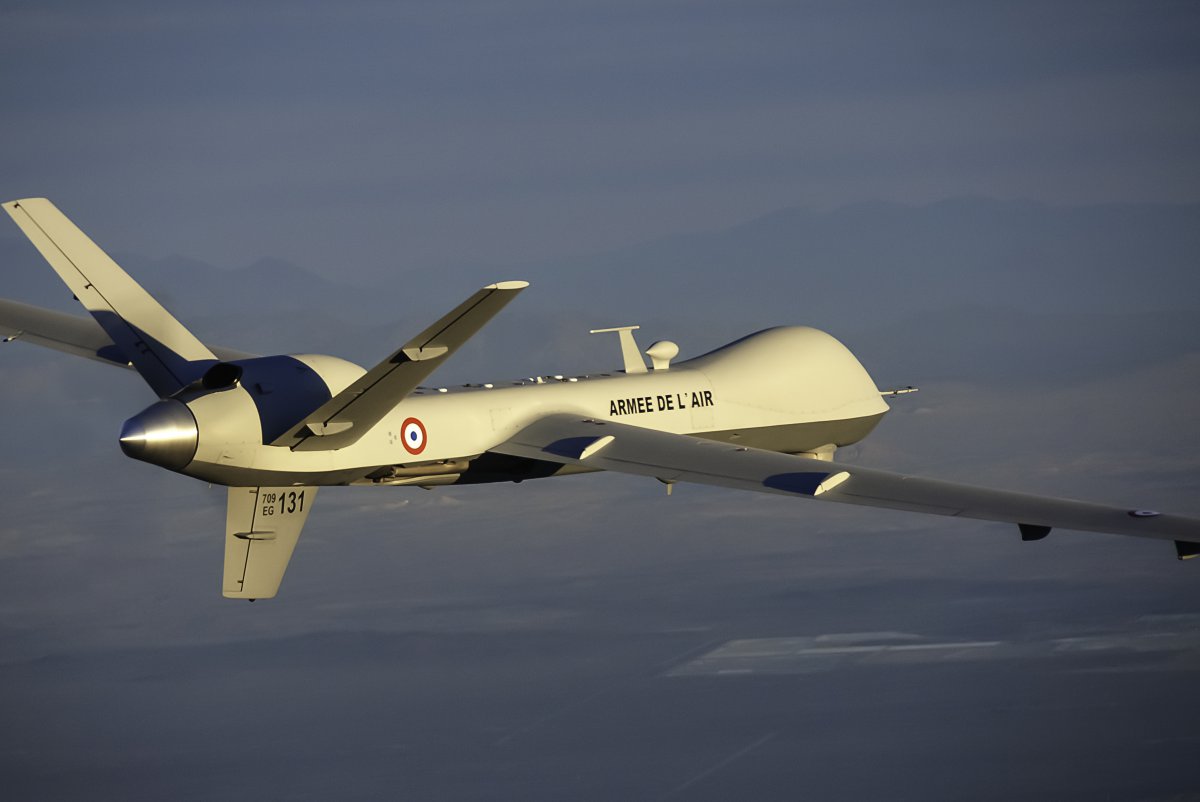 General Atomics Aeronautical Systems, Inc. has announced that it has delivered a third Predator B/MQ-9 Reaper RPA to the French Ministry of Defence. Delivered less than two months after contract award, the aircraft joins two other French Reapers in service, which together have accumulated over 4,000 flight hours since operations began in January 2014.
Airware Launches Drone Investment Fund
Airware is announcing the Commercial Drone Fund, which will invest $250,000 to $1 million in dozens of early stage startups that are building out other components of the enterprise drone ecosystem. The fund’s first two investments are in RedBird, a Paris-based drone data processing startup, and Sky-Futures, a London company that builds drone sensors for monitoring oil and gas infrastructure. Continue reading