
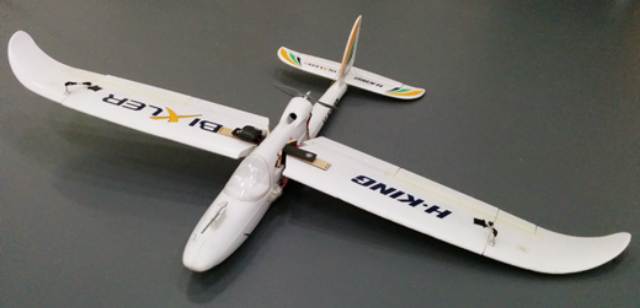
 The very first UAV to perform a perched landing using machine learning algorithms has been developed in partnership with the University of Bristol and BMT Defence Services (BMT), a subsidiary of BMT Group Ltd.
Category Archives: Research
K-State University Gets $1M UAS Wheat Study Grant
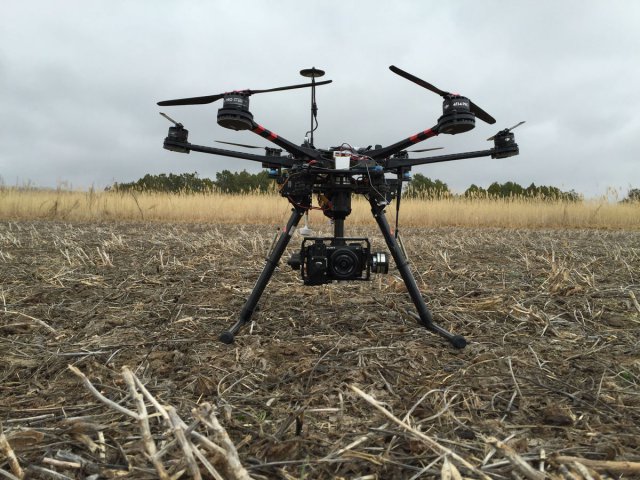
The National Institute of Food and Agriculture has awarded $975,000 to Kansas State University for work that incorporates unmanned aerial vehicles in the process of breeding better wheat varieties. Continue reading
Virginia Tech’s Role in Project Wing
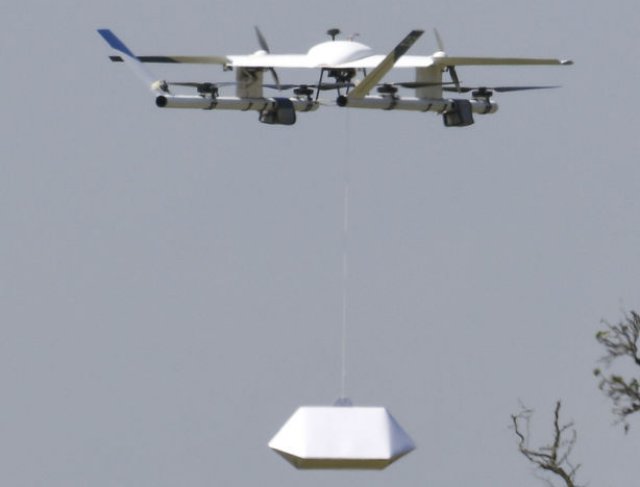 Three months after Alphabet, Google’s parent company, delivered hundreds of Chipotle burritos with drones in Blacksburg, the company says the experiment was a “complete success.” But that’s about the extent of what the tight-lipped tech giant is willing to discuss.
Simultaneous Localisation and Mapping
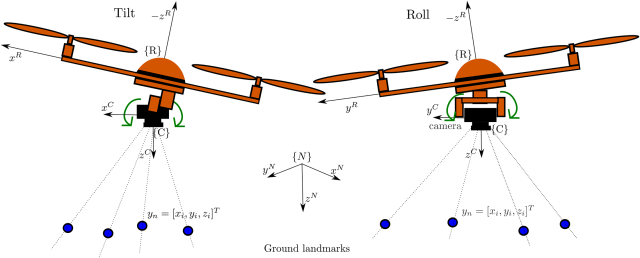
There are still important problems to be solved in autonomous robotics, and simultaneous localisation and mapping (SLAM) is one of them. A recently published paper tries to tackle this problem and contributes to give even more autonomy to mobile robots. Continue reading
UAE Research Shows Hydrogen Could Lift UAS Higher
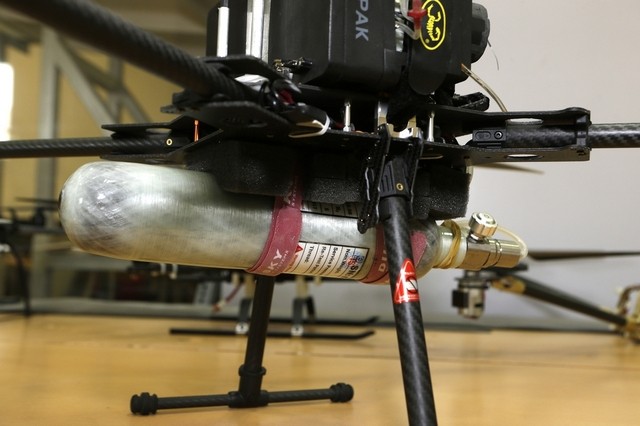
The American University of Sharjah has announced that a research exercise run by Prof Mohamed Gadalla, of the mechanical engineering department, has resulted in a multi-propeller drone powered by a hydrogen fuel cell being flown in front of the main university building.
Exploring the Changing Earth, in Real Time
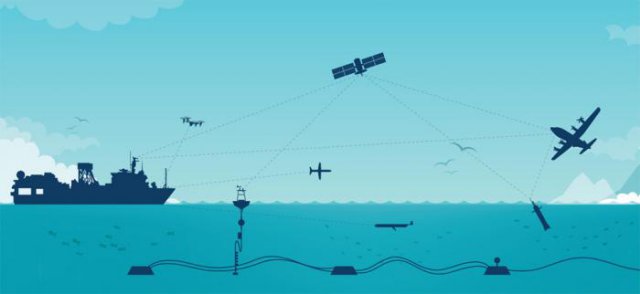 Across the Lamont-Doherty Earth Observatory campus, scientists are exploring undersea volcanoes, monitoring coastal erosion along hard-to-reach shorelines, and studying the movement of sea ice – all in real time. By loading drones with high-tech instruments and using satellites and undersea cables that are interacting with sensors in some of the most remote locations on Earth, they are uncovering the secrets of our planet. Continue reading
NASA X-56 Moment of Inertia Tests
Engineers at NASA’s Armstrong Flight Research Center examined the X-56 Multi-Use Technology Testbed as the aircraft underwent “moment of inertia” testing in the center’s Flight Loads Laboratory (FLL). Continue reading
NRL’s First Flight with Custom Hydrogen Fuel Cell
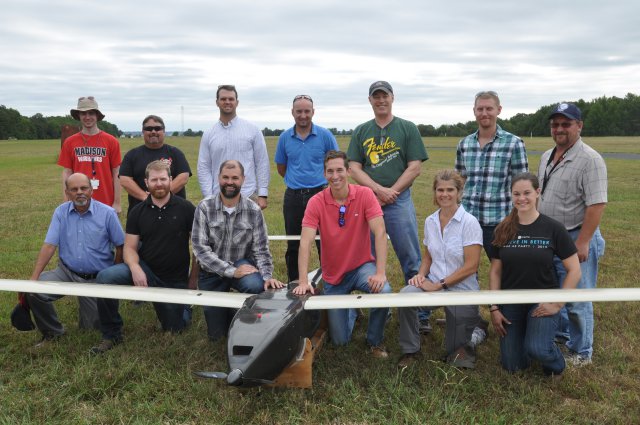 Researchers from the U.S. Naval Research Laboratory’s chemistry and tactical electronic warfare divisions completed the first flight of the Ion Tiger unmanned air vehicle with a new hydrogen-powered fuel cell built in-house.