
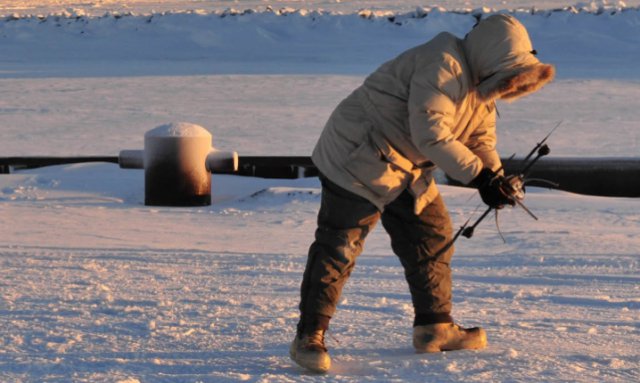
 As Norway’s polar waters open to development, that country’s lawmakers are becoming increasingly convinced that drones could serve as a potentially life-saving tool in the event of a maritime accident. Members of the Storting, Norway’s national assembly, gathered representatives from the industry last week to discuss how drones take over operations currently performed by manned aircraft.
Category Archives: First Responders
UAVs for Emergency Rescue
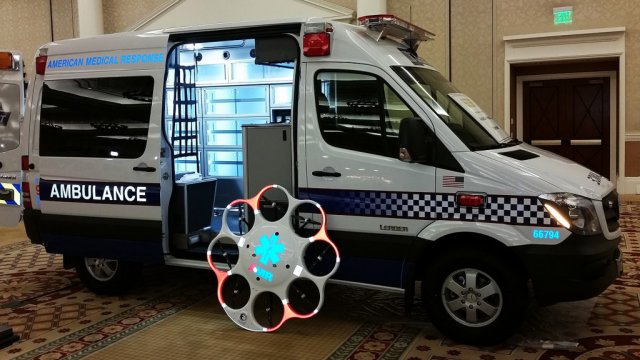
Drone America and American Medical Response (AMR) have announced a partnership that aims to bring Unmanned Autonomous Systems (UAS) to the EMS industry. By leveraging UAS technologies, AMR’s specialty teams would be able to provide swifter and safer rescue operations in dangerous situations such as disaster response, mountain rescue and swift water rescues. Continue reading
Drone Lifesaver Drops Flotation Device to Swimmers
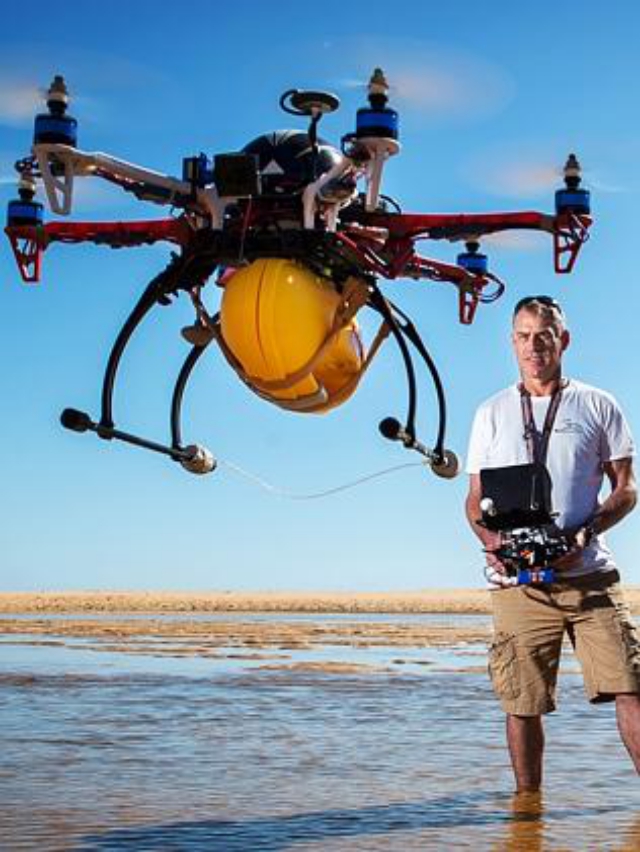 Lifesaving drones could rescue swimmers in distress in a hi-tech pitch to reduce drownings across Australia. Victorian paramedic Robin Lowe has developed a prototype that can hover and release a flotation device in less time than it takes a rescue crew to respond.
Comparing Traditional CSI Procedures with UAV Mapping
This experimental project was organised by the Royal Canadian Mounted Police and Pix4D, using UAV models from Draganfly and Aeryon Labs. The goal is comparing traditional CSI procedures with UAV mapping. Continue reading
Panic Button App Sends Drones to the Rescue
The LifeLine Response app can call the police and dispatch a drone at 60mph to record the scene is a person is in distress. To use the system, users fire up the app and tell controllers they are concerned. If they take their thumb off the button, a drone is sent and the police are called, using the location of the phone. Continue reading
K-Max Takes on Firefighting Mission
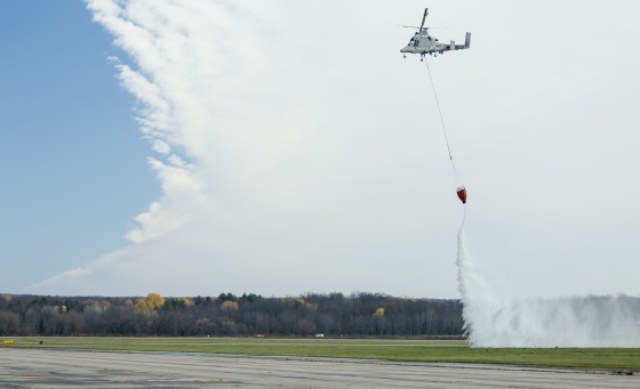
A team of Lockheed Martin and Kaman unmanned aircraft successfully demonstrated its ability to aid in firefighting operations, the company announced. Continue reading
Camcopter Helps Save 2800+ Refugees in Mediterranean
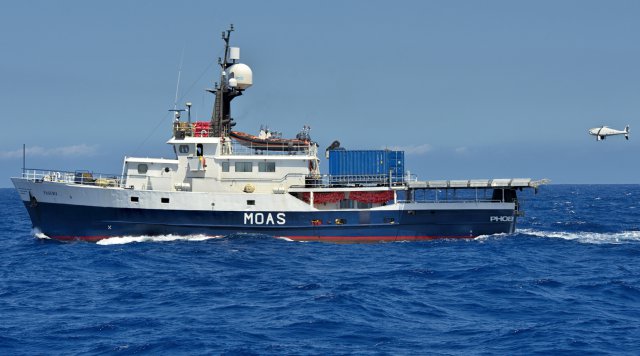 As part of the Migrant Offshore Aid Station (MOAS) operation Schiebel’s CAMCOPTER S-100 UAS (Unmanned Air System) helped to save the lives of over 2800 refugees in the Mediterranean Sea during several missions.
Ambulance Drone with Integrated Defibrillator
Graduate student Alec Momont of TU Delft has designed an unmanned, autonomously navigating mini aeroplane that can quickly deliver a defibrillator to where it is needed. A network of such drones could significantly increase the chance of survival following a cardiac arrest: from 8 % to 80 % ! Continue reading