California-based Joby Aviation’s second pre-production prototype aircraft has been granted airworthiness approvals. Continue reading


an independent online news service for the Unmanned Aircraft Systems world
California-based Joby Aviation’s second pre-production prototype aircraft has been granted airworthiness approvals. Continue reading

Hundreds of drones took to the night sky above Sydney’s iconic harbour in the first days of 2022, as a part of the six-day ELEVATE Sydney festival, organised by Destination NSW. Continue reading

In the plains of central Spain, just about 90 minutes south of Madrid, a firefighting robot is taking flight. With two engines, a smooth underbelly, and a construction straight out of World War II’s Atlantic theater, the Singular Aircraft Flyox is a drone designed as an aerial workhorse on land and water. It is one of a growing number of drones that may be called to fight forest fires as aerial tankers, augmenting or replacing crewed aircraft in the process. Continue reading

Next Century Ventures (NCV), the corporate venture capital fund of NEXEN TIRE, announced today that it has invested in ANRA Technologies, a supplier of air traffic control and commercial solutions in the Urban Air Mobility (UAM) industry, to further NCV’s goal of spearheading the mobility revolution. Continue reading
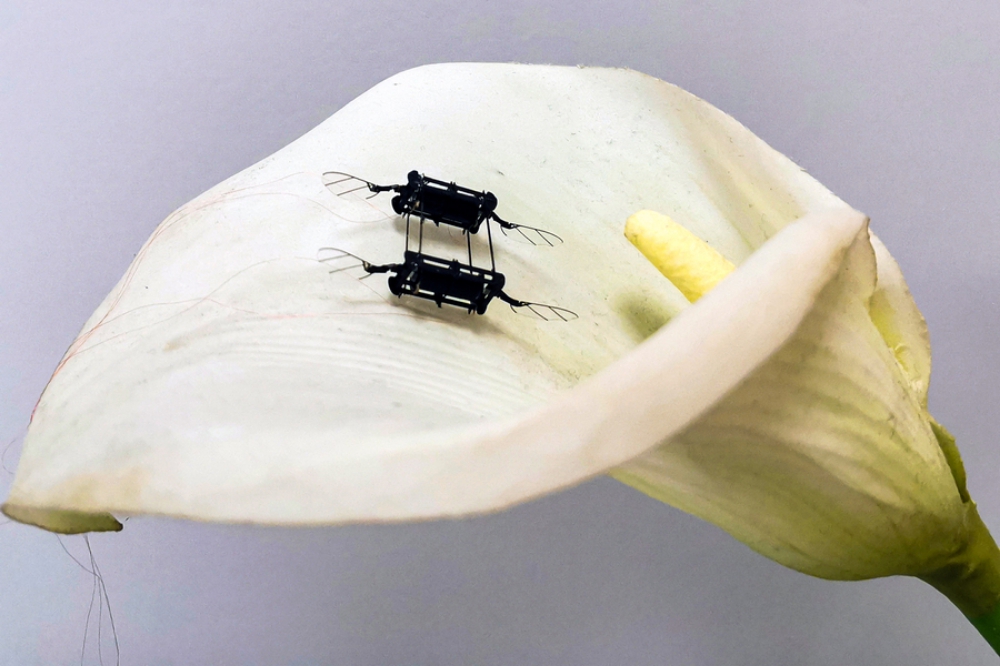
MIT researchers have demonstrated diminutive drones that can zip around with bug-like agility and resilience, which could eventually perform these tasks. The soft actuators that propel these microrobots are very durable, but they require much higher voltages than similarly-sized rigid actuators. The featherweight robots can’t carry the necessary power electronics that would allow them fly on their own. Continue reading
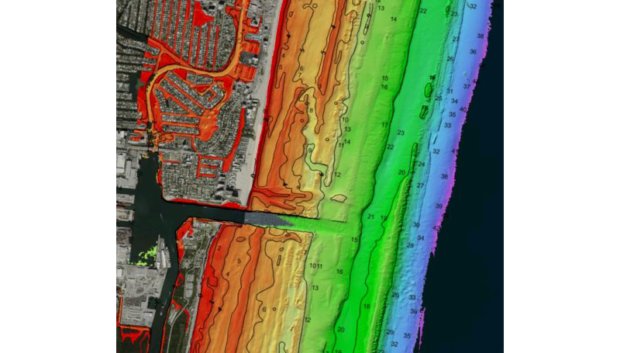
Woolpert has been granted a patent by the United States Patent and Trademark Office for its “Airborne Topo-Bathy Lidar System and Methods Thereof.” A lidar sensor system was developed by a multidisciplinary research and development team incorporating these technologies that enable the collection of high-resolution topographic and bathymetric data at a higher altitude, resulting in a broader swath than previously developed lidar systems. Continue reading
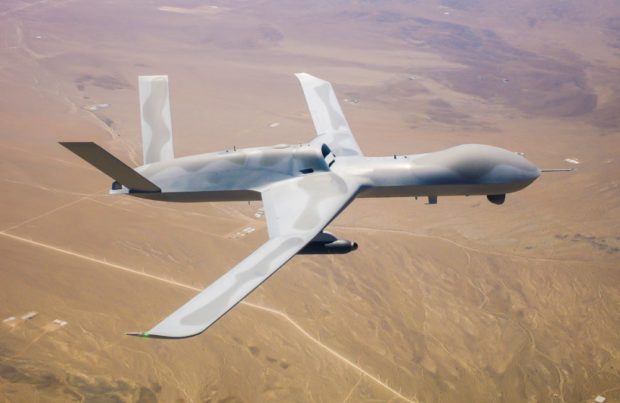
On November 18, 2021, General Atomics Aeronautical Systems, Inc. (GA-ASI) used two company-owned Avenger Unmanned Aircraft Systems, each equipped with a Lockheed Martin Legion Pod, to send long-range air threat data captured passively and fused by an advanced sensor algorithm to a Command Center. Continue reading

Civil Unmanned Aerial Systems (UAS) will be the most dynamic growth sector of the world aerospace industry this decade as nations open their airspace, commercial applications take off, and civil governments adopt systems for new roles in border security and public safety. Continue reading