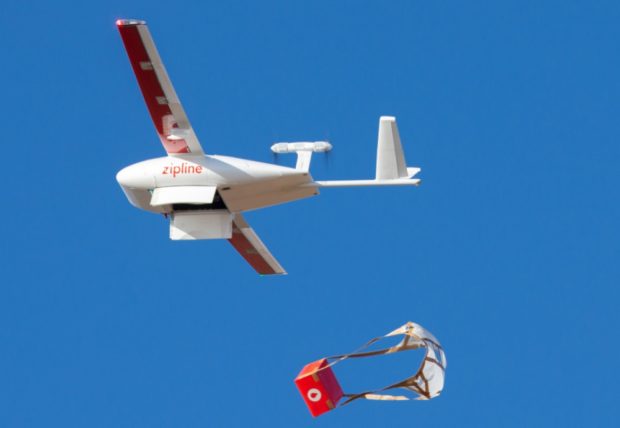
Zipline, an American company that specializes in using autonomously flying drones to deliver medical supplies, has taken off in Japan. Continue reading

an independent online news service for the Unmanned Aircraft Systems world
Zipline, an American company that specializes in using autonomously flying drones to deliver medical supplies, has taken off in Japan. Continue reading

The Boeing Sonic Cruiser was a concept jet airliner with a delta wing-canard configuration. It was distinguished from conventional airliners by its delta wing and high-subsonic cruising speed of up to Mach 0.98. Continue reading
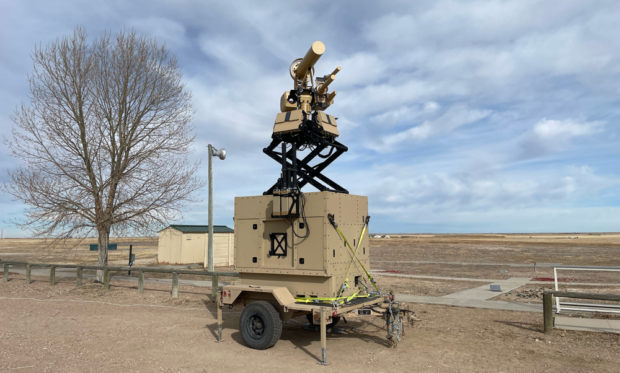
Liteye Systems, based in Denver Colorado, has announced the delivery of the first SHIELD system to the US Army (RCCTO) HEL (High energy laser) effort. Continue reading
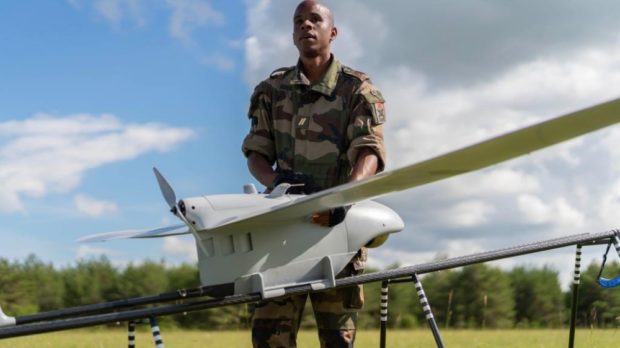
The Thales Spy’Ranger 330 in service with the French Army as part of the SMDR programme has obtained its first type certification by the French defence procurement agency’s airworthiness authority, testifying to the system’s proven performance in combat situations. Continue reading

vHive, a software solution that enables enterprises to deploy autonomous drone hives to create Digital Twins of their assets, announced that it has secured $25 million in Series B funding. Continue reading
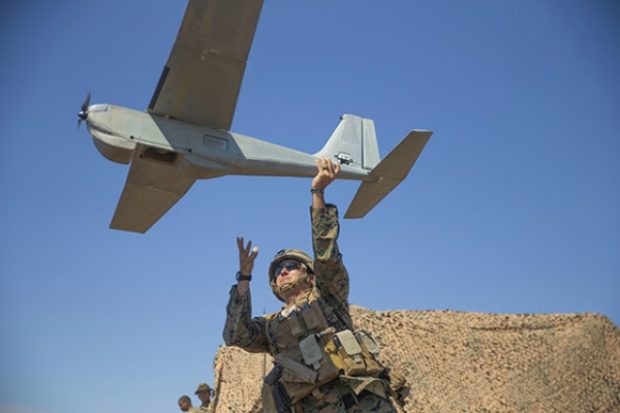
AeroVironment Inc., Simi Valley, California, was awarded a $19,737,523 firm-fixed-price contract for RQ-20 Puma AE systems, reconnaissance surveillance and target acquisition kits, initial spares package, contractor logistics support and new equipment training for the country of Ukraine. Continue reading

Following the partial collapse of a Boston-area parking garage onto subway tunnels, Massachusetts Bay Transportation Authority officials used a drone to conduct preliminary inspections on two subway lines before sending in a team of structural engineers. Continue reading
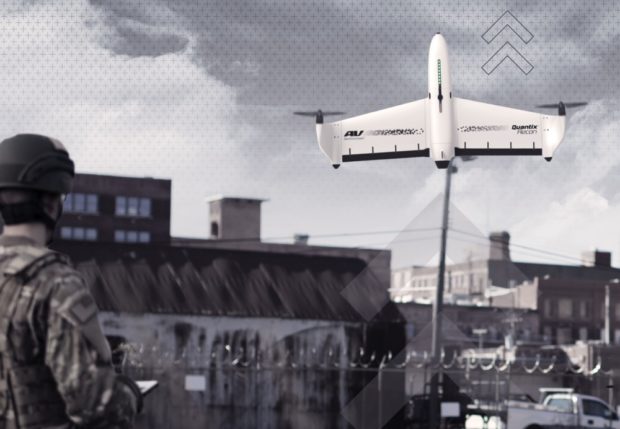
AeroVironment, Inc. has announced that it will donate more than 100 Quantix Recon unmanned aircraft systems (UAS) and operational training services to the Ministry of Defence of Ukraine and territorial forces amid the ongoing war against Russia. Continue reading