
The San Diego Wind Tunnel has been used to develop technologies in aerospace and Olympic sports for more than six decades. Two local companies, Aerial Mob and 3D Robotics recently used it to test their unmanned aerial vehicles. Continue reading
Lockheed L-1049 Super Constellation
The Lockheed L-1049 Super Constellation is an American aircraft, a member of the Lockheed Constellation aircraft line. The L-1049 was Lockheed’s response to the successful Douglas DC-6 airliner, first flying in 1950. The aircraft was also produced for both the United States Navy and Air Force as transport and AWACS aircraft. Continue reading
Amazon May Test UAS Deliveries in India
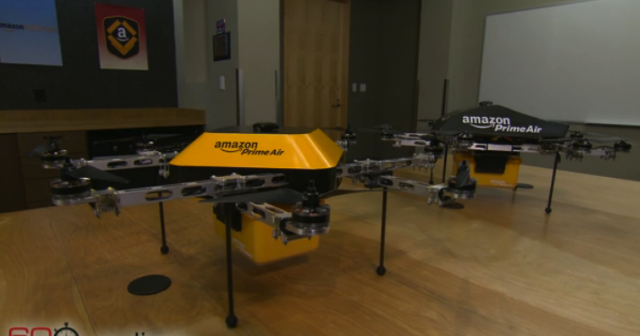 India, not US, will be the launch-pad for Amazon’s plan to deliver packages using drones, or unmanned aerial vehicles, according to two people aware of the development. The US-based e-tailer will debut its drone delivery service with trials in Mumbai and Bangalore, cities where it has warehouses, the sources said on condition of anonymity.
First BLOS Flight at Spanish Test Centre
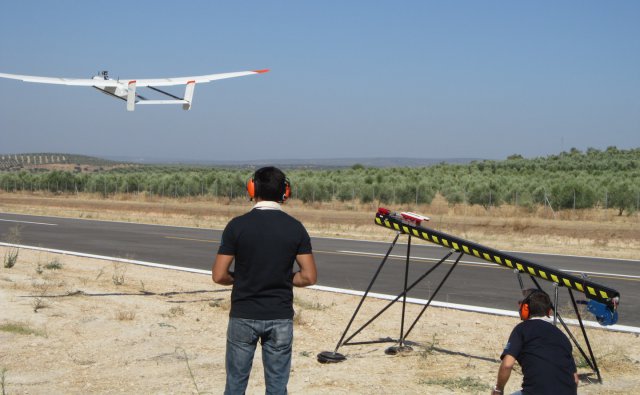 Spain’s Air Traffic Laboratory for Advanced Systems (Atlas) experimental test centre on August 20 hosted the first flight of a remotely piloted aircraft system (RPAS) beyond visual line of sight since new rules governing RPAS entered force in that country. Pilots with the Centre for Advanced Aerospace Technologies flew the Viewer aircraft, a 33-pound mtow electric airplane, more than 8 km (4.9 miles) from the center’s facilities in Villacarrillo and up to 3,300 feet above sea level.
Malloy Aeronautics Hoverbike on Kickstarter
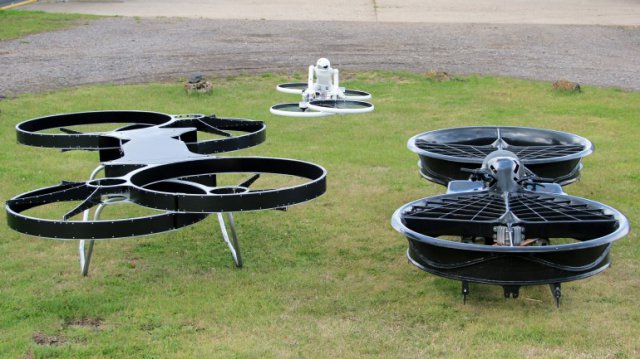 An interesting Kickstarter project aims to jump-start sales of a drone version of a fully-functional hover bike. The quadcopter drone acts as a proof of concept for the full-sized manned vehicle, with proceeds from the crowdfunding effort intended to fuel the continued development of the final vehicle. With more than a week remaining before the Kickstarter campaign concludes, its funding goal has been exceeded and development is moving forward at pace. Though the manned Hoverbike is what tends to garner the most attention, the one third scale drones are actually the focus of the Kickstarter effort.
Indian UAS for Border Patrol
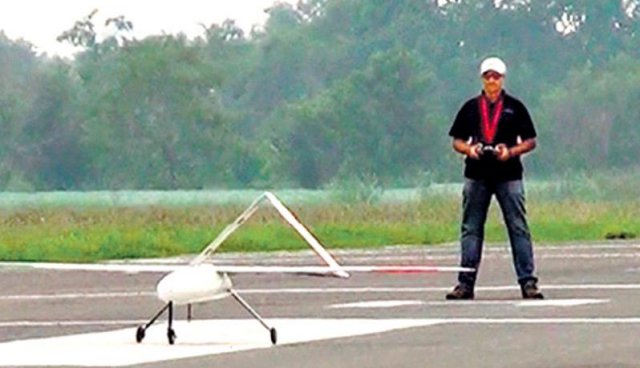
Researchers at the Indian Institute of Technology Kanpur have developed India’s first low-altitude long-endurance unmanned aerial vehicle (UAV) that could be used for anything from patrolling the border to traffic and crowd monitoring. The aircraft, called P1, is commanded by a computer pilot on the ground. It can fly for more than 10 hours continuously at an altitude of up to 5,000ft and has a wide operating radius of 150km. Continue reading
Ukraine Deploys Domestic UAS to Donetsk and Luhansk
The Ukrainian defence industry has developed a UAS codenamed Dnieper 1, Ukrainian media said on Wednesday. Research and development was funded by businessmen who donated their money to the Homeland Defence Fund reporting to the administration of the Dnipropetrovsk region, run by oligarch Ihor Kolomoyskyi. Continue reading
Russian Troops Train on UAS in Armenia
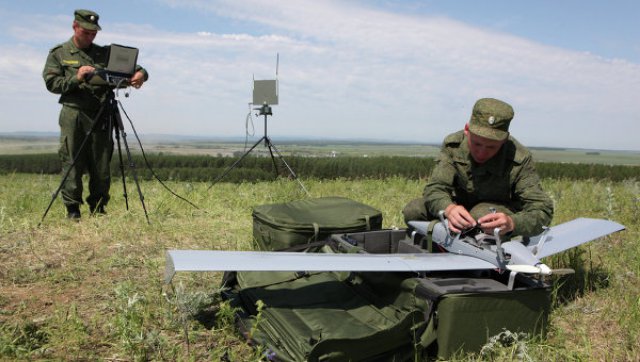
Over 100 Russian military personnel based in Armenia will receive unmanned aircraft control skills during a three-day field training exercise, Russia’s Southern Military District said in a press release.The exercises have started at Kamhud and Alagyaz alpine training centres in Armenia. Continue reading