
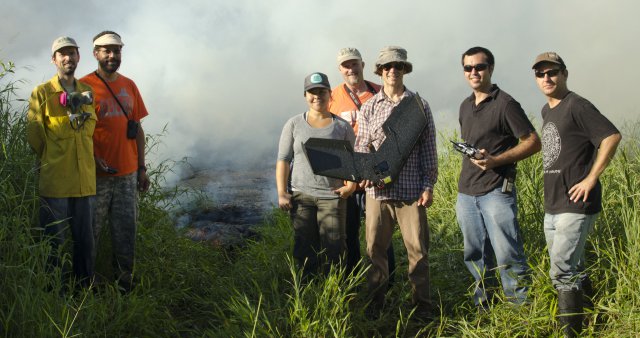
 Researchers from the University of Hawaiʻi at Hilo successfully mapped the active flow front of the June 27, 2014 Kilauea lava flow on Hawai‘i Island with an unmanned aerial vehicle (UAV) on October 22. In a collaborative partnership with Hawai‘i County Civil Defense and the U.S. Geological Survey Hawaiian Volcano Observatory, the flight team from the UH Hilo Spatial Data Analysis and Visualization (SDAV) Laboratory used a Sensefly SwingletCAM with a visible camera to collect high resolution stills later merged into a mosaic for use by Civil Defense emergency planners.
Airbus & DCNS to Develop Ship-Based Tanan
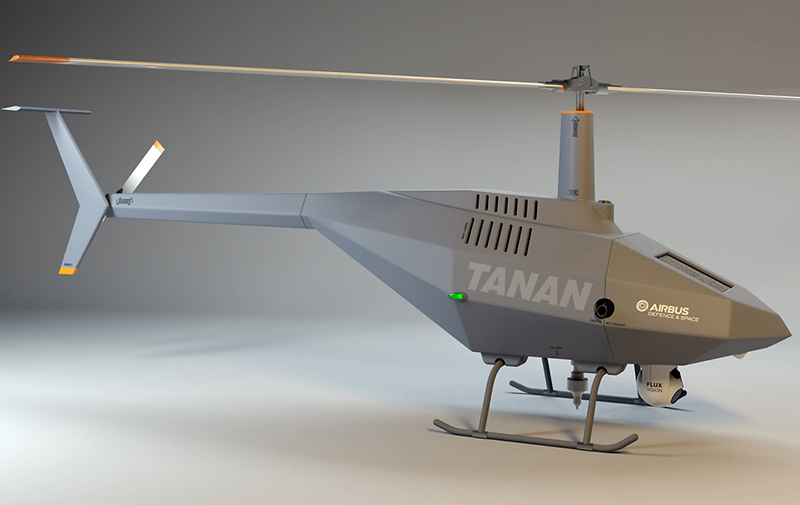
Airbus Defence and Space and DCNS have signed a cooperation agreement to develop a ship-based variant of Airbus DS TANAN unmanned helicopter Unmanned Aerial System. TANAN has been developed to address the naval sector’s specific requirements for an aircraft that would offer efficient integration onto all types of armed vessels. Continue reading
New Digital Extreme Low-Light CMOS Camera
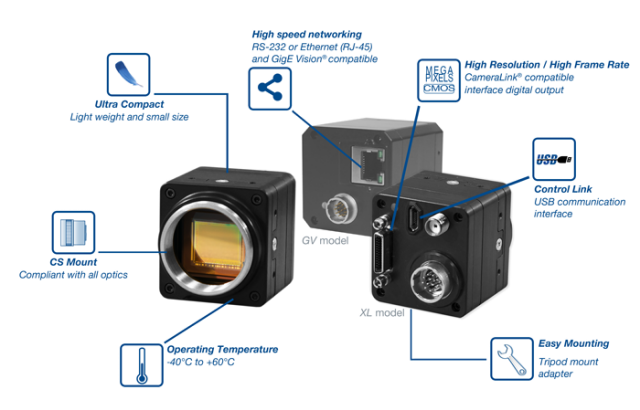 High resolution imaging is the key factor in UAV/UAS missions. Most of the currently available high resolution imaging systems, however are not well suited for support missions owing to their poor light response. In order to address this technical concern, PHOTONIS has developed a day-through-night CMOS imaging camera – Nocturn for SWaP requirements of support missions. This camera is useful for long-range identification of targets in both day and night conditions.
Drones Spotted Over French Nuclear Plants
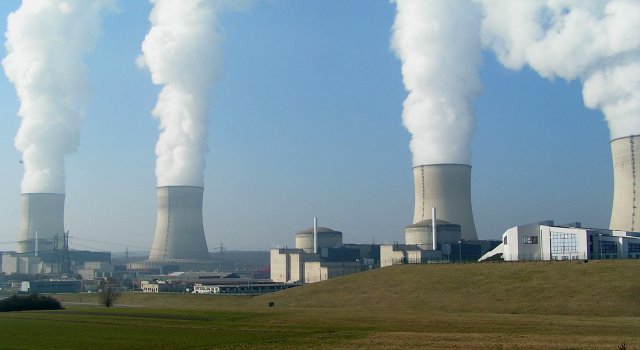 Reports of unidentified drones flying over seven French nuclear plants this month are being investigated, France’s interior minister said.
Danish Sniffer UAS Monitors Maritime Sulphur Emissions
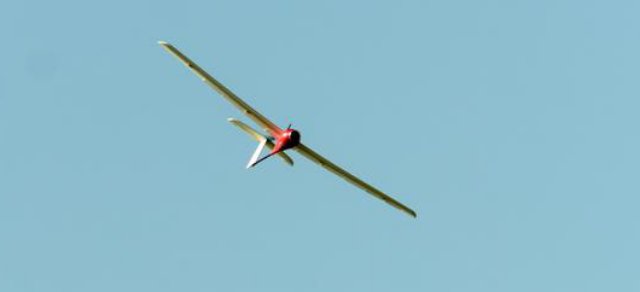
Denmark’s Explicit has receive recognition and extra funding for its “sniffer” UAS, produced to monitor sulphur emissions from ships. The company was one of only ten finalists at the 2014 Ocean Exchange innovation contest in Savannah, Georgia. Continue reading
World’s First QuadCopter
In 1927 George de Bothezat told Popular Science that helicopters were “exactly where the airplane stood after the first few flights of the Wright Brothers.” What he means is that helicopters had, indeed, flown. Bothezat himself had built one that lifted off the ground while carrying the weight of four people. They just hadn’t flown well. Continue reading
Insitu Announces ScanEagle 2
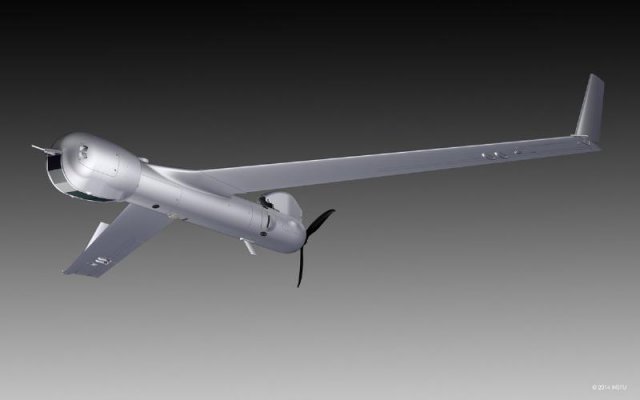 Insitu has announced ScanEagle 2, the next generation of its revolutionary ScanEagle platform. Leveraging lessons learned from more than 800,000 operational hours, ScanEagle 2 provides increased payload power and expanded payload options, a more robust navigation system, better image quality due to a fully digital video system and a state-of-the-art, purpose-built propulsion system. The aircraft’s new architecture also maximizes commonality with all Insitu systems, reducing training, hardware and life-cycle costs.
Drones Monitor Pollution in Beijing Before Apec Summit
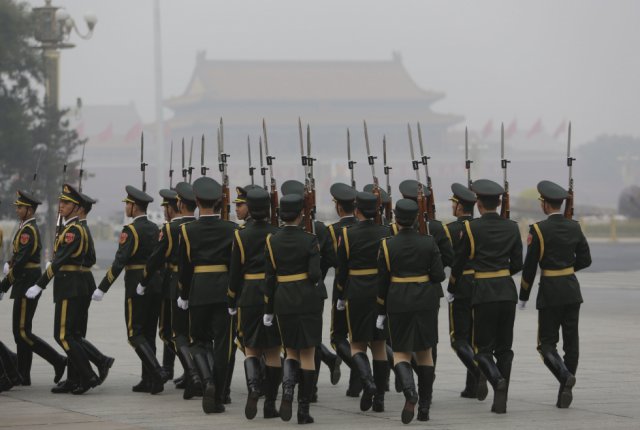 The Chinese Ministry of Environmental Protection has sent out 11 drones to monitor air pollution in north China ahead of the Apec summit next month in Beijing, the China Youth Daily reported.