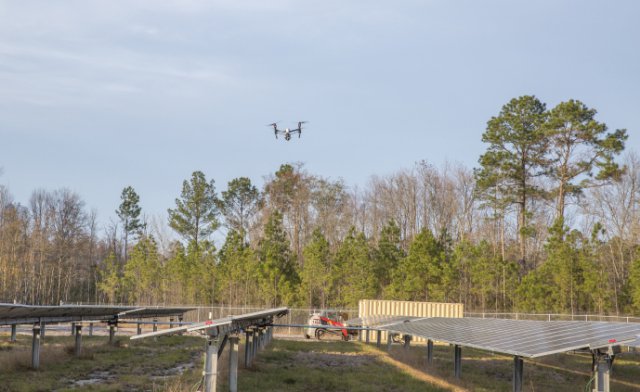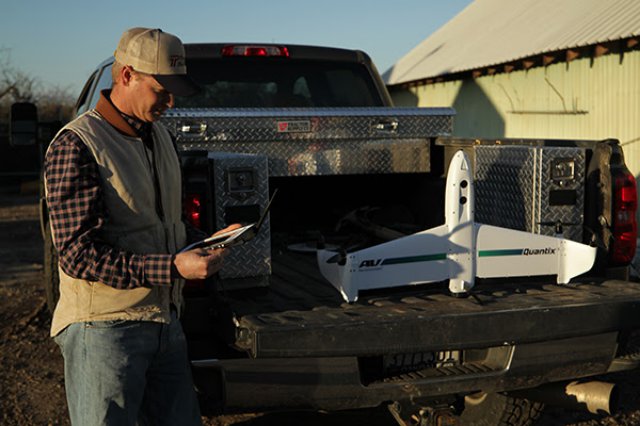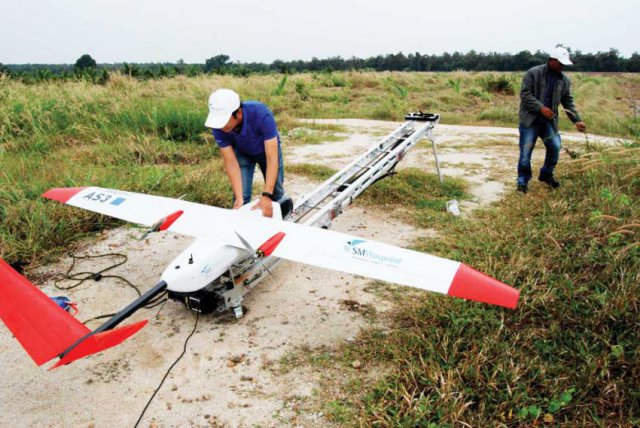
After the technician’s countdown, “moi, pi, bai”, an AS-III fixed-wing drone launches off a catapult into the air, ascending rapidly at 25 metres per second until it is high above the Cambodian countryside. The drone, equipped with a special camera capable of detecting what the human eye cannot see, surveys the crops below, assessing the health of vegetation while charting the precise layout of the terrain. Continue reading

 A new study from The Auk: Ornithological Advances tests this new approach to wildlife monitoring and concludes that despite some drawbacks, the method has the potential to become an important tool for ecologists and land managers.
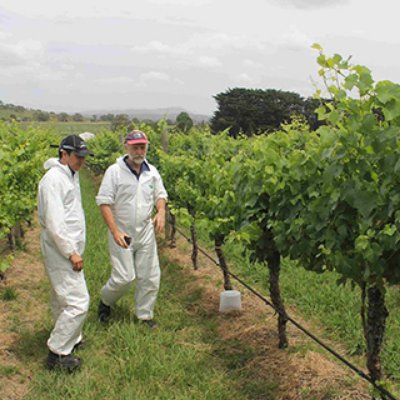 Leading scientists from Australia and the US have formed a partnership to research the role remote sensing and Unmanned Aerial Vehicles (UAVs) could play in improving surveillance capabilities for plant pests.