NATO UAS Sense and Avoid Standard Announcement

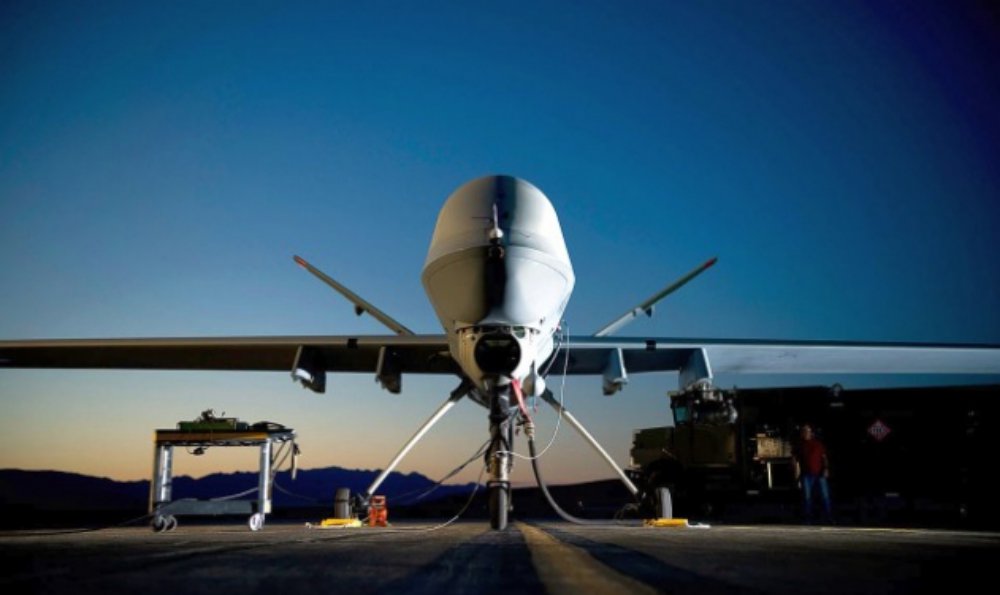
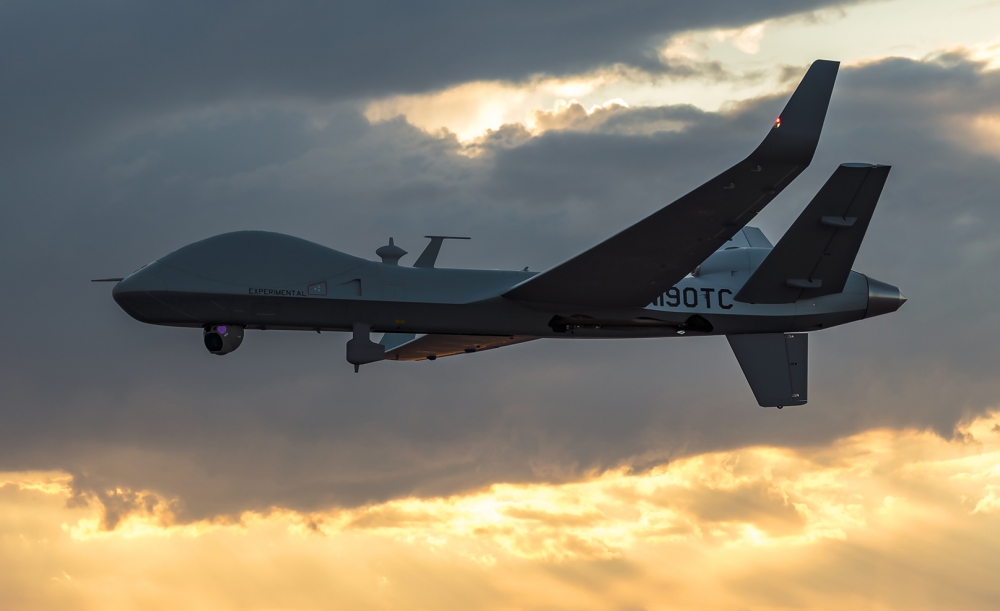
NATO has approved its first standard for UAS Sense and Avoid: “Guidance on Sense and Avoid for Unmanned Aircraft Systems”, STANREC 4811/AEP-101. The aim of this NATO standard is to provide recommended practices regarding the development of sense and avoid systems that will enable the operation of unmanned aircraft systems in nonsegregated airspace and across borders. Continue reading

Innovative Drone Mapping Techniques Help Manage Oil and Gas Facilities in Australia

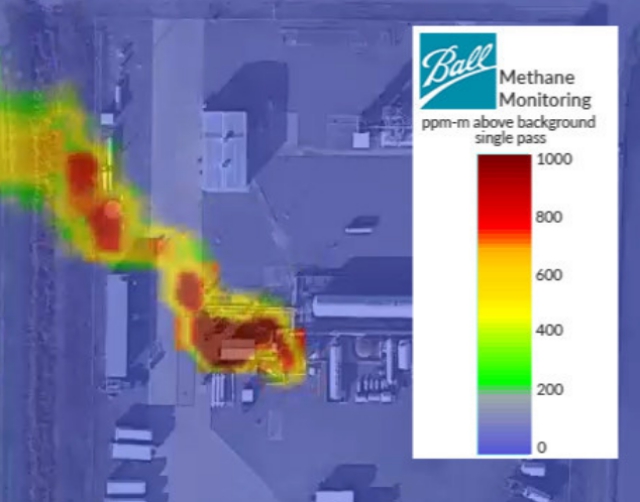
Aerial modelling and inspections using commercial-grade drones offer compelling advantages for the resource sector by increasing safety, saving time and reducing survey costs. Airscope, a Perth-based inspections and asset visualisation company, has used the Intel Falcon 8+  to extend these benefits further by developing computer-generated 3D models of entire hydrocarbon processing facilities off the North West shelf of Australia and in the Cooper Basin, effectively bringing the field into the boardroom for more effective asset management. Continue reading

Kittyhawk’s Enhanced Security and Visibility Features

Kittyhawk, a supplier of commercial drone operations software, has announced a comprehensive set of new features for its best-in-class platform. Kittyhawk is introducing secure multi-party, multi-channel video and audio streaming, native UAS Facility Maps, new notification and telemetry sharing options with a focus on enhanced security and visibility. Continue reading

AirShare’s Missile Countermeasure Against UAS

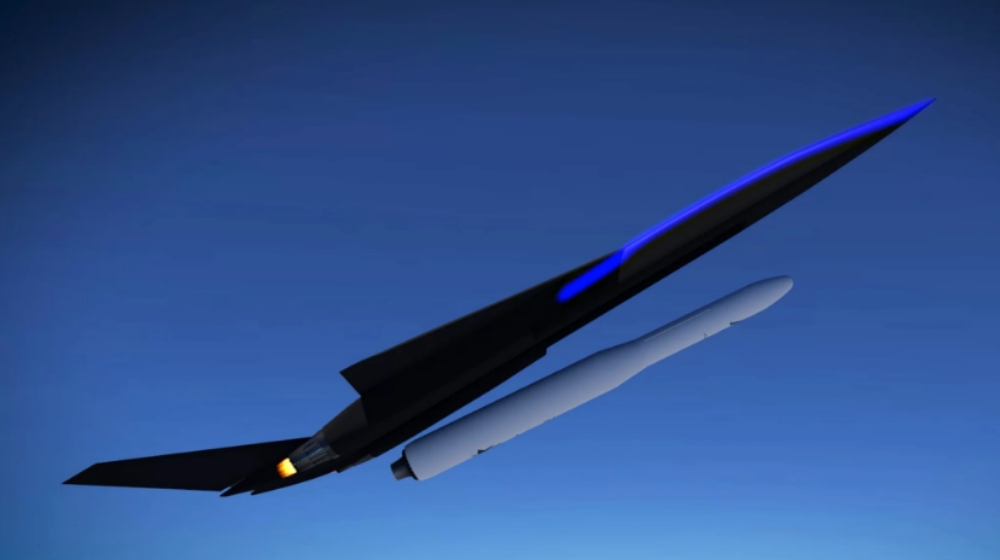
At UMEX 2018, the International Unmanned Systems exhibition in Abu Dhabi, AirShare presented its Overwatch Interceptor-UX, a new solution to counter UAV using a surface-to-air missile able to create high-persistence countermeasure cloud. AirShare is Canadian-based Company with offices in Canada and the United States established to protect critical infrastructure and people from wayward and malicious UAVs (“drones”). Continue reading

Cross an Airplane With a Submarine

Bryant, Weisler and Stewart (from left to right), with a prototype of the EagleRay

Researchers from North Carolina State University have developed an unmanned, fixed-wing aircraft that is capable of traveling both through the air and under the water – transitioning repeatedly between sky and sea. The EagleRay XAV, which was developed with funding and assistance from Teledyne Scientific, holds promise for use in applications such as tracking and observing wildlife. Continue reading