
Russia’s Kalashnikov drone is about to be rolled-out across the military after “successfully completing” trials. Continue reading
Hoverfly Joins Persistent System’s Wave Relay Ecosystem
Persistent Systems, LLC announced that it has entered into a five-year agreement with Hoverfly Technologies Inc.. Hoverfly will be joining the Wave Relay Ecosystem, an alliance of unmanned system and sensor companies that integrate the Wave Relay mobile ad hoc network (MANET) into their products. Continue reading
Serbian Mini Aleks at IDEX
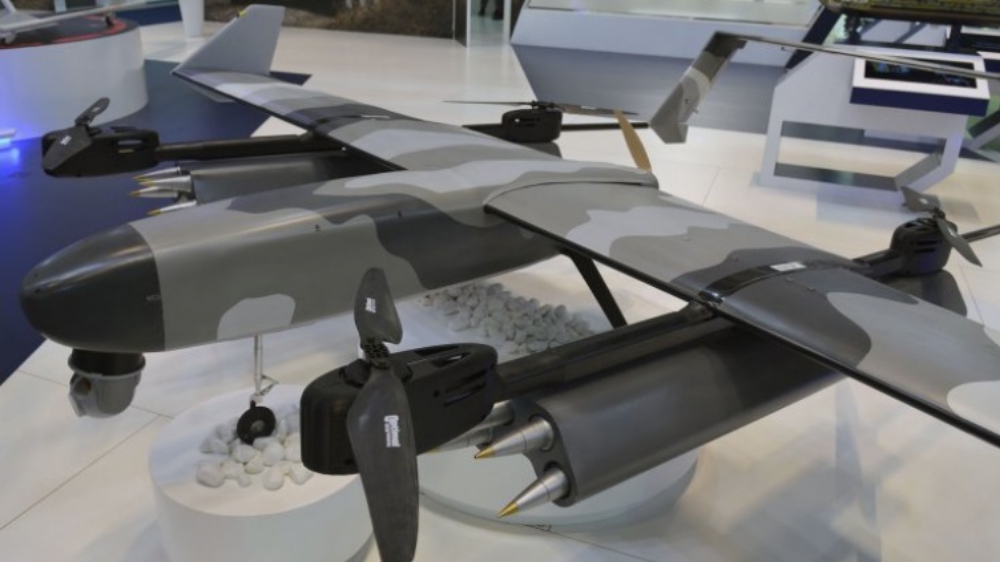
The Mini Aleks vertical take-off and landing unmanned aerial vehicle (UAV) developed by Serbia’s Engine Development & Production (EDePro) is set to make its first public flight during an exhibition that will be held in Belgrade in July, Jane’s was told during the IDEX show held in Abu Dhabi from 17-21 February. Continue reading
NATO and Canada bid for Mothballed German EuroHawk
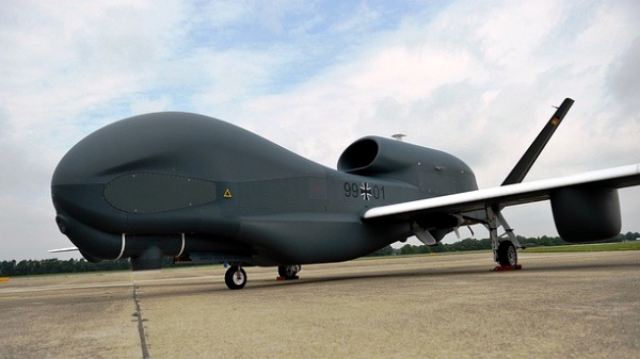
The German Defence Ministry is evaluating a bid from Canada to buy a high-altitude surveillance drone prototype that has been parked at a German air base for years after the cancellation of the Euro Hawk programme in 2013. Continue reading
Cyient – BlueBird JV Launches WanderB VTOL
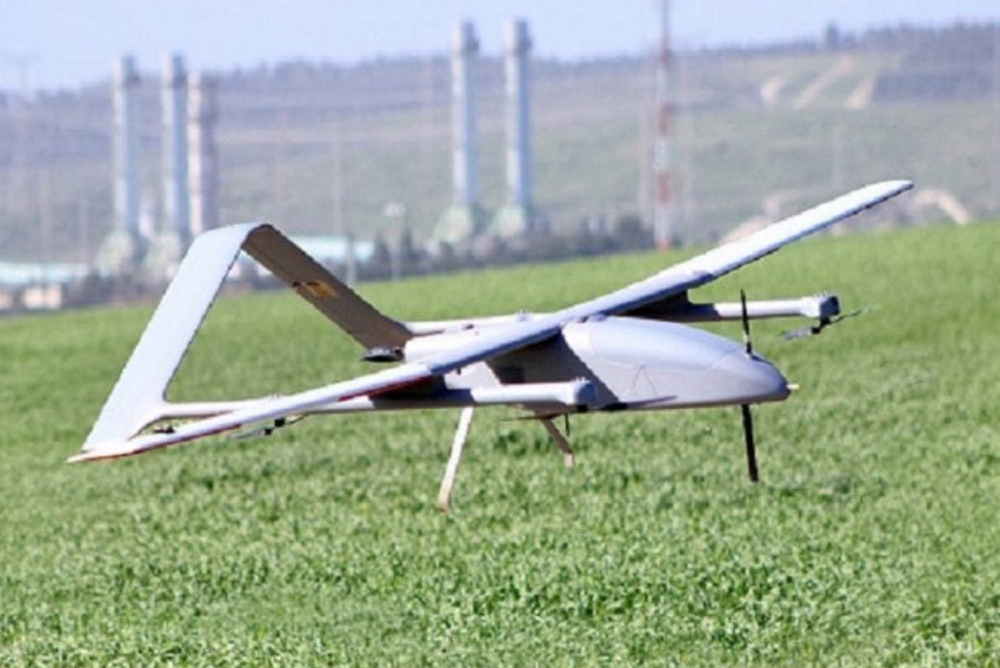
Cyient Solutions & Systems Pvt. Ltd. (CSS), a joint venture between Cyient Ltd. and BlueBird Aero Systems, Israel, has launched its latest offering, the WanderB Vertical Take-Off & Landing (VTOL) Unmanned Aerial System. Continue reading
NASA Tests Experimental Wing for Maximized Efficiency
An experimental, high-aspect ratio wing, designed to reduce weight and maximize structural and fuel efficiency, underwent structural tests at NASA Armstrong Flight Research Center’s Flight Loads Laboratory. Continue reading
NASA to Test Drone UTM in Nevada and Texas

NASA has selected two organizations to host the final phase of its four-year series of increasingly complicated technical demonstrations involving small Unmanned Aircraft Systems (UAS), commonly known as drones. Continue reading
Dassault Systèmes Partners with General Aeronautics in India
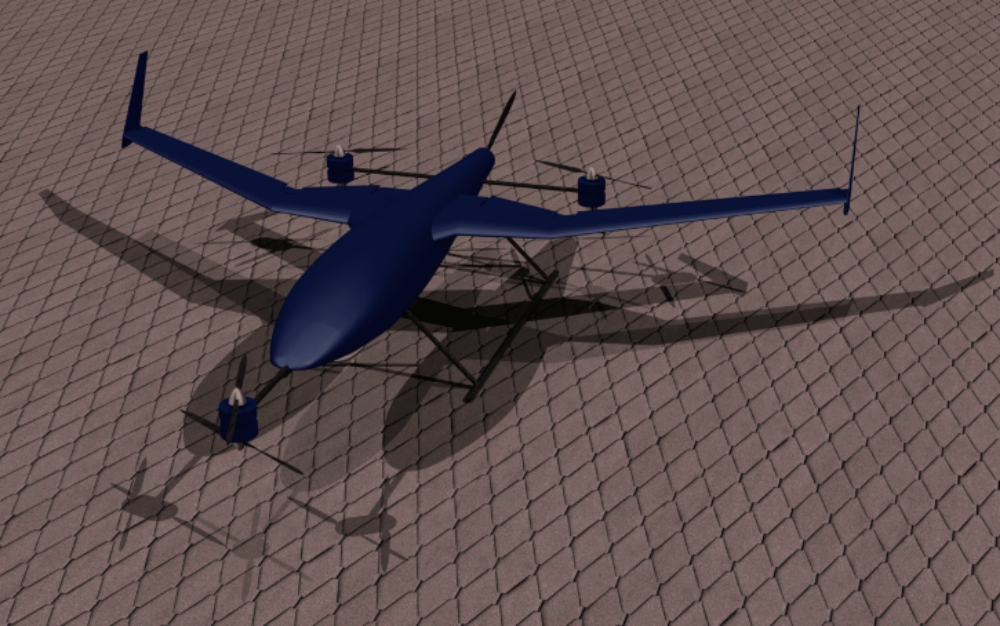
Dassault Systèmes announced at Aero India 2019, that Bengaluru based integrated aircraft design and engineering services company, General Aeronautics has deployed the 3DEXPERIENCE platform on cloud to develop next-generation design Unmanned Aerial Vehicle (UAV). Continue reading