
MIT Media Labs has made sensor deployment as easy as unraveling a strip of tape from your toolkit. They’ve developed SensorTape, an unroll-able, deployable network of interconnected IMU and proximity sensors packaged in a familiar form factor of a roll of masking tape. Continue reading
Category Archives: Research
Otis ANG Base Hosts Autonomous UAV Testing
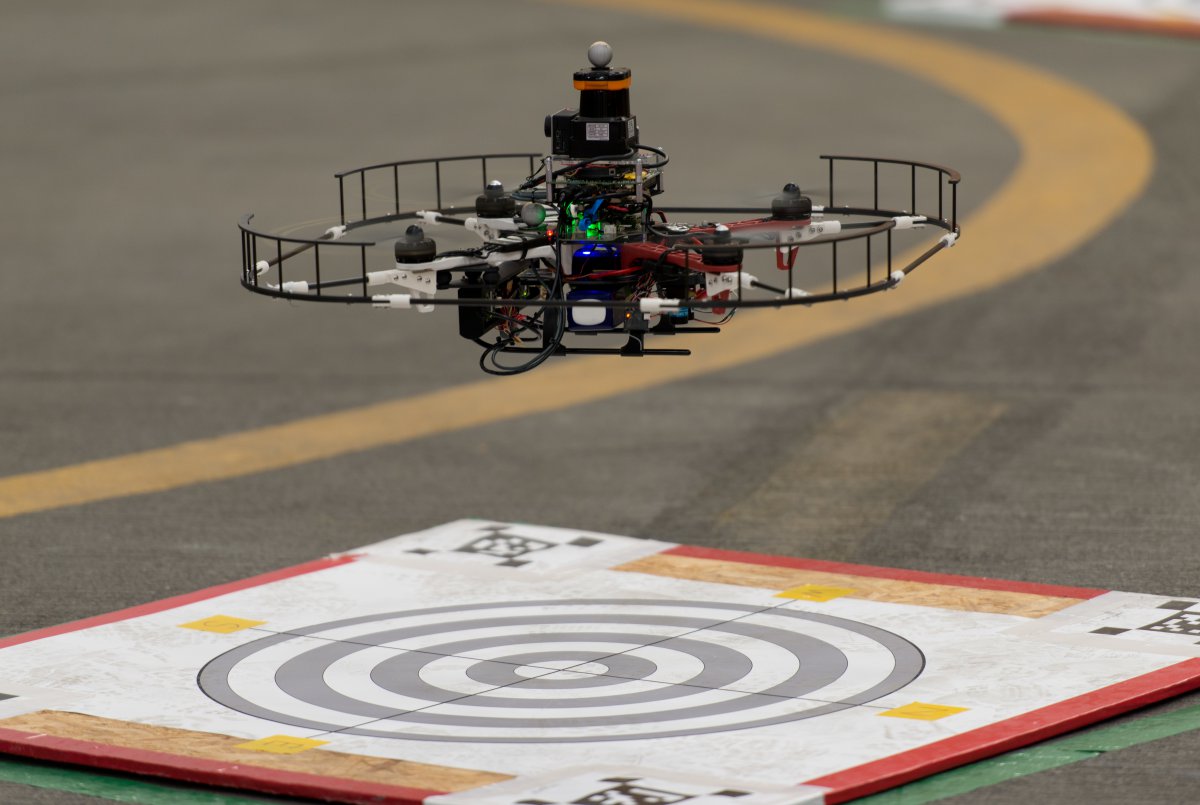
Things were all abuzz at the 102nd Intelligence Wing, Jan. 18-22. The wing hosted a team of robotics experts and support personnel from the Defense Advanced Research Projects Agency on the Building 158 hangar floor to test the capabilities of the latest autonomous UAVs and sensors as part of its Fast Lightweight Autonomy program. Continue reading
US Army Selects 3-D Printed UAS Concept for Future Experiment
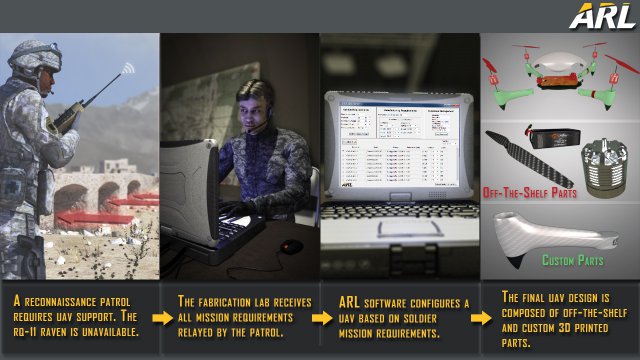
Each year, the U.S. Army conducts a series of technology demonstrations known as the Army Expeditionary Warrior Experiments, or AEWE. The event is the U.S. Army Training and Doctrine Command’s live, force-on-force experiment. AEWE places technologies under development by industry and Army researchers into the hands of Soldiers for early and credible feedback from the end-user. Continue reading
NOAA’s Drones Document Gray Seal Pups
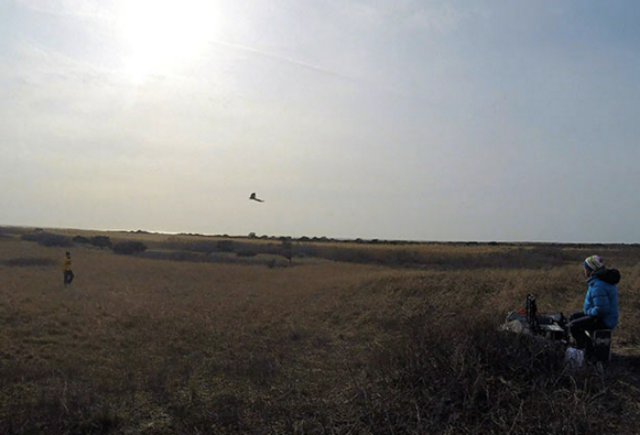 For several days this month, scientists are gathering in the largest gray seal pupping area in U.S. waters to study weaned gray seal pups, aided by images from an airplane and unmanned aircraft systems (UAS), commonly called drones. The researchers hope to gather data from these sites and other breeding sites in Maine to move a step closer to answering a nagging question – how many gray seals are there in Northeastern waters? – and expand their studies on the health of the animals.
UAS Project to Increase Snowpack in Nevada Mountains
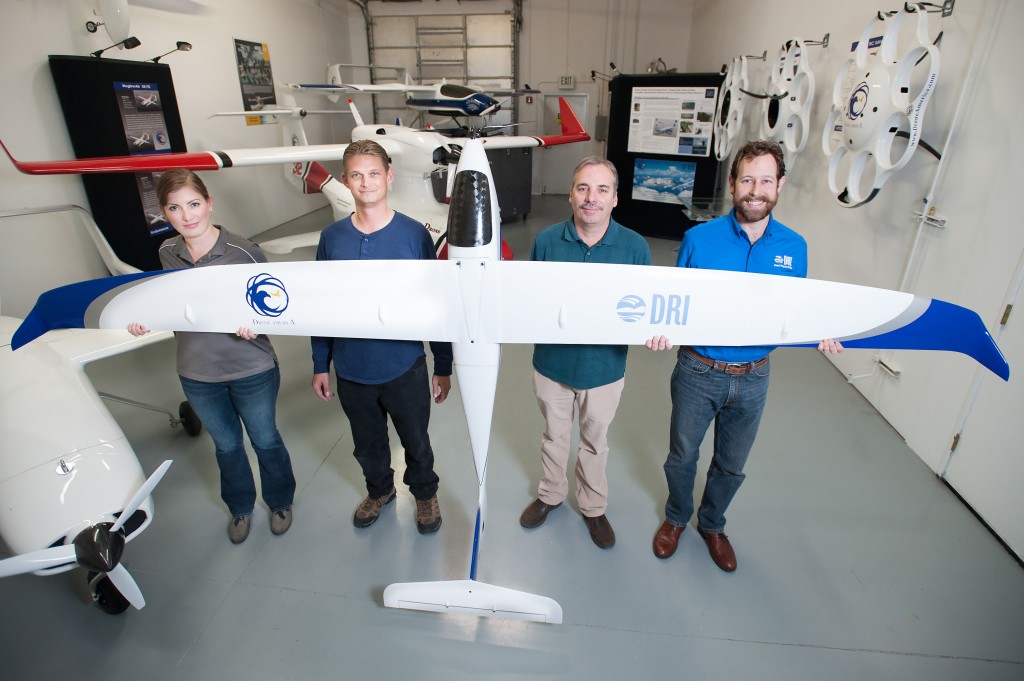
A new industry-academic research partnership will bring together Nevada’s top atmospheric scientists and leading unmanned aircraft systems (UAS) engineers, designers, and data experts to develop and test innovative applications focused on increasing snowpack depths in the Lake Tahoe region.
360 Video of NASA Greased Lightning GL-10 in Flight
NASA has just released this 360 degree video of the battery powered, 10-propeller GL-10 Greased Lightning in flight. This is the same video that they show on virtual reality headsets at some conferences. It can be viewed in 360 on many devices. Continue reading
NASA/NOAA Partner to Collect Data on El Niño Storms
Meteorologist Mike Boyce ventured out to Edwards Air Force base to attend a news conference that explores the NASA/NOAA partnership in studying El Nino weather patterns in the Eastern Pacific. Mission scientists and staff were present to tour the flight mission control center and the unmanned Global Hawk Aircraft. Continue reading
Solid Hydrogen Powered UAV Completes First Flight
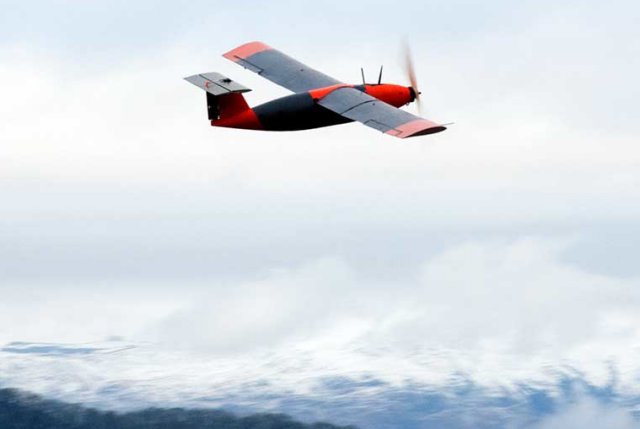 Cella Energy’s hydrogen-fuelled battery replacement system has successfully powered an unmanned aerial vehicle, replacing lithium-ion batteries with a safer and higher performance technology based on hydrogen storage.