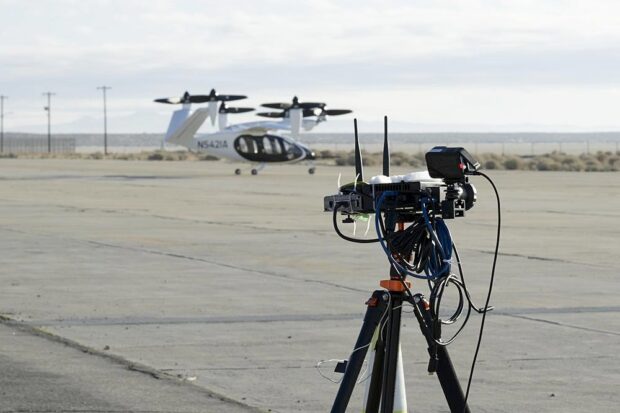
NASA engineers began using a network of ground sensors in March to collect data from an experimental air taxi to evaluate how to safely integrate such vehicles into airspace above cities – in all kinds of weather. Researchers will use the campaign to help improve tools to assist with collision avoidance and landing operations and ensure safe and efficient air taxi operations in various weather conditions. Continue reading
Category Archives: Research
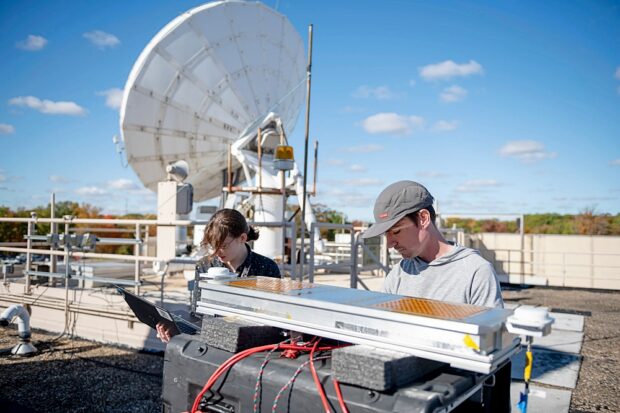
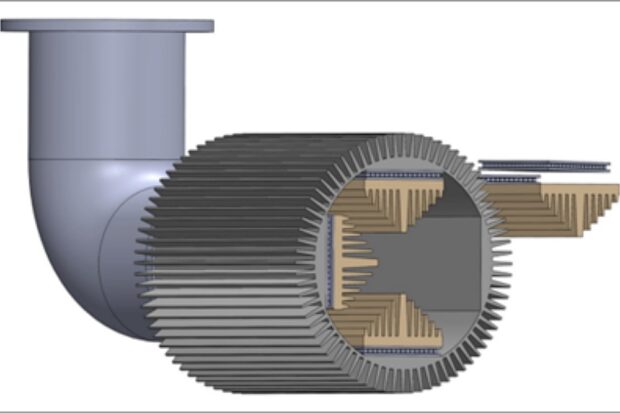
NASA Tests Ultralight Antennas
– NASA engineers are using one of the world’s lightest solid materials to construct an antenna that could be embedded into the skin of an aircraft, creating a more aerodynamic and reliable communication solution for drones and other future air transportation options. Continue reading
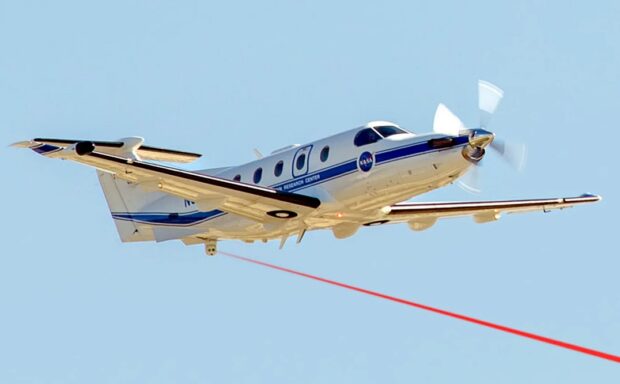
NASA’s Airborne Laser Communication Testbed
The Airborne Laser Communication Testbed (ALCT) is a research platform in high-data-rate communication systems designed to complement existing aeronautical radio frequency (RF) communications. Continue reading
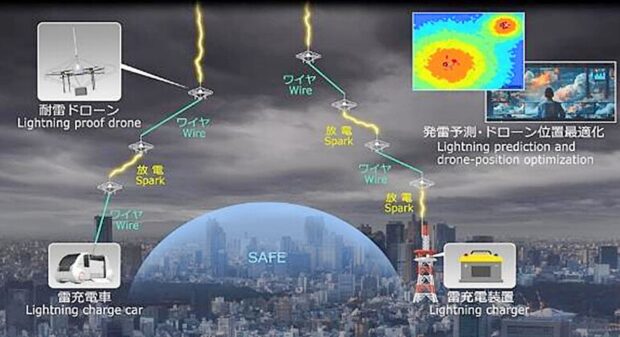
World’s First Drone System for Fighting Lightning to Protect Infrastructures
– Nippon Telegraph and Telephone Corporation has succeeded in the world’s first experiment to induce and guide lightning using a drone, demonstrating the effectiveness of drone lightning resistance technology and lightning induction technology using electric field fluctuations with actual lightning. Continue reading
NASA Makes Progress on Advanced Drone Safety Management System
– NASA is testing a new software system to create an improved warning system – one that can predict hazards to drones before they occur. The In-Time Aviation Safety Management System (IASMS) will monitor, assess, and mitigate airborne risks in real time. Continue reading
No Way Out for Ions: Continental Introduces Solution for One of the Greatest Hydrogen Challenges
– Continental has developed a line for cooling in the hydrogen powertrain of commercial vehicles, which considerably reduces the penetration of ions into the media circuit. The synthetic rubber line has a mixture of materials whose special properties make them less susceptible to the leaching of ions from the line material. Continue reading
Turning Car and Helicopter Exhaust into Thermoelectric Energy
Combustion engines, the engines in gas-powered cars, only use a quarter of the fuel’s potential energy while the rest is lost as heat through exhaust. Now, a study published in ACS Applied Materials & Interfaces demonstrates how to convert exhaust heat into electricity. The researchers present a prototype thermoelectric generator system that could reduce fuel consumption and carbon dioxide emissions — an opportunity for improving sustainable energy initiatives in a rapidly changing world. Continue reading
MIT Swarms of Tiny Robotic Insect Drones Could Aid in Mechanical Pollination
With a more efficient method for artificial pollination, farmers in the future could grow fruits and vegetables inside multilevel warehouses, boosting yields while mitigating some of agriculture’s harmful impacts on the environment. To help make this idea a reality, MIT researchers are developing robotic insects that could someday swarm out of mechanical hives to rapidly perform precise pollination. However, even the best bug-sized robots are no match for natural pollinators like bees when it comes to endurance, speed, and maneuverability. Continue reading