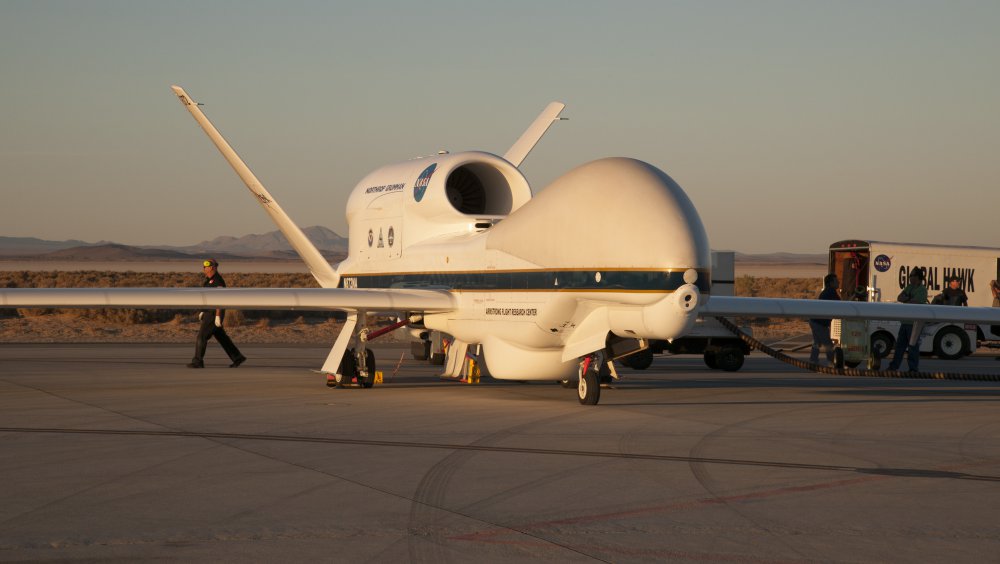
A group of NASA and National Oceanic Atmospheric Administration (NOAA) scientists are teaming up this month for an airborne mission focused on studying severe storm processes and intensification. The Hand-On Project Experience (HOPE) Eastern Pacific Origins and Characteristics of Hurricanes (EPOCH) field campaign will utilize NASA’s Global Hawk autonomous aircraft to study storms in the Northern Hemisphere to learn more about how storms intensify as they brew out over the ocean. Continue reading
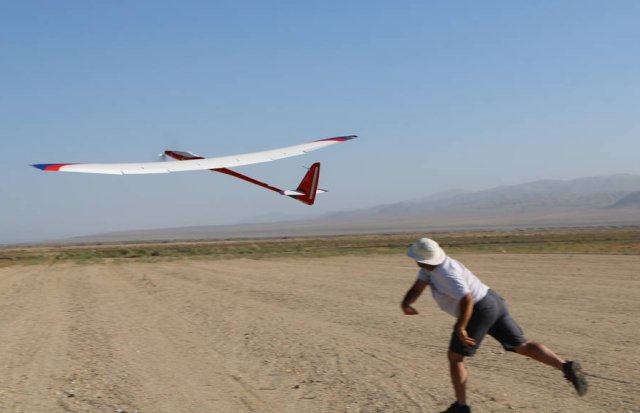
Category Archives: Research
Microsoft Tests Self-Flying Gliders in Rural Nevada
Microsoft is already thinking about self-flying airplanes. The tech giant tested such technology in Hawthorne, 130 miles south of Reno, last week with the help of the Governor’s Office of Economic Development and the Nevada Institute for Autonomous Systems. Continue reading
Airborne Computer Network Platform for UAVs
Yan Wan, an associate professor in UTA’s Department of Electrical Engineering, is the team lead on a three-year, $998,803 grant from the National Science Foundation that will develop a networked airborne computing platform for multiple unmanned aerial systems.
US Air Force Lab Tests High-Efficiency Engine for UAS
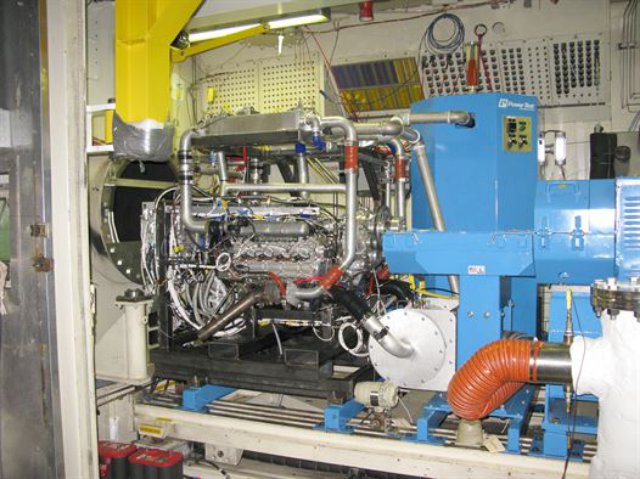
The US Air Force Research Laboratory Advanced Power Technology Office, along with Engineered Propulsion Systems and the Arnold Engineering and Development Center, recently concluded ground-based testing of an advanced diesel engine that promises to increase the utility and ease the logistics burden of military aircraft missions. Continue reading
Drone Lands on Walls Like a Bird
Designed by Createk Design Lab at the Université de Sherbrooke in Quebec,the Multimodal Autonomous Drone (S-MAD) can repeatedly perform autonomous landing and takeoffs from walls. Presented at Living Machines 2017, Stanford (Best Robotics Paper Award). Continue reading
UK Small RPAS Mid-Air Collision Study Published
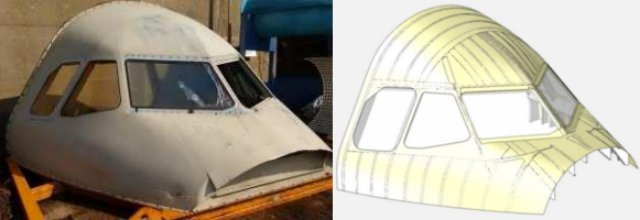
The Department for Transport, the Military Aviation Authority and British Airline Pilots’ Association commissioned a study into the effects of a mid-air collision between small remotely piloted aircraft systems (RPAS, commonly known as a drones) and manned aircraft. Continue reading
Precision Farming via Satellite Imaging
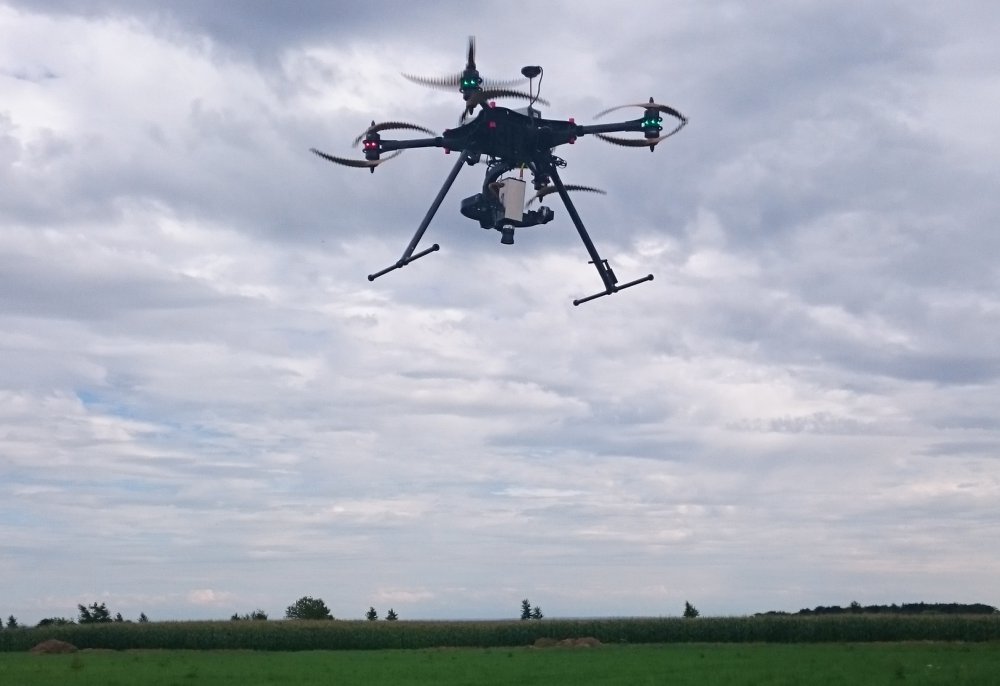
Precision farming is set to become even more precise with a new camera drawing on satellite imaging. Thanks to research with ESA on new cameras, hyper-spectral cameras flying on drones are now able to see details as small as 4–5 cm. Continue reading
US Army Seeks Shape-Changing Biomimetic Aircraft
U.S. Army wants aircraft that can change their physical shape to meet the requirements of a mission. The concept is called “biomimetics,” or designing equipment based on phenomena found in nature. For example, the Wright brothers were inspired to design their first airplane after observing birds in flight. Continue reading