
This market report is based on the Survey on Civil Drone Operations, conducted by Blyenburgh & Co, on behalf of UVS International, is now available. Continue reading

UAS VISION
an independent online news service for the Unmanned Aircraft Systems world
This market report is based on the Survey on Civil Drone Operations, conducted by Blyenburgh & Co, on behalf of UVS International, is now available. Continue reading
A team of researchers from Sydney have successfully powered an unmanned aircraft flight with a triple hybrid propulsion system featuring one of the cleanest energies on Earth – hydrogen. Continue reading
Norwegian scientists, currently on campaign in Finland, conduct their first autonomous landing with a model aircraft packed with weather sensors. This marks the next step in the process of automating meteorological data retrieval. Continue reading
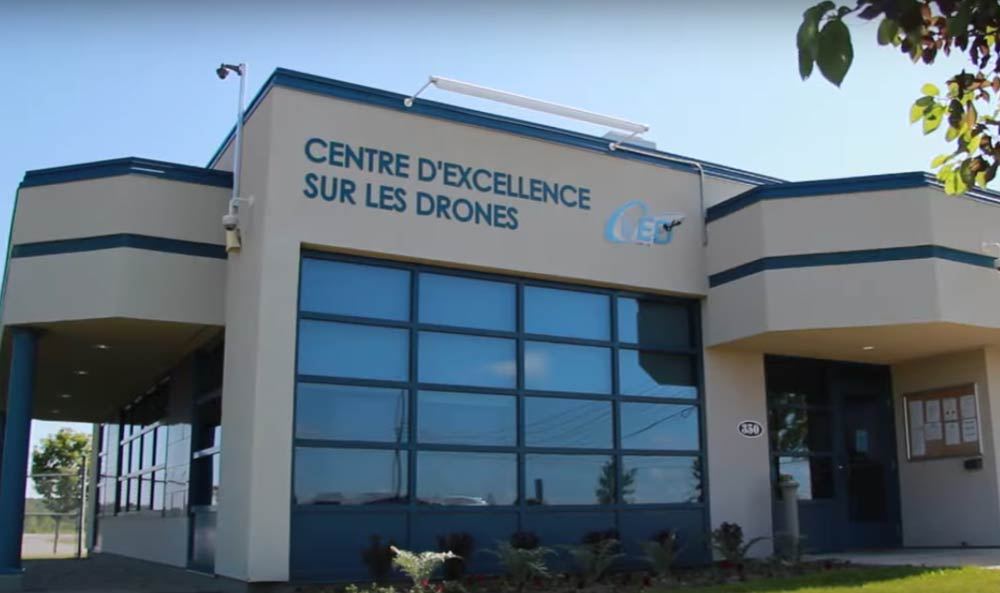
A Cluster of Excellence for drones will be created in the Lac-Saint-Jean region of Quebec by the leaders of the Unmanned Aerial System Centre of Excellence (UAS CE). Continue reading
NASA Armstrong Flight Research Center recently partnered with NASA Glenn Research Center to test an antenna measuring system in preparation for building a new conformal antenna aboard NASA’s Ikhana aircraft. Continue reading
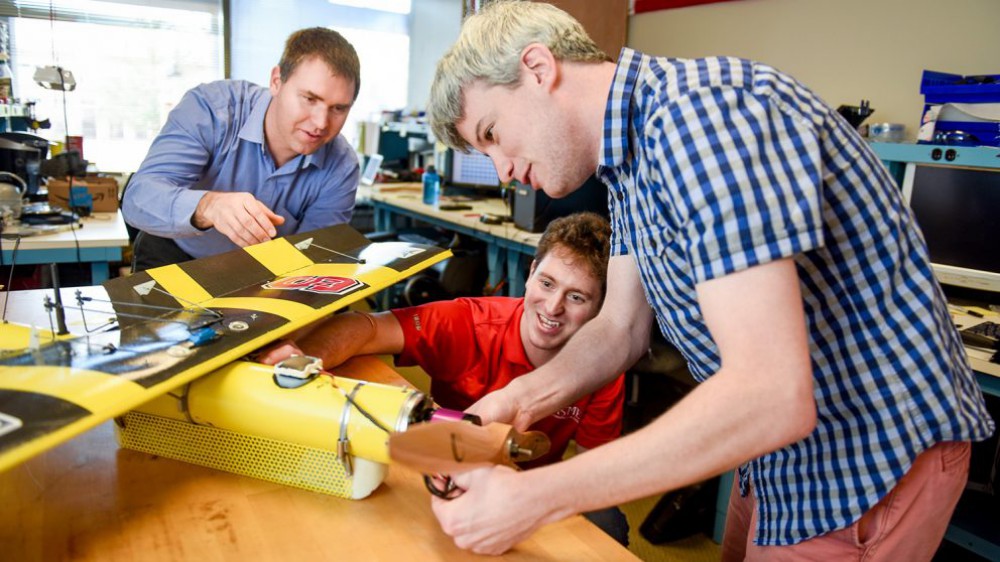
Bryant, Weisler and Stewart (from left to right), with a prototype of the EagleRay
Researchers from North Carolina State University have developed an unmanned, fixed-wing aircraft that is capable of traveling both through the air and under the water – transitioning repeatedly between sky and sea. The EagleRay XAV, which was developed with funding and assistance from Teledyne Scientific, holds promise for use in applications such as tracking and observing wildlife. Continue reading
Flying from the other side of Lake Lagunita at Stanford University, a quadcopter approaches a group of students, lands on the ground, deposits a box and zips away. Inside the box is a cupcake. Continue reading
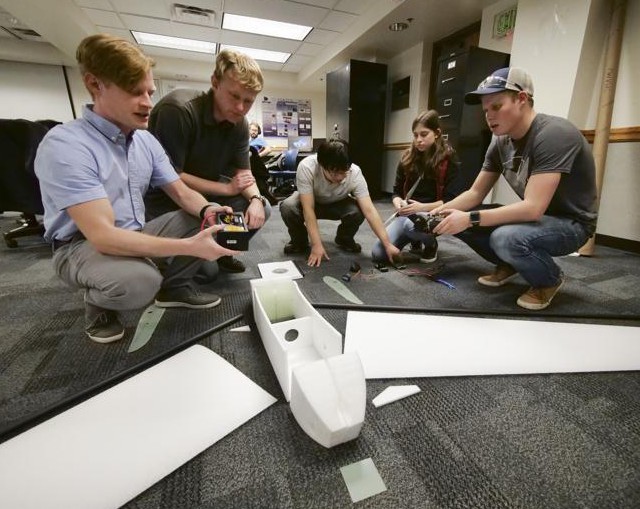
Student researchers at the University of Colorado are planning to add the study of sperm whale communication patterns to the fast-growing list of tasks that can be aided by drone technology. And they — the students, not the whales — could use the public’s help. Continue reading