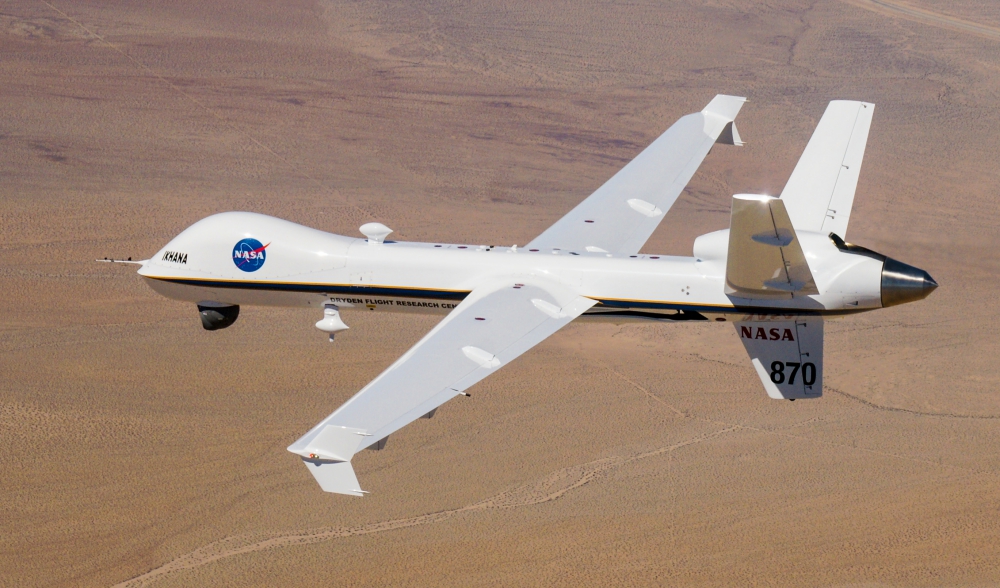
A Detect and Avoid (DAA) avionics system developed by General Atomics Aeronautical Systems, Inc. (GA‑ASI) was the key technology that enabled an unmanned aircraft flight through the National Airspace System (NAS) after taking off from southern California on Tuesday. Continue reading
Category Archives: Research
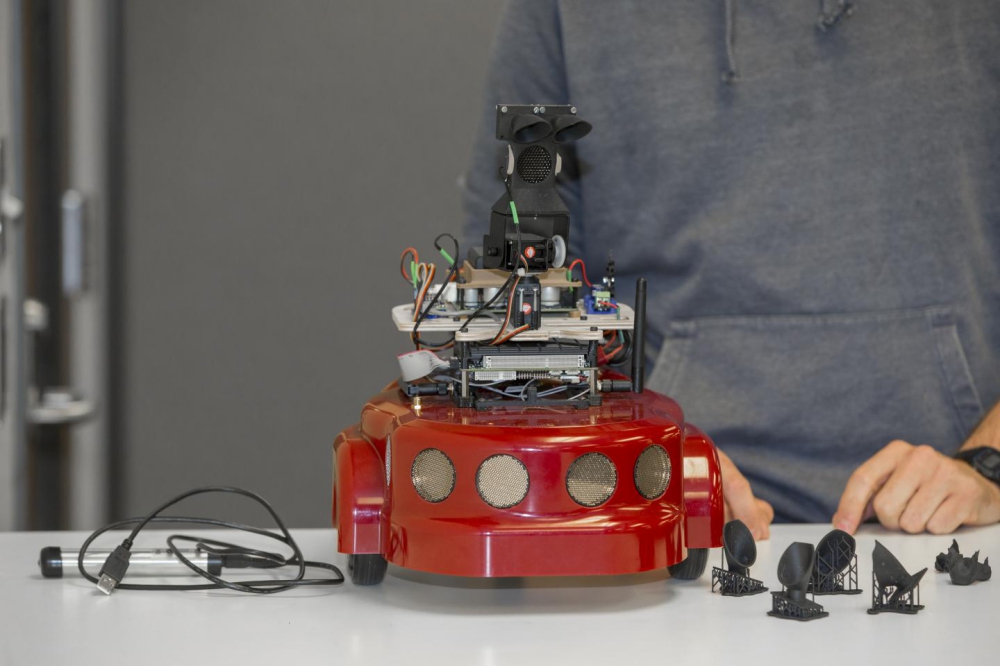
Biomimicry of Bats to Help Drones Navigate in Dark, Dust or Smoke
To get drones to fly around complicated obstacles in the dark by themselves, University of Cincinnati researchers are turning to the pros. Bats have evolved to use sound and echolocation to navigate and find food. Their sonar is so keen, in fact, that nectar-loving bats can “spot” their favourite flowers in pitch darkness using only sound. Continue reading
Real-Time Drone Surveillance System (DSS) for Violent Individuals Identification
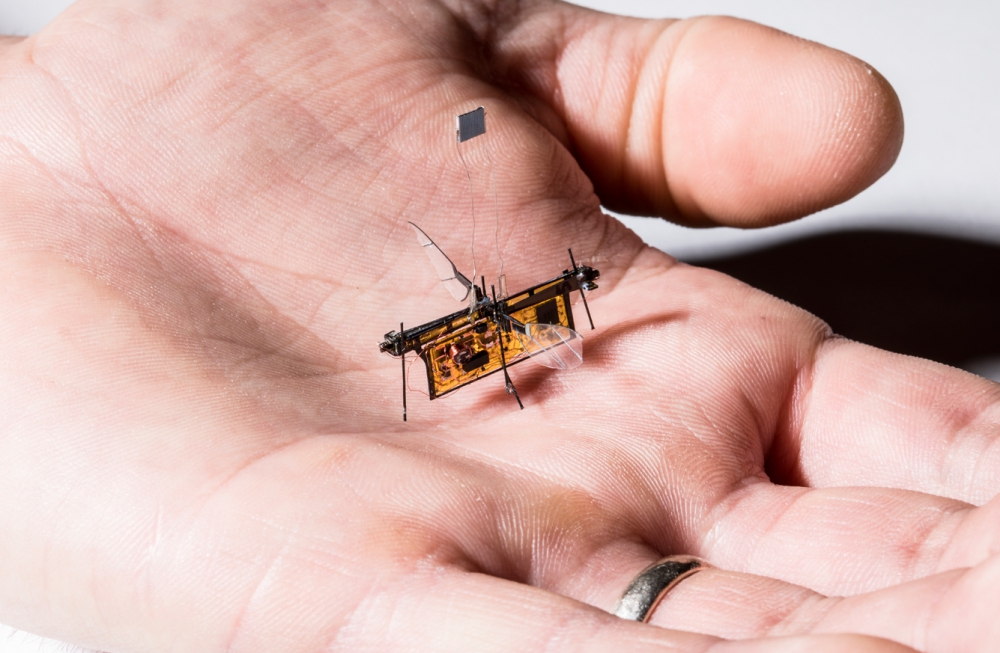
RoboFly – A Laser-Powered Flying Robotic Insect
Insect-sized flying robots could help with time-consuming tasks like surveying crop growth on large farms or sniffing out gas leaks. These robots soar by fluttering tiny wings because they are too small to use propellers, like those seen on their larger drone cousins. Continue reading
The Future of Search and Rescue
The drone threads its way through the disaster area, beneath ceilings and power lines, through narrow corridors, sewer pipes and hallways. Bodies and survivors lie under rubble. When it’s not feeling its way through tight confines, there’s wind to contend with. Continue reading
MIT Researchers Use VR to Prevent Drone Collisions
Training drones to fly fast, around even the simplest obstacles, is a crash-prone exercise that can have engineers repairing or replacing vehicles with frustrating regularity. Now MIT engineers have developed a new virtual-reality training system for drones that enables a vehicle to “see” a rich, virtual environment while flying in an empty physical space. Continue reading
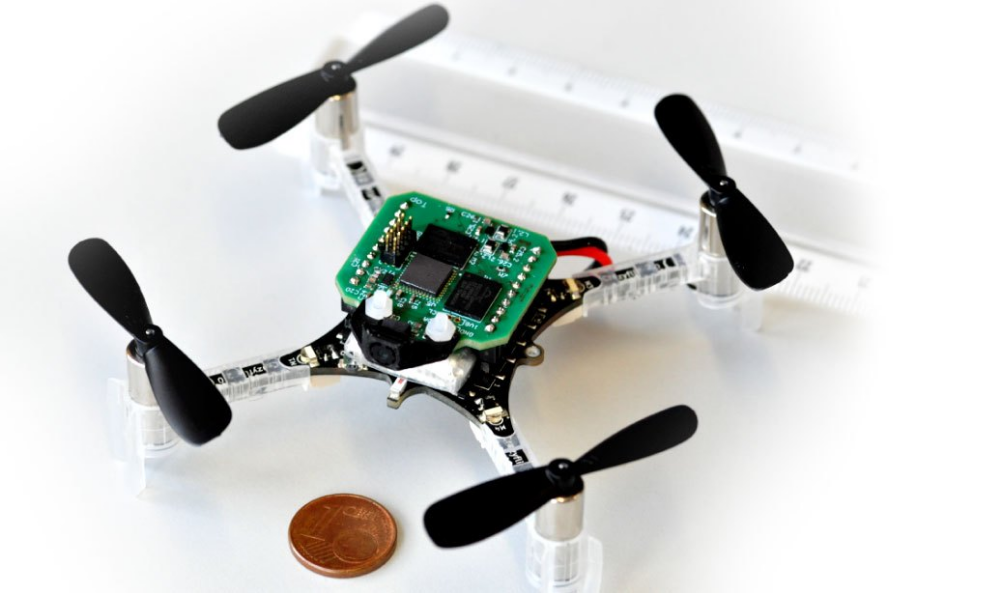
Ultra Low Power Deep-Learning-powered Autonomous Nano Drones
A team of computer scientists have built the smallest completely autonomous nano-drone that can control itself without the need for a human guidance. Although computer vision has improved rapidly thanks to machine learning and AI, it remains difficult to deploy algorithms on devices like drones due to memory, bandwidth and power constraints. Continue reading
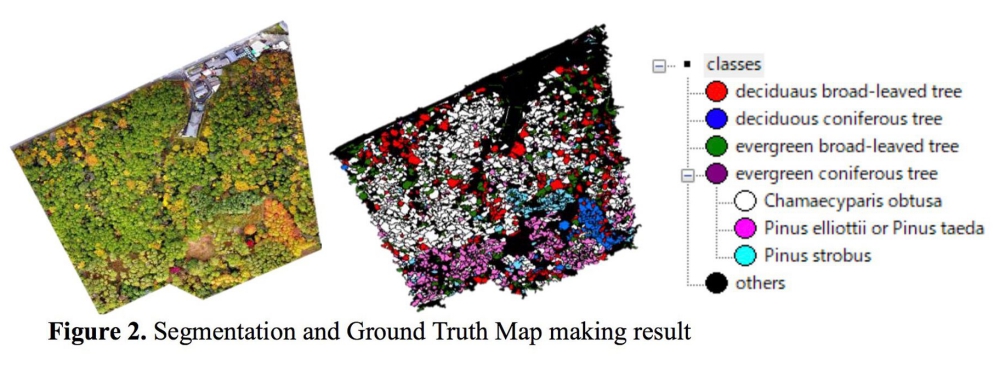
Automatic Classification of Trees with UAV RGB Images and Deep Learning
Automatic classification of trees using remotely sensed data has been a dream of many scientists and land use managers. Recently, Unmanned aerial vehicles (UAV) has been expected to be an easy-to-use, cost-effective tool for remote sensing of forests, and deep learning has attracted attention for its ability concerning machine vision. Continue reading