
The Californian City of Chula Vista is inviting the private sector to propose projects, partnerships and pilot programmes to test drones and autonomous vehicles (AVs). Continue reading

UAS VISION
an independent online news service for the Unmanned Aircraft Systems world
The Californian City of Chula Vista is inviting the private sector to propose projects, partnerships and pilot programmes to test drones and autonomous vehicles (AVs). Continue reading
The first test flights to establish the principles for the National Beyond visual line of sight Experimentation Corridor (NBEC) have successfully taken place at Cranfield Airport. Continue reading
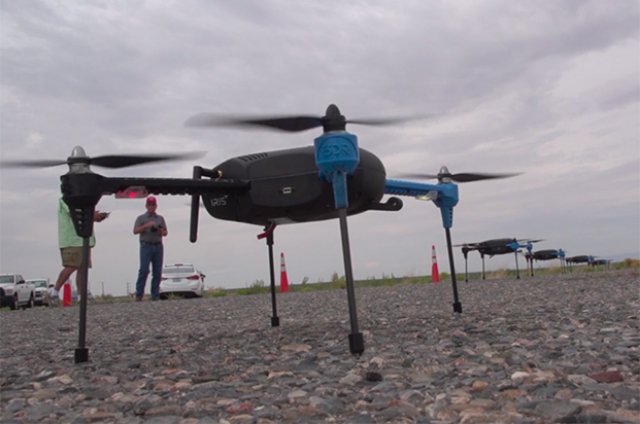
The US Air Force Research Laboratory, Wright Brothers Institute, and University of Dayton Research Institute will release the first scenario for its “Swarm and Search AI Challenge” this week, though teams officially have until Feb. 12 to register.
Continue reading
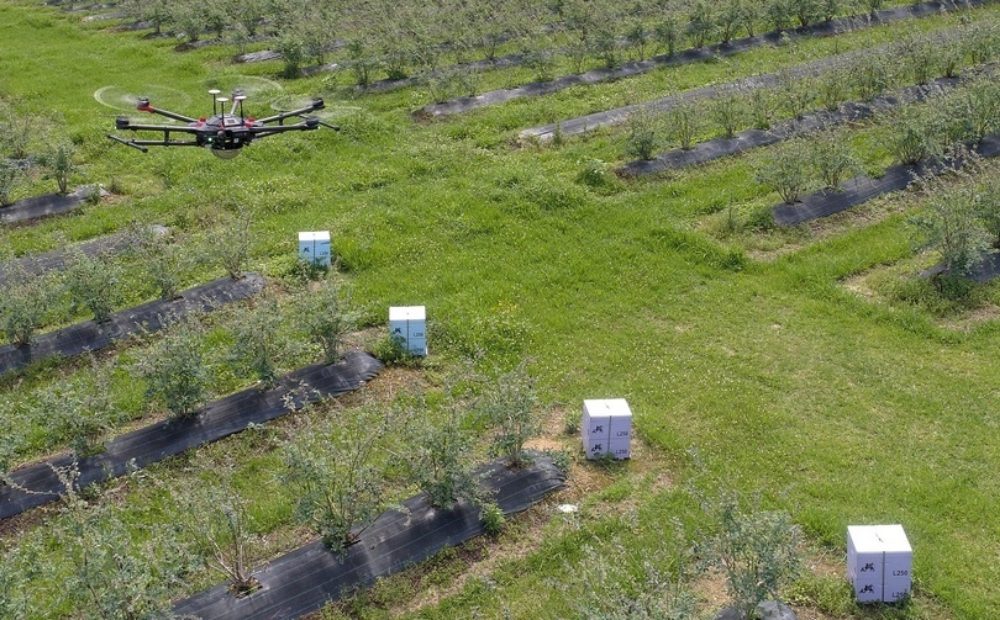
North Dakota is the nation’s leader in honey production. The University of North Dakota in Grand Forks is a leader in drones and drone research. That led Bee Innovative, an Australian company, to pair up with UND to enhance the company’s current drone technology that tracks bee movements and pollination patterns, the two companies announced Jan. 30.
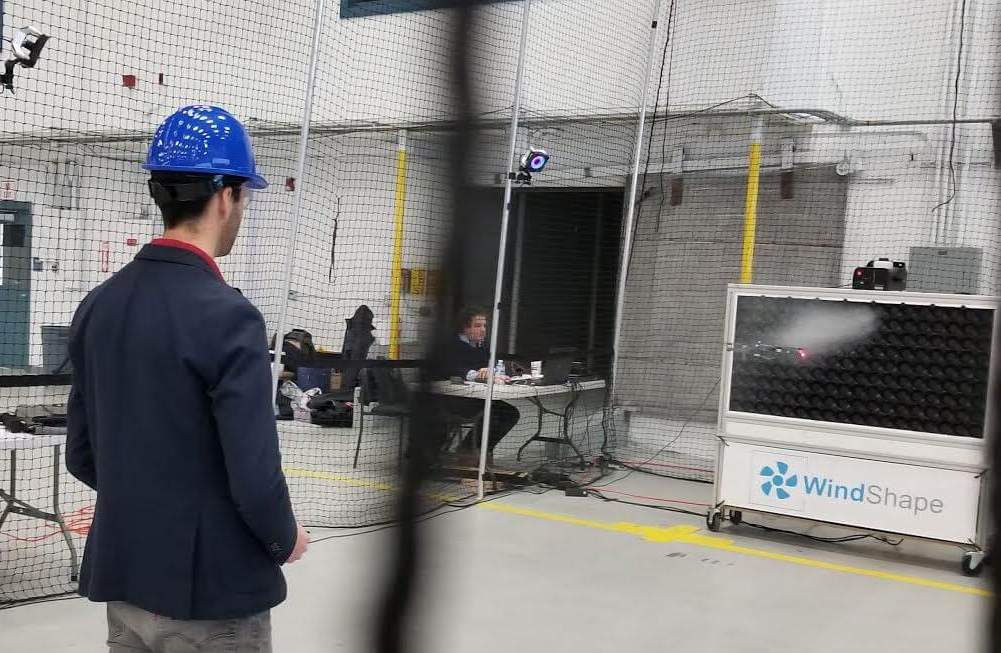
Windshape, a Switzerland based company, in partnership with the New York State UAS Test Site, TruWeather Solutions and the NUAIR Alliance, used industry-leading micro-weather stimulations to test the impact of wind on the air worthiness and performance of various types of unmanned aircraft systems (UAS) platforms. The testing took place at the New York State UAS Test Site at Griffiss International Airport, in Rome, New York. Continue reading
 PrecisionHawk and Skylogic Research have just published a whitepaper in which they highlight the economic benefits of using drones for BVLOS operations across various industries. Specifically, the report details how the economics of BVLOS compare with visual-line-of-sight drone operations, as well as more traditional methods such as manual inspections or the use of manned aircraft. Continue reading
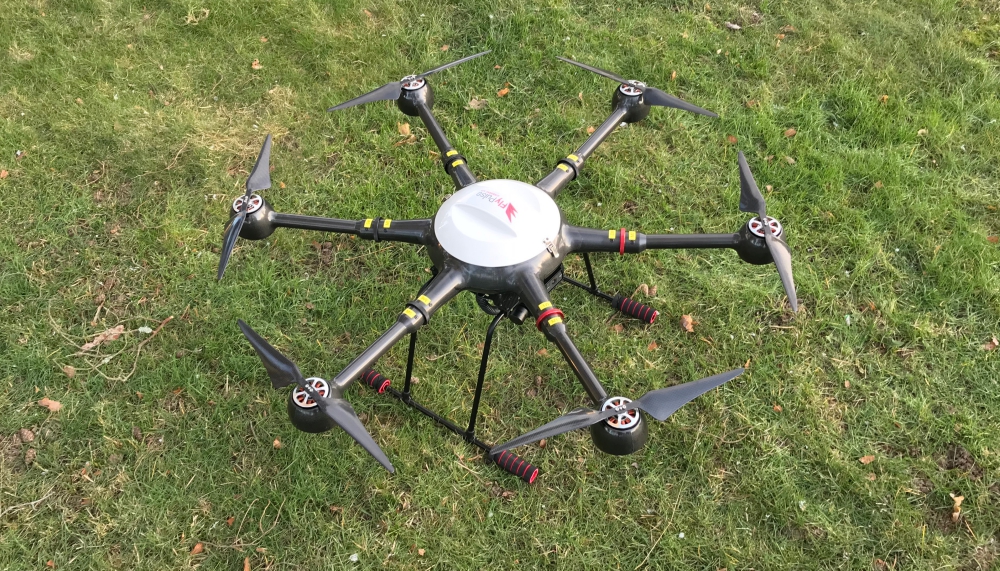
Future airports will be more and more automated and remotely controlled, and drones are expected to be integrated with daily operations. A newly granted project ASAS – Airport Surveillance for Airport Safety, led by RISE Research Institutes of Sweden and to be conducted together with LFV (Luftfartsverket), Swedish Regional Airports (SRF), Örnsköldsvik Airport (OER) and FlyPulse will develop and demonstrate drone solutions to help automate daily operations in airports. Continue reading

A Georgia State researcher and collaborators have been awarded a $1.2 million federal grant to develop the use of drones in wildfire management, providing more timely data that could allow authorities to give residents in affected areas more time to evacuate, as well as helping firefighters working on the ground. Continue reading