
The US Bureau of Industry and Security, Commerce has added DJI to its ‘Entity List’, identifying the Chinese company as a national security concern and banning US-based companies from exporting technology to the company. Continue reading

UAS VISION
an independent online news service for the Unmanned Aircraft Systems world
The US Bureau of Industry and Security, Commerce has added DJI to its ‘Entity List’, identifying the Chinese company as a national security concern and banning US-based companies from exporting technology to the company. Continue reading

The European Union Aviation Safety Agency has published the full regulatory framework setting the parameters for drone services such as parcel delivery in urban areas, railway and power lines inspection, or delivery of essential supplies into crisis zones. Continue reading
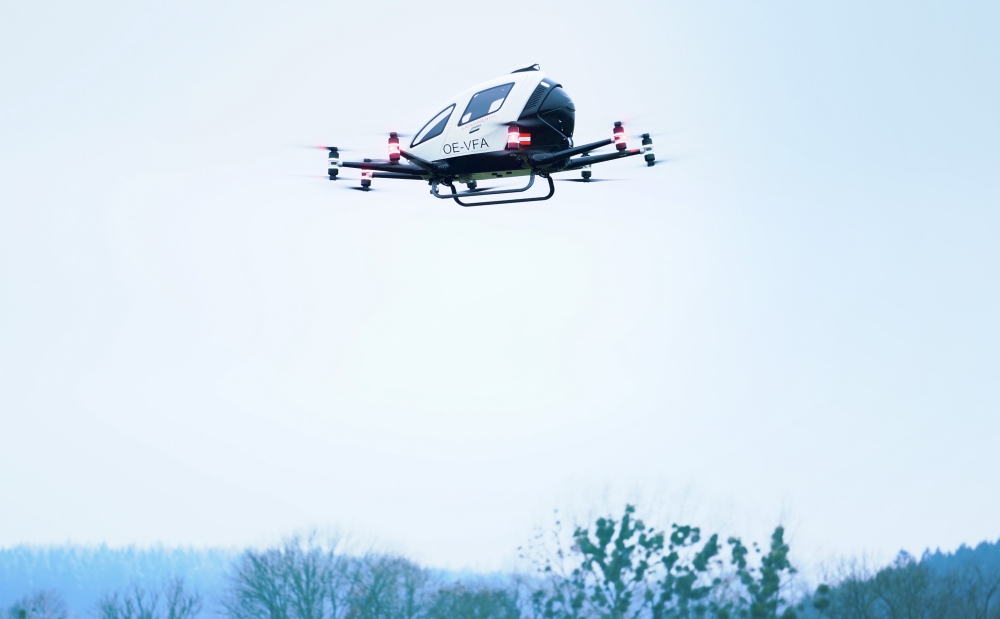
The EH216 first flight took place in November 2020 in St. Martin im Innkreis, Upper Austria
EHang Holdings Limited achieved a significant milestone on the path to offering Urban Air Mobility services worldwide. On December 9, the Civil Aviation Authority of Austria issued a trial flight permit for the EH216 passenger-grade AAV. Continue reading
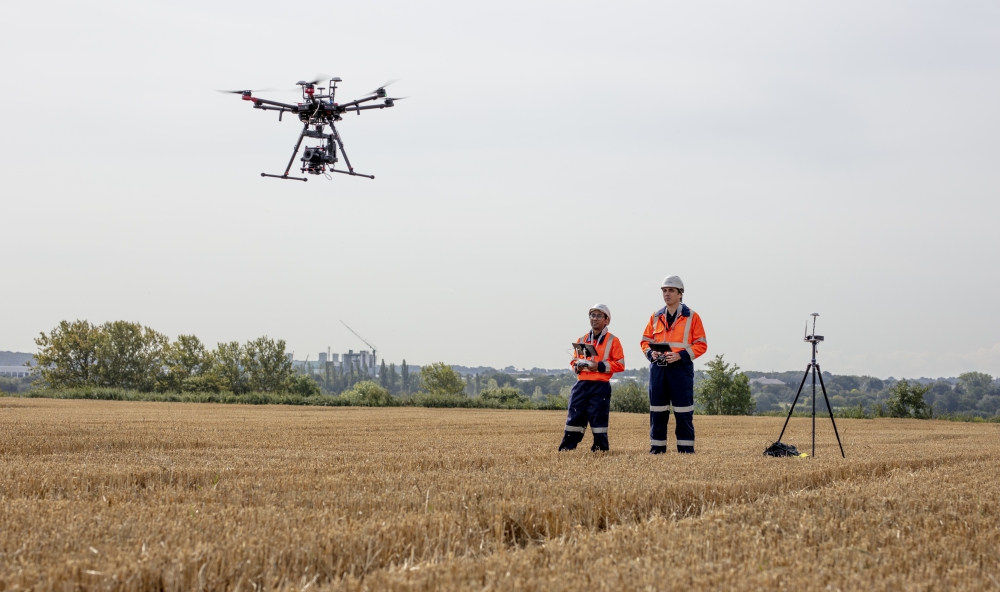
BT has announced the formation of a new consortium to deliver a series of industry use cases across the UK’s first commercial drone corridor. Continue reading
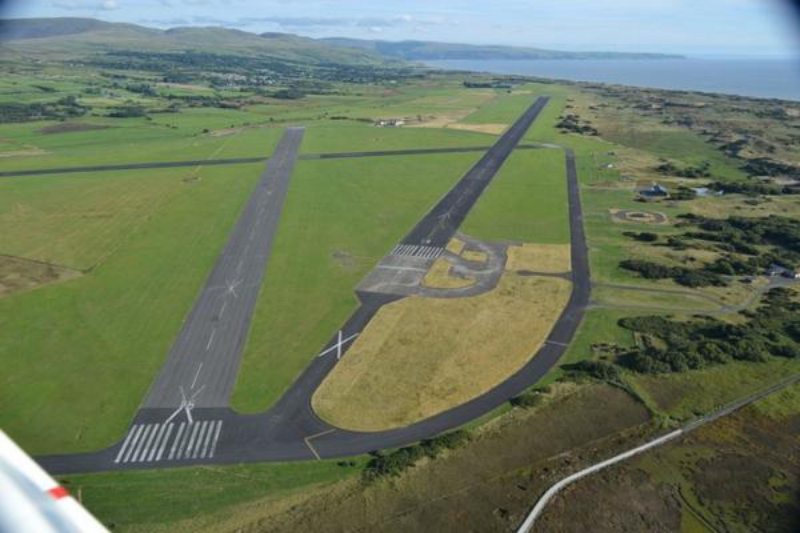
Snowdonia Aerospace has launched a public consultation, open to everyone, on a proposed change to the airspace designation around Llanbedr Airfield. The consultation begins on Monday 7th December 2020 and will run for 7 weeks before closing on Friday 22nd January 2021. Continue reading
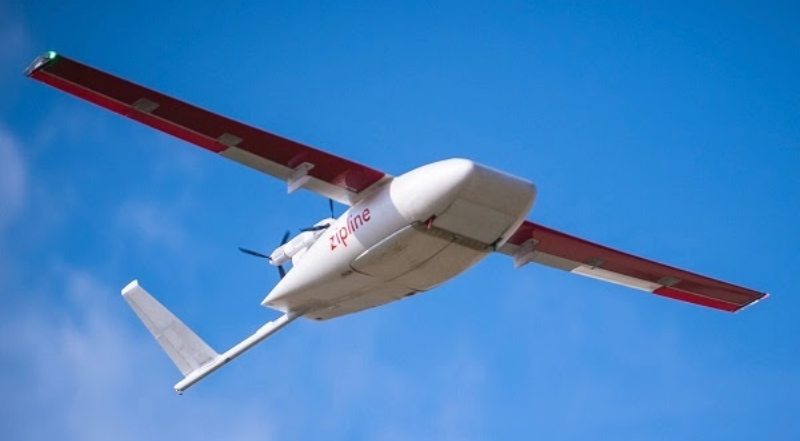

U.S. Secretary of Transportation Elaine L. Chao has announced the three-year Unmanned Aircraft Systems (UAS) Integration Pilot Program (IPP) successfully concluded on Oct. 25. Continue reading
The European Union Aviation Safety Agency (EASA) has delivered a digitalised and secure system for the exchange of drones registration data among the national authorities of the Member States, putting the technical framework in place to allow registered users to fly their drones anywhere in the European Union with a single registration. Continue reading