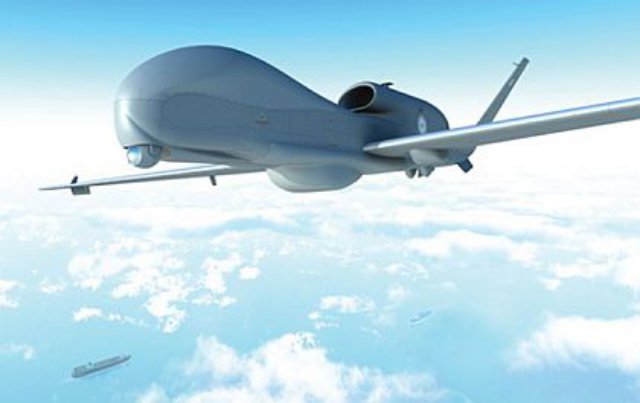
The U.S. Naval Air Systems Command (Navair) is seeking information from industry on radar and antenna solutions that could provide the MQ-4C Triton unmanned aircraft with a “sense and avoid” (SAA) capability it needs to fly in unrestricted airspace with other aircraft. Continue reading

Category Archives: Military UAS
Poland Wants Armed Drones Amid Ukraine Crisis
NATO member Poland said Tuesday it will acquire combat drones as part of a multi-billion-euro revamp of its armed forces amid heightened tensions with Russia over its role in the Ukraine crisis. Continue reading
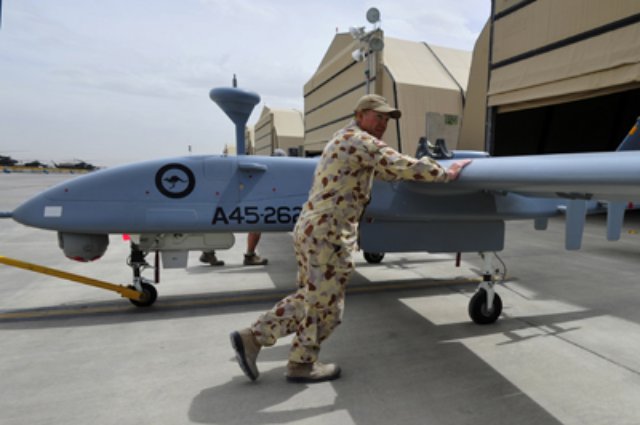
Australia to use Heron as Training Bridge to MQ-4C Triton
The Royal Australian Air Force (RAAF) will continue operating two Israel Aerospace Industries’ Heron unmanned aircraft systems (UAS) until the service receives MQ-4C Tritons from the U.S. The RAAF will use the medium-altitude, long-endurance Herons for training as well as for efforts to integrate unmanned aircraft into Australian airspace, the Department of Defense said.
US Air Force Wants Better Global Hawk Protection Against Cyber Attacks
Australia Needs a National Drone Strategy
Australia needs a national strategy that links development of its unmanned aerial systems industry to the requirements of the Defence Department, drone operators have told the government. Continue reading
Elop’s New Miniature Laser Designator for UAS
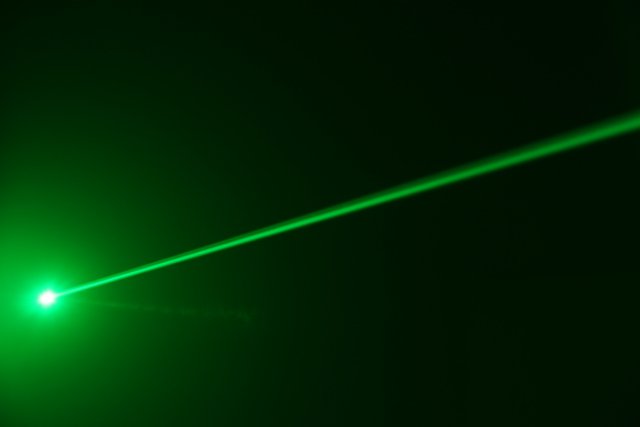
Elbit Systems’ Elop subsidiary has unveiled what it claims is the smallest laser designator that can be carried by a mini-unmanned air vehicle. Continue reading
Insitu Announces ScanEagle 2
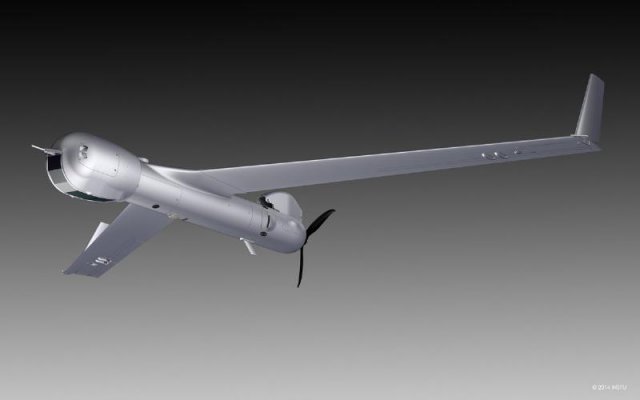
Insitu has announced ScanEagle 2, the next generation of its revolutionary ScanEagle platform. Leveraging lessons learned from more than 800,000 operational hours, ScanEagle 2 provides increased payload power and expanded payload options, a more robust navigation system, better image quality due to a fully digital video system and a state-of-the-art, purpose-built propulsion system. The aircraft’s new architecture also maximizes commonality with all Insitu systems, reducing training, hardware and life-cycle costs.
US Air Force Reapers Rely on Horsehair to Land

A close up of the horsehair used to judge yaw during takeoff and landings for the MQ-9 Reaper (Aaron Mehta/Staff)
Holloman Air Force Base in New Mexico is notable as the training hub for the pilots and sensor operators who fly the Air Force’s MQ-1 Predator and MQ-9 Reaper remotely piloted aircraft (RPA) fleets . Continue reading