
Tern, a joint program between DARPA and the U.S. Navy’s Office of Naval Research (ONR), seeks to greatly increase the effectiveness of forward-deployed small-deck ships such as destroyers and frigates by enabling them to serve as mobile launch and recovery sites for specially designed unmanned air systems (UASs). Continue reading
Category Archives: Military UAS
US Approves $1BN Reaper Sales to UK
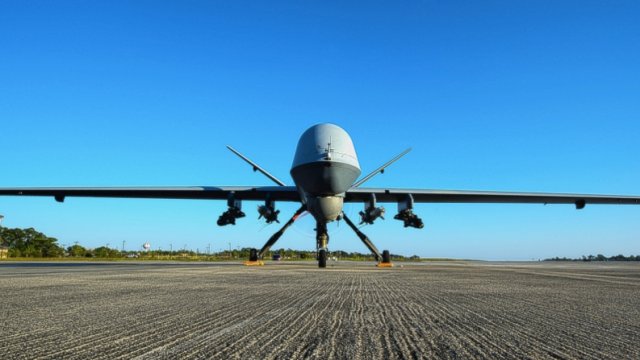
The State Department has made a determination approving a possible Foreign Military Sale to the United Kingdom for Certifiable Predator B Remotely Piloted Aircraft, equipment, training, and support. The estimated cost is $1.0 billion. The Defense Security Cooperation Agency delivered the required certification notifying Congress of this possible sale on November 16, 2016. Continue reading
Kalashnikov Plans Unmanned Drone-Carrier
 Kalashnikov, the famous Russian weapons manufacturer, has unveiled its plans for an unmanned vessel capable of carrying several tactical aerial drones, Izvestia reported.
Boeing in Talks for UAS Under ‘Make in India’ Initiative
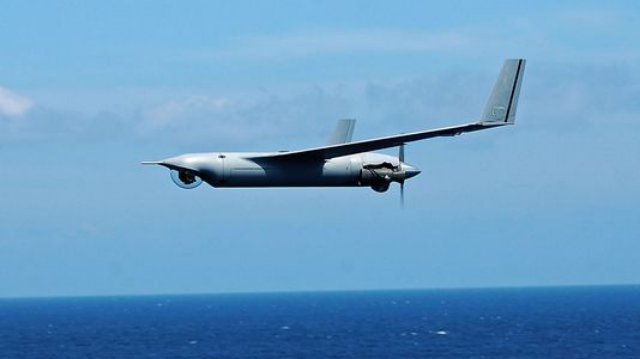
Boeing has said it is in talks with Indian companies to collaborate under the ‘Make in India’ initiative to manufacture Unmanned Aircraft System (UAS) that could be used for surveillance by the Indian Navy. Continue reading
Aurora to Develop Unmanned Huey
Aurora Flight Sciences continues to break ground on the development of advanced autonomous capabilities for vertical take-off and landing (VTOL) systems. Aurora’s work on the Autonomous Aerial Cargo Utility System (AACUS) program will be leveraged to integrate the company’s Tactical Autonomous Aerial Logistics System (TALOS) on a UH-1H helicopter. Continue reading
India Set to Acquire 100 Armed Avengers
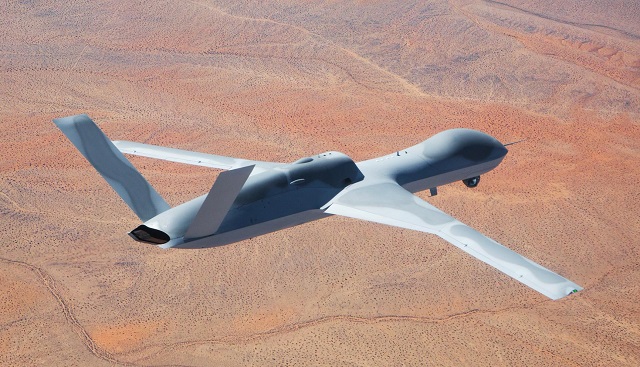
The Indian Air Force is set to acquire its first missile-armed unmanned aerial vehicles (UAVs) from the US. The Indian Air Force has for years said it needs armed drones – weapon systems. Continue reading
First Flight of Avenger Extended Range
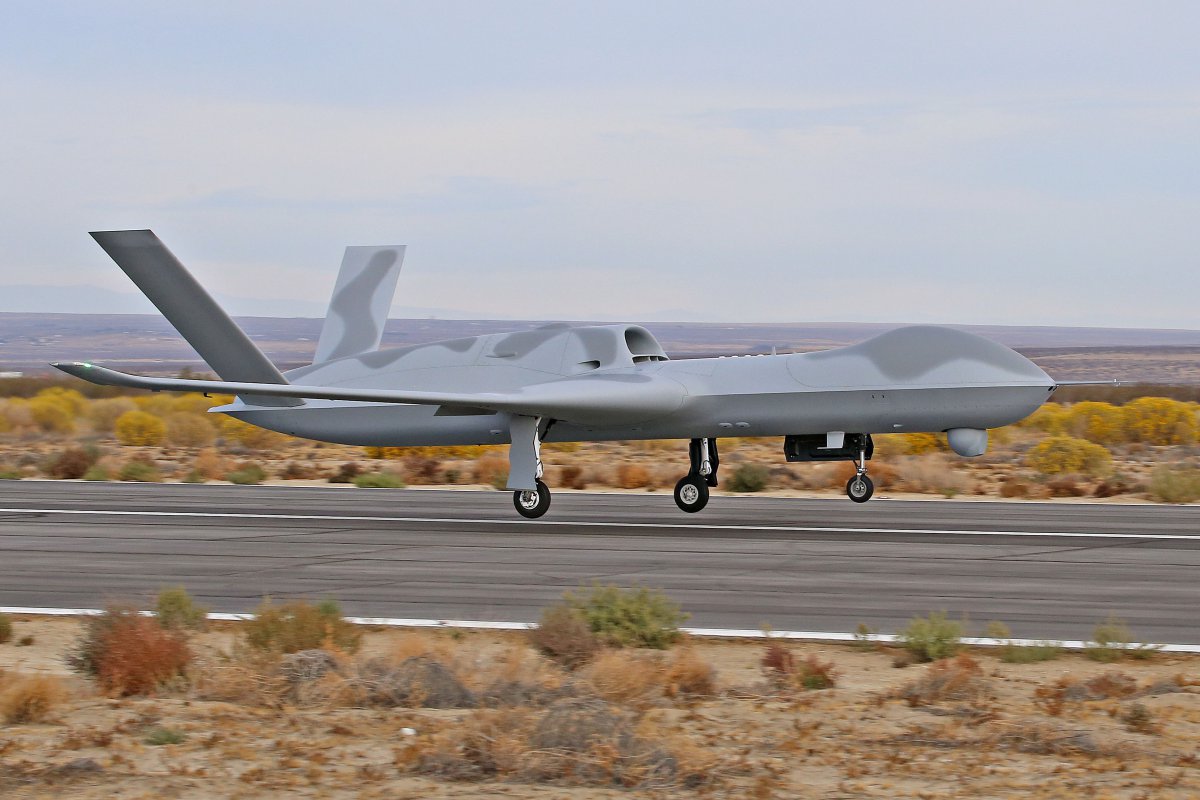
General Atomics Aeronautical Systems, Inc. has announced the successful first flight of its new Avenger Extended Range (ER) aircraft, an extended range version of its multi-mission jet-powered Predator C Avenger which has accumulated over 13,000 flight hours to date. The flight occurred on October 27th at the company’s Gray Butte Flight Operations Facility in Palmdale, Calif. Continue reading
Obama Asks Congress for 535 Lethal Miniature Aerial Missile Systems in Iraq
An $11.6 billion defense request that President Barack Obama sent Congress includes funds to buy more lethal drones for U.S. commandos fighting Islamic State and other terrorists as well as networks to counter the pilotless aircraft those groups are now using. Continue reading