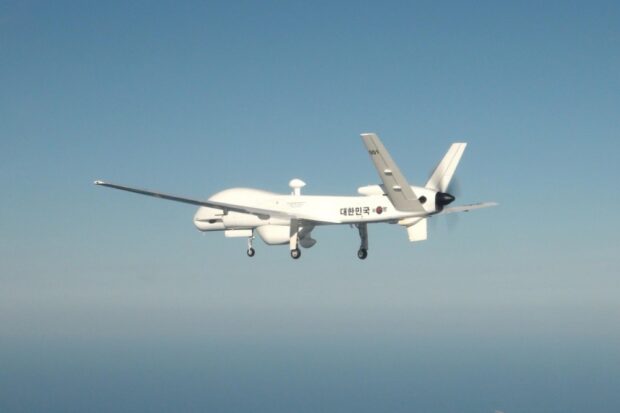
South Korea has begun production of medium-altitude unmanned aerial vehicles (MUAVs) to enhance the military’s surveillance over North Korea, the state-run procurement agency said Thursday. Continue reading

an independent online news service for the Unmanned Aircraft Systems world
South Korea has begun production of medium-altitude unmanned aerial vehicles (MUAVs) to enhance the military’s surveillance over North Korea, the state-run procurement agency said Thursday. Continue reading
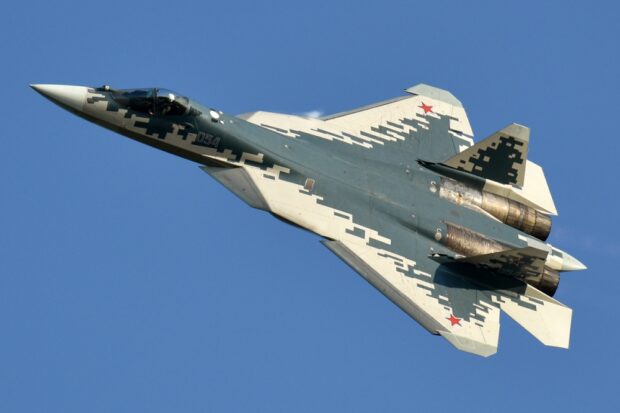
The Sukhoi Su-57 (Russian: Сухой Су-57; NATO reporting name: Felon) is a twin-engine stealth multirole fighter aircraft developed by Sukhoi. It is the product of the PAK FA (Russian: ПАК ФА, prospective aeronautical complex of front-line aviation) programme, which was initiated in 1999 as a more modern and affordable alternative to the MFI (Mikoyan Project 1.44/1.42). Continue reading
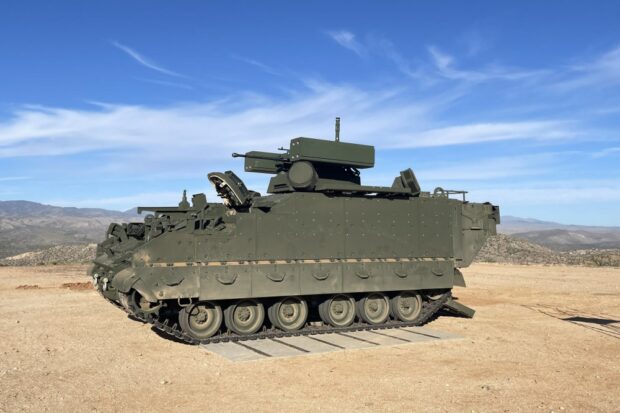
BAE Systems successfully tested its Armored Multi-Purpose Vehicle (AMPV) Counter-Unmanned Aircraft System (C-UAS) prototype during a recent live fire demonstration. As part of a collaborative effort with Moog, these positive results exemplify opportunities for future capability growth within the purpose-built modular framework of the AMPV platform. Continue reading
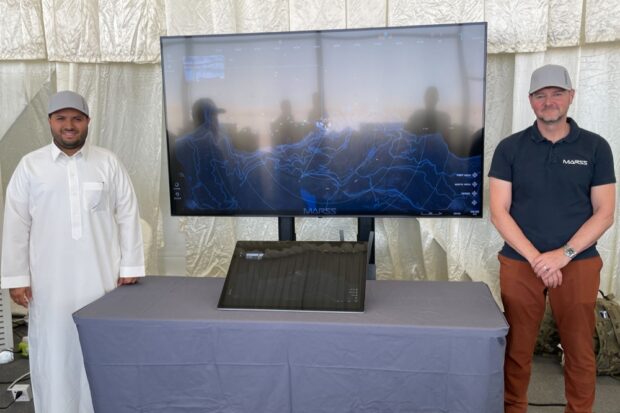
The Red Sands Live Fire Exercise 23.2 operation sought to strengthen military relations between the US and Saudi Arabia while showcasing how different technologies could defeat varied attacks. It also served to develop UAS combative procedures while increasing the defensive readiness of the two nations against emerging UAS threats. Continue reading
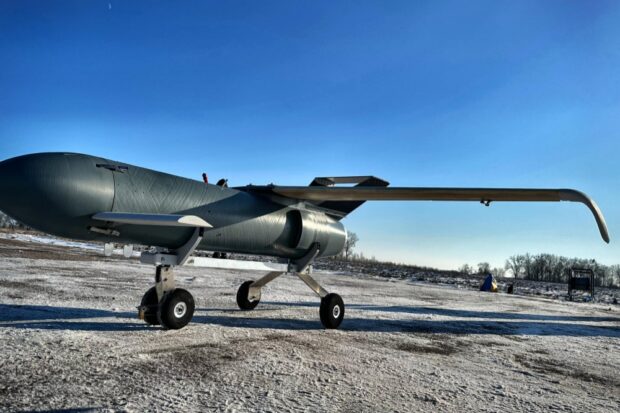
Maxim Glushak announced on his Facebook page that a new kamikaze jet drone made its first flight in Ukraine. The photos reveal an unmanned aerial vehicle developed in a canard configuration with a horizontal front tail. Continue reading
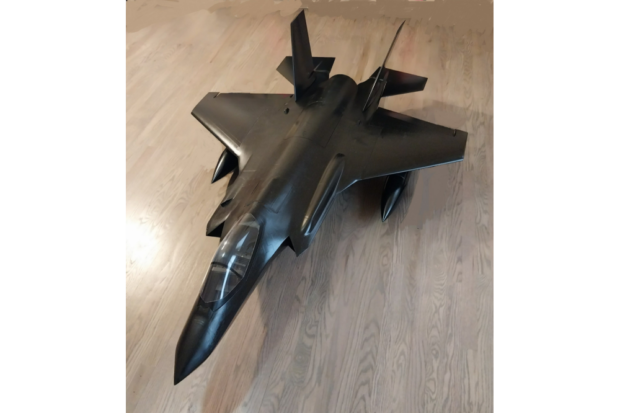
SkyDefense LLC of Brighton, Colorado has announced its counter-UAS interceptor weapon system which can neutralize a swarm of hostile drones. Continue reading
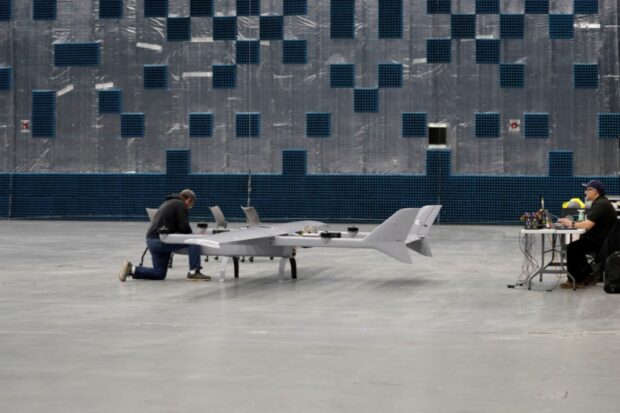
SkyDome, Oneida County’s cutting-edge indoor Uncrewed Aerial Systems (UAS) test facility, started the New Year with a resounding success by welcoming LiquidPiston for a series of tests of its modified VTOL airframe. Continue reading
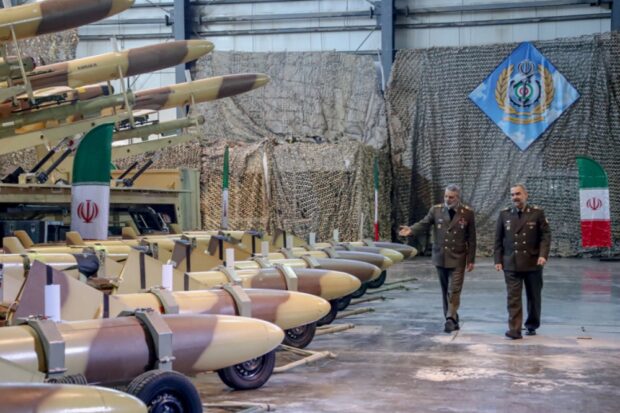
The Islamic Republic of Iran Army has received large numbers of strategic combat, reconnaissance, destruction and radar drones. Continue reading