
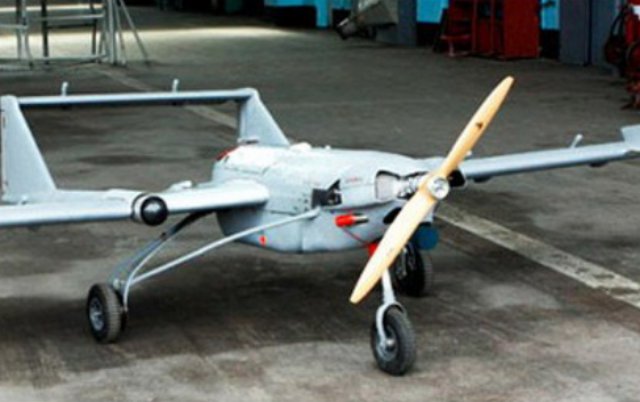
 In August, the Minsk Aircraft Repair Plant presented an unmanned aircraft system known as “Philin” together with unmanned aircraft “Sterkh-BM”. The presentation was made following completion of the first stage of production flight test that included automatic take-off, en-route flight and landing. Continue reading
RTCA Special Committee 203, Unmanned Aircraft Systems Meeting in September
The FAA has issued a notice to advise the public of the twenty-second meeting of RTCA Special Committee 203, Unmanned Aircraft Systems. Continue reading
UAS Deliver 3-D Portraits for Blue Sky Project at Burning Man Festival
A non-profit organisation called ReAllocate is developing an art project — called Blue Sky — for Burning Man that will scan people and 3-D-print a model of them before delivering it by UAS using GPS tracking. Continue reading
ISR Group and Altavian Team for Future UAS Operations
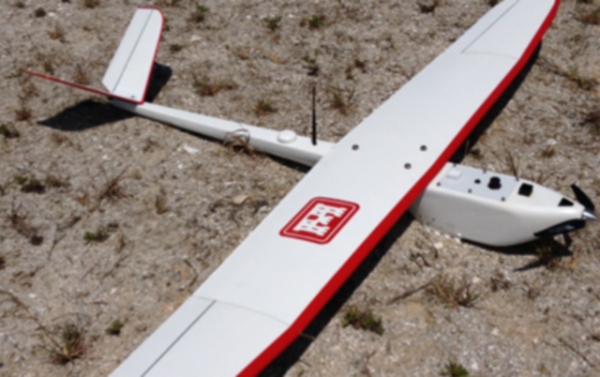 The ISR Group of Tennessee has signed an exclusive agreement to market and maintain worldwide the Nova unmanned aircraft system of Altavian Inc. Continue reading
GA-ASI Gets $27M Predator Primary Data Link Upgrades US Air Force Contract
General Atomics Aeronautical Systems, Inc. is being awarded $26,767,748 firm-fixed-price (86 percent) cost plus incentive fee (14 percent) contract for the Predator Primary Data Link configuration upgrades on MD-1A/B ground control station retrofit kits. Continue reading
Syrian Rebels Display Captured Iranian UAS
In this video, Syrian rebels show off three small, unmanned surveillance aircraft that they say they downed. Continue reading
International Guidelines on UAS Use for Law Enforcement
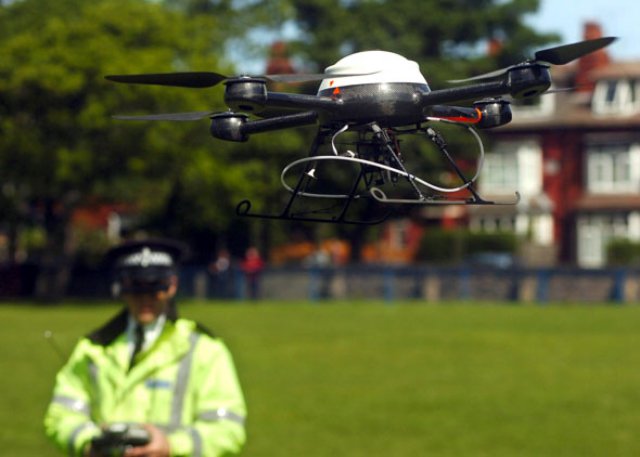 The International Association of Chiefs of Police (IACP) has adopted guidelines for the use of unmanned aircraft systems (UAS) in law enforcement applications. Continue reading
MIT Algorithms Enable Autonomous UAS Fly to Indoors without GPS
[youtube kYs215TgI7c nolink]
For decades, academic and industry researchers have been working on control algorithms for autonomous helicopters — robotic helicopters that pilot themselves, rather than requiring remote human guidance. Continue reading