
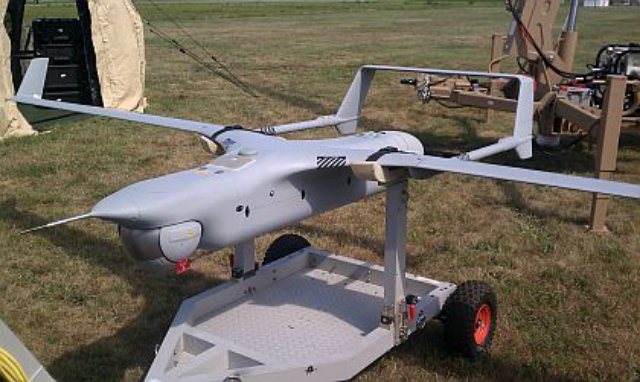
 US Navy researches are asking industry to build sophisticated electro-optical sensor payloads small enough for small unmanned aircraft systems (UAS) like the Boeing Insitu RQ-21A Integrator, but with high-resolution and wide-area coverage, autonomous identification of objects, and other advanced capabilities. Continue reading
Israeli Air Force now Flying More Unmanned than Manned Sorties
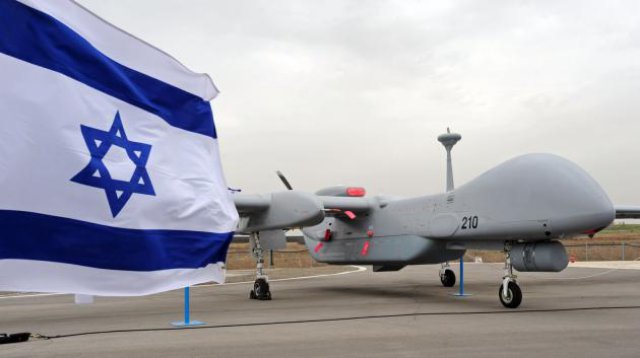 The Israel Air Force, battling manpower shortages and budget restraints, has been building a fleet based on unmanned aircraft systems. Continue reading
UAS Mounted Spectrometers Monitor Barley & Suger Beet Crops in New Zealand
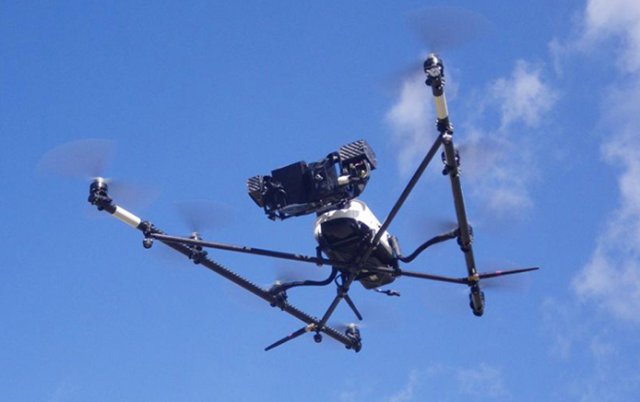 A pair of Ocean Optics miniature spectrometers – one flown on a UAS and a second deployed in a ground unit – are helping plant scientists to monitor barley and sugar beet crops by providing hyperspectral measurements. Continue reading
India Seeking JVs for Domestic UAS Production for $2BN Market
 The Indian market for UAS is estimated at $2 billion and the answer to the demand will be filled by local production. Continue reading
Insitu Gets $45M UK Royal Navy ScanEagle Contract
 Boeing’s Insitu subsidiary won a UK competition to provide unmanned maritime surveillance system on Royal Navy frigates and support ships. Insitu will provide the ScanEagle UAS under an initial two-year $45 million contractor-owned, contractor-operated (coco) contract. Continue reading
Georgian President says UAS Bought from Israel were Compromised
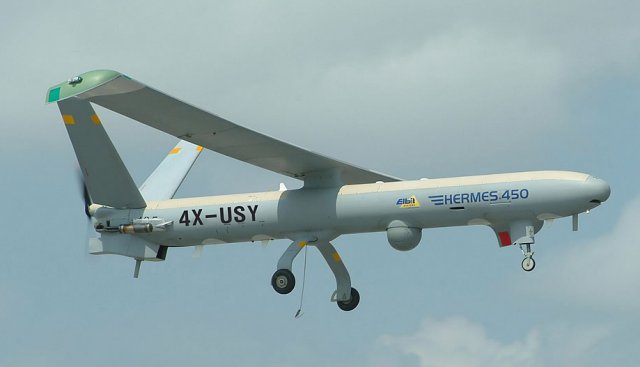 Georgian President Saakashvili said on July 5 that unmanned surveillance aircraft, which his government bought from Israel before the war with Russia, were compromised as sensitive data became available to “adversary”. Continue reading
New Mexico UAS Startups Seek Funding
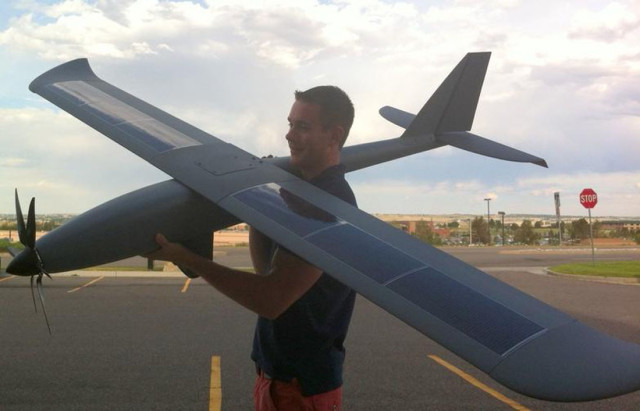 At least two dozen companies, including some large engineering firms in Albuquerque, are now involved in developing UAS systems and components, said New Mexico Aviation Aerospace Association President Bill McMillan. Continue reading
DARPA’s Virtual Robotics Challenge
From June 17-21, 2013, teams in DARPA’s Virtual Robotics Challenge tested software designs to control a simulated ATLAS robot in a three-dimensional, virtual environment through a series of tasks modeled on what activities might be required in a real disaster response situation. Continue reading