
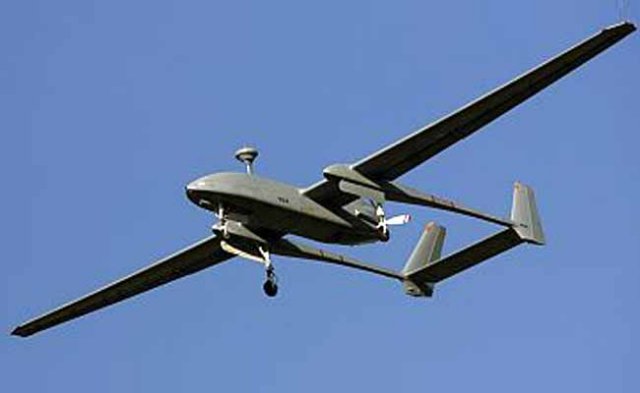
 In a statement, the Indian Air Force has revealed that “a group of terrorists were detected by the aerial surveillance platforms as soon as they entered the Air Force Station at Pathankot”. Continue reading
Drone Causes Power Cut in San Francisco Suburb
 A recreational drone possibly crashed into a Pacific Gas and Electric Co. overhead conductor Sunday evening, causing a power failure that lasted more than an hour in a small section of San Francisco.
General Atomics Plans 150kW Laser Tests on Avenger
General Atomics is to start testing a potentially revolutionary weapon next month: a 150-kilowatt class laser. Several other companies are developing laser weapons and “we’re looking at all of them,” said Lt. Gen. Bradley Heithold, head of Air Force Special Operations Command, in an interview with Breaking Defense. Continue reading
Northrop Grumman Announces DARPA TERN Contract
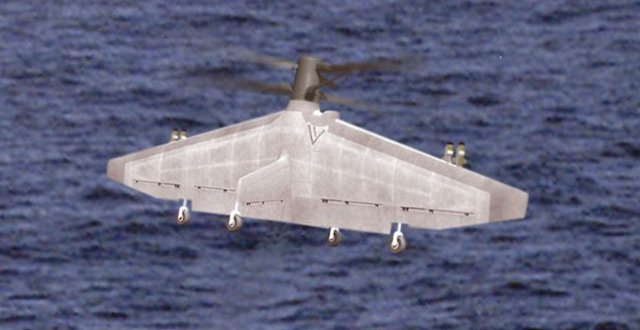 The Defense Advanced Research Projects Agency (DARPA) and the Office of Naval Research have awarded Northrop Grumman Corporation the third phase of the Tern unmanned systems program. Phase three plans to include final design, fabrication and a full-scale, at-sea demonstration of the system.
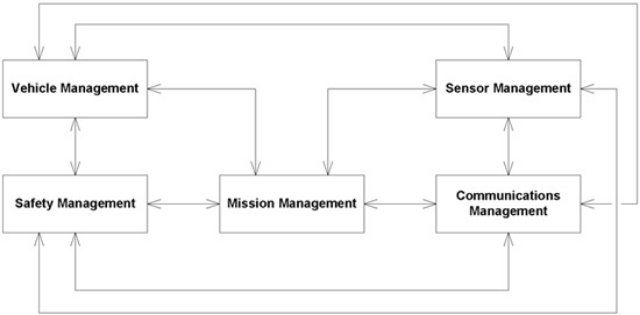
Multiple-Scenario Unmanned Aerial System Control
DJI Teams with Ford on Developer Challenge

DJI has announced version 3.0 of its software development kit, or SDK. To help spur developers into working with its SDK, DJI also creates an annual challenge with a cash prize. This year DJI is partnering with Ford and the United Nations to offer $100,000 to the team which builds the best application for launching a drone from moving vehicle as part of a theoretical search-and-rescue mission. Continue reading
Parrot Unveils Fixed Wing Disco at CES
The 700-gram Parrot Disco, which the company has been working on for the last two years, is a small fixed-wing consumer drone that looks like a model airplane. It can fly up to 45 minutes and reach speeds of just under 50 mph. The 1080p 14-megapixel camera at the front of the drone is the same one that Parrot used for its Bebop 2 quadcopter. Continue reading
Intel Acquires Ascending Technologies
Intel has made yet another hardware acquisition to build up its business of integrating its processors and RealSense imaging technology into the next wave of connected devices beyond PCs. The company announced it has purchased Ascending Technologies, a Germany-based startup that makes small drones and the software used to fly them. Continue reading