
The US Navy plans to “descope” the stealth requirement for its future carrier-based aerial refuelling unmanned air vehicle, which is now called the MQ-25 Stingray. Continue reading
Enlightenment Capital Invests in Aurora Flight Sciences

Enlightenment Capital, an aerospace, defense, and government-focused investment firm, announced that it has made a strategic investment in Aurora Flight Sciences, a manufacturer of unmanned aircraft systems (UAS) and autonomous flight technologies for military and commercial customers. The investment will support Aurora’s strategy for expanding the company’s development and manufacturing scale as demand continues to increase. Financial terms of the transaction were not disclosed. Continue reading
Small Drones Could Enhance Local Weather Forecasts
The Earth’s atmosphere has layers like a cake, and it follows that forecasting the weather is more accurate if information is coming from a lot of sources and from all of those layers. That is why we have weather satellites, high-flying drones and weather balloons all operating at different altitudes. Continue reading
One-Year Ban on Drone Importation in Barbados
The Barbados government has announced a 12-month ban on the importation of Remotely Piloted Aircraft Systems (RPAS), popularly known as unmanned aerial vehicles or drones. It takes effect from April 1. Continue reading
Non-GPS Autonomous Aerial Delivery
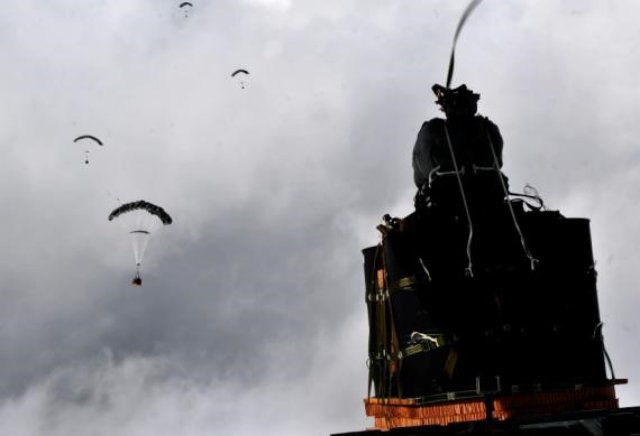
The U.S. Army’s Joint Precision Airdrop System (JPADS) has developed a new capability with a navigation alternative to GPS. In recent tests, JPADS were dropped from planes, and immediately determined their location using optical sensors to compare local terrain with commercial satellite imagery. The new system demonstrated navigation to its intended point, using nothing but imagery to guide it. Continue reading
Key Milestone Reached in Airlander’s Return-to-Flight Programme
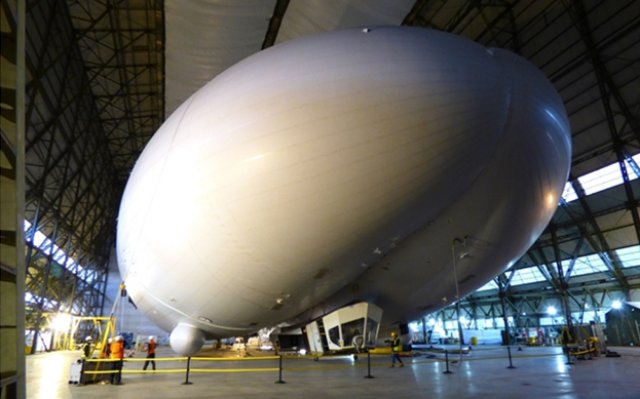 2016 will be a momentous year for the future of aviation with the innovative Airlander 10 taking to the British skies for the first time – the construction team continues to make ground-breaking progress on a daily basis – most recently attaching the Mission Module to the iconic hull.
NASA New Aviation Horizons
NASA’s Armstrong Flight Research Center conducts research to advance science, technology and aeronautics through flight. Continue reading
Antimatter Space Propulsion Possible within a Decade
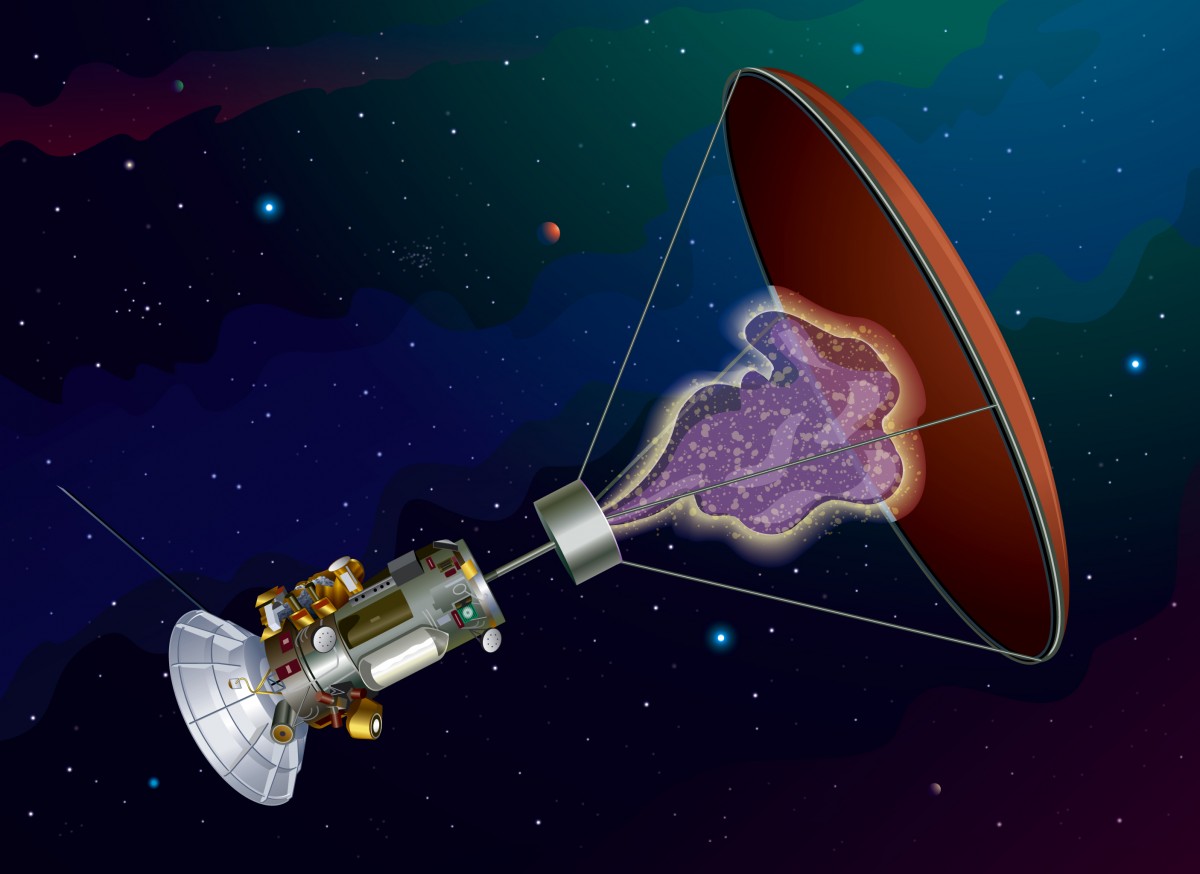 Dreams of antimatter space propulsion are closer to reality than most rocket scientists could ever imagine, says former Fermilab physicist Gerald Jackson. In fact, if money were no object, he says an antimatter-driven spacecraft prototype could be tested within a decade. To that end, next month, Jackson and his Chicago-based Hbar Technologies firm are launching a $200,000 Kickstarter campaign to crowdfund the next phase of its antimatter propulsion research.