
General Atomics Aeronautical Systems, Inc. (GA‑ASI), a leading manufacturer of Remotely Piloted Aircraft (RPAS) systems, tactical reconnaissance radars, and electro-optic and related mission systems solutions, has announced that it intends to hold three ‘industry days’ across Spain in January 2017. Continue reading
UK Officials Tour West Coast to Highlight Advanced Drone Regulations
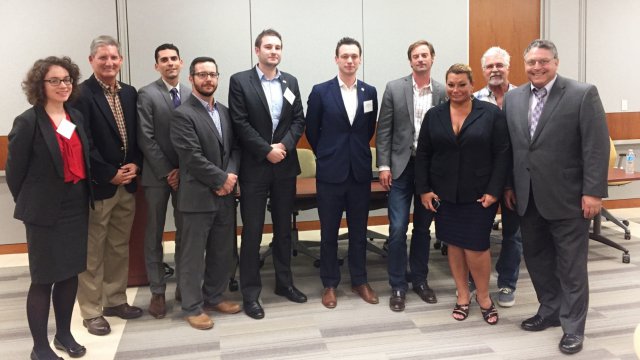
Last week a delegation of Unmanned Aerial Vehicle experts from the United Kingdom met with industry leaders in California to highlight the United Kingdom’s regulatory leadership. Continue reading
Technology Takes Over Flight of Attacking Drones
A number of government agencies are working with industry to develop an emerging technology designed to take over the signal of attacking enemy drones, enforcing perimeter security at sensitive U.S. sites and Forward Operating Bases in high-risk combat zones. Continue reading
California Leads in Unauthorized UAS Encounters

California has had more disclosed unauthorized Unmanned Aircraft Systems (UAS) encounters than any other state between October 2015 and September 2016—accounting for 21 percent of the reported encounters nationwide—according to the Federal Aviation Administration (FAA). These encounters continue to pose a direct risk to public safety air assets. Continue reading
Type-Certifiable Predator B Takes Flight
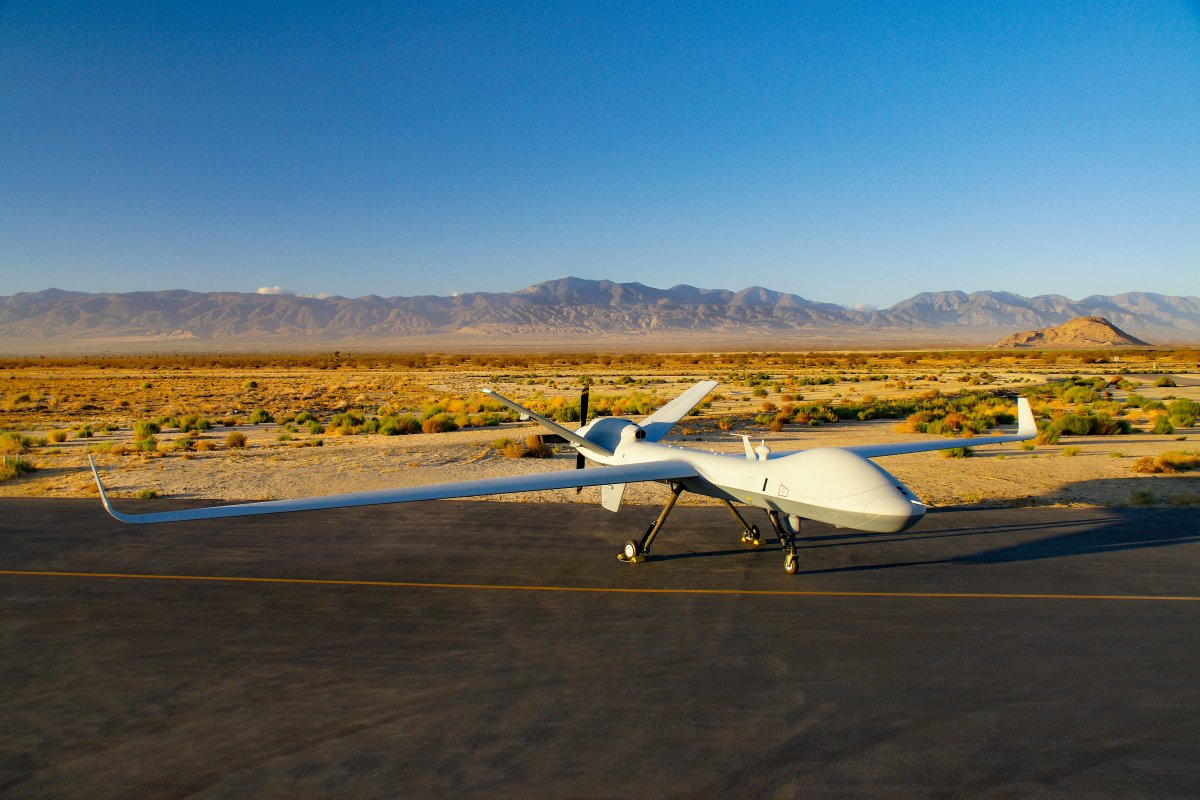
General Atomics Aeronautical Systems, Inc. (GA‑ASI), has announced that its Type-Certifiable Predator B (TCPB) variant completed its first flight test at the company’s Gray Butte Flight Operations Facility near Palmdale, Calif., on November 17th. Continue reading
Drones as Moving Streetlights
UK insurer Direct Line has a clever idea: drone streetlights you summon on your phone and that follow you around when you need them. As the video above shows, this is very much a marketing campaign rather than a real service, but the software behind it is open source and the company’s execution is convincing. Continue reading
Colombia’s Cocaine Drones

With all the good things that can come from the use of drones, there is always someone out there who will use them for bad intentions too. Recent reports from Colombia explain how drug barons are now employing the use of drones to deliver their goods and do their dirty work for them. Continue reading
New FAA Video Stresses Holiday Drone Safety
If you’re one of the lucky people who gets a drone as a holiday present, the Federal Aviation Administration wants you to know how to fly it safely. The agency has released this new video reminding everyone of the rules and regulations that safe drone pilots must follow. Continue reading