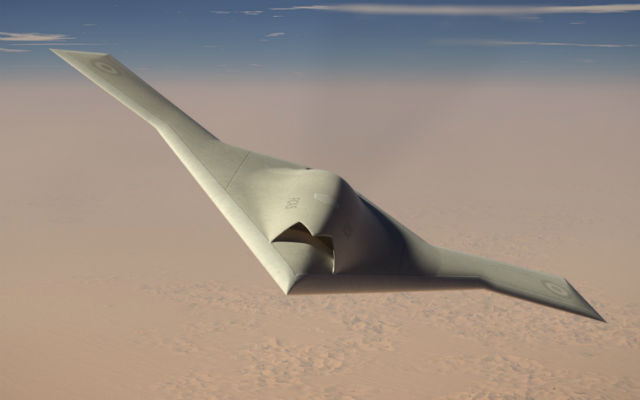
 The British and French governments have signed an agreement to begin a new interim phase of the bilateral Future Combat Air System (FCAS) programme.
Farewell, Phantom
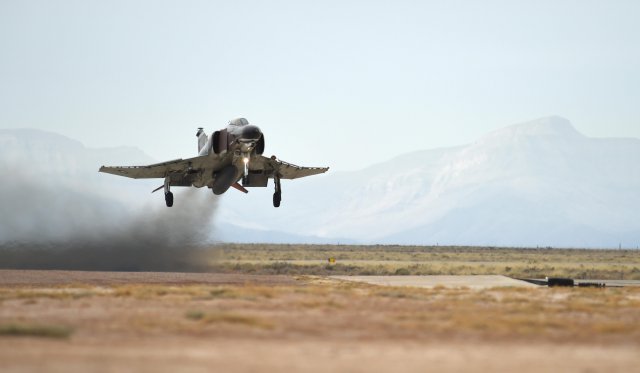
The US Air Force bid farewell to the final F-4 Phantom II during a ceremony Wednesday at Holloman AFB, N.M. More than 500 people gathered at Holloman to watch the flight of the final F-4, AF 349, piloted by Lt. Col. Ronald King, the Det. 1, 82nd Aerial Target Squadron commander. Continue reading
FAA Drone Registration Marks First Anniversary
Over the last year, the Federal Aviation Administration (FAA) has made great strides toward integrating unmanned aircraft – popularly called “drones” – into the nation’s airspace. The first big step took place last December 21, when a new, web-based drone registration system went online.
QinetiQ Acquires Meggitt Target Systems
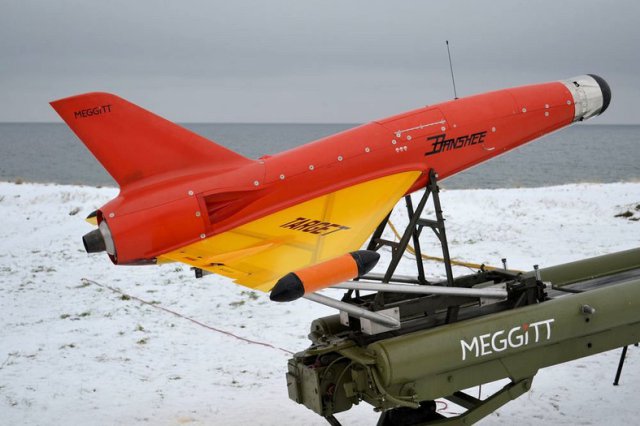 QinetiQ announced that it has acquired Meggitt Defence Systems Limited and Meggitt Holdings Canada Inc. (together “Meggitt Target Systems”) from Meggitt for £57.5 million on a cash-free, debt-free basis.
Intel Acquires MAVinci from European Space Agency
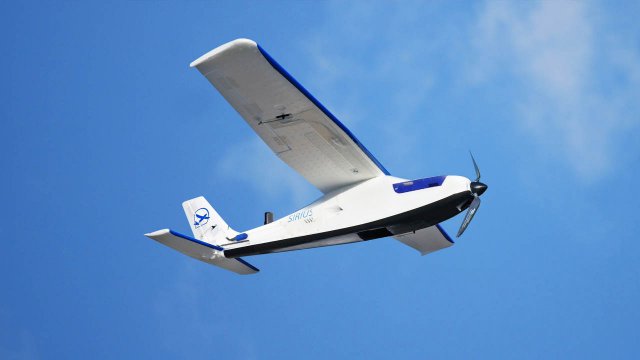 There are thousands of drone companies out there, but Intel has chosen to acquire MAVinci, a start-up from one of the European Space Agency’s business incubators in Germany that has developed an easy-to-use system for land surveillance.
X-Engine Offers Compact UAV Power
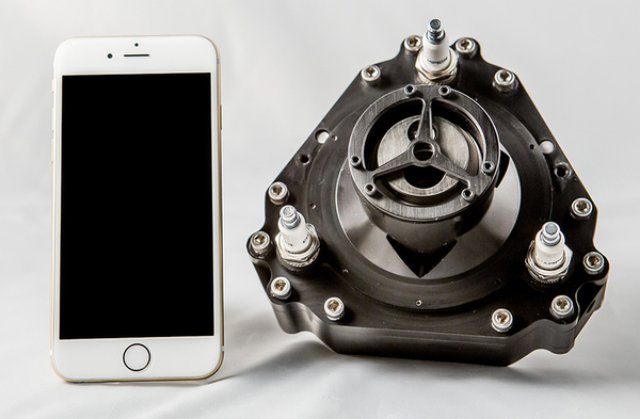
Military and other operators prefer using kerosene, rather than gasoline, across ground and air platforms, but lightweight, reliable heavy-fuel engines for unmanned aircraft systems have proved challenging to develop. Continue reading
Czech Republic’s Primoco Announces New UAV
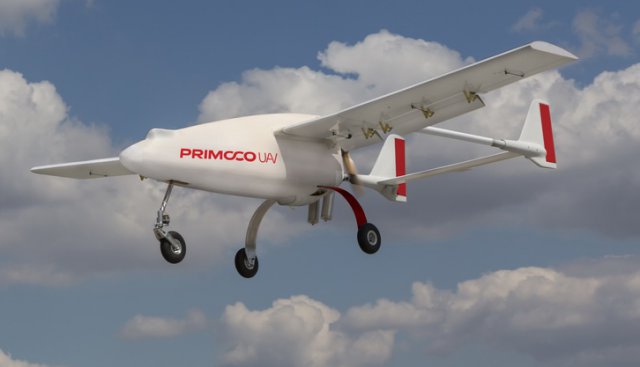 Primoco UAV SE, which this year started mass production of the One 100 with a maximum take-off weight of 100 kg, is coming out with a new model: One 150. The main difference from the One 100 is a completely new 50 HP engine, which allows the aircraft to reach a ceiling above 5,000 metres (FL150) and an increased amount of useful load.