

Urban canyons—with their high vertical structures, tight spaces, and limited lines of sight—constrain military communications, mobility, and tactics in the best of times. These challenges become even more daunting when U.S. forces are in areas they do not control—where they can’t rely on supply chains, infrastructure, and previous knowledge of local conditions and potential threats. Continue reading
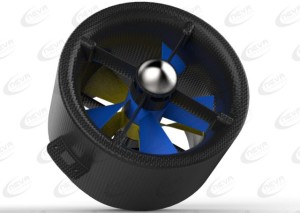
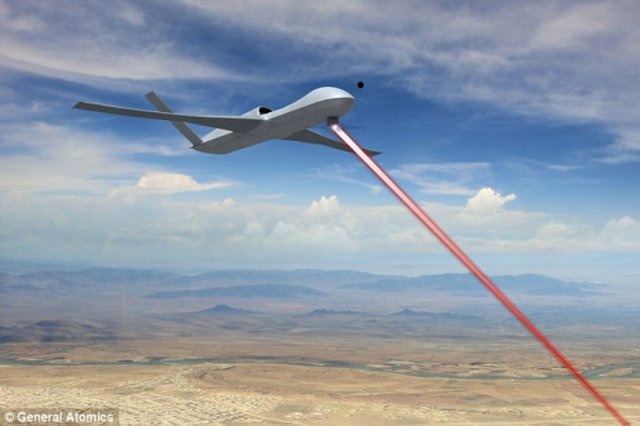 The US Air Force is increasing computer simulations and virtual testing for its laser-weapons program to accelerate development and prepare plans to arm fighter jets and other platforms by the early 2020s.
 By 2050, it is estimated that there will be some 7 million consumer leisure drones in operation across Europe, including a fleet of 400 000 drones offering important services across the agricultural, energy, e-commerce, transport as well as public sectors.
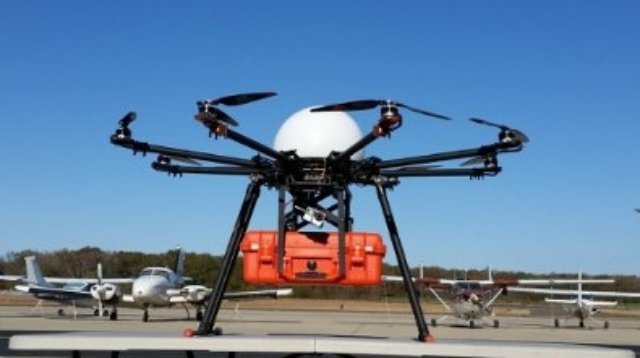 Two new disaster drones delivered tele-medical packages to victims and rescue personnel in a simulated mass casualty event last week at John Bell Airport in Bolton, Mississippi. The technology debuted before an audience including Mississippi Governor Phil Bryant and representatives from Homeland Security, Federal Law Enforcement Agencies, and the United Nations.