
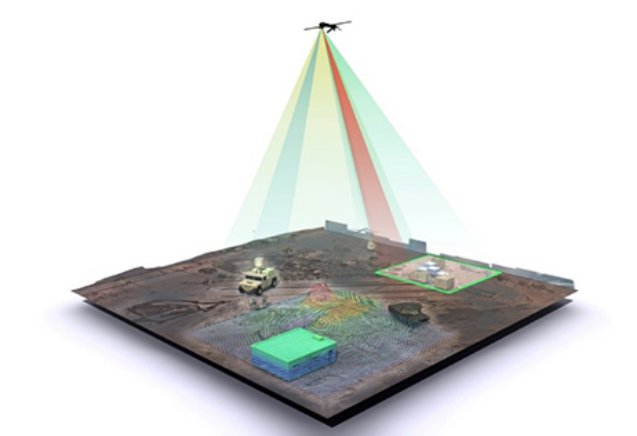
 By making a detector’s pixels smarter than ever, DARPA aims to lay the foundation for multi-purpose imaging sensors that behave like many types of eyes at once.
Category Archives: Research
University of Pennsylvania – Aggressive Flight 2017
This video presents an autonomous 250 g quadrotor performing aggressive maneuvers using a qualcomm snapdragon flight and relying only on on-board computation and sensor capabilities. The control planning and estimation tasks are solved based on the information provided by a single camera and an IMU. Continue reading
US Defense Innovation Unit-Experimental Now Open
US Secretary of Defense Ash Carter has announced that the Defense Department is expanding its technology startup DIUx, or Defense Innovation Unit-Experimental to Austin, Texas. DIUx was created to get new tech into the hands of our troops faster by changing the entire way DoD approaches innovation. Continue reading
Lockheed Martin & Warsaw University of Technology Partner to Demo UAV Optimization Tools
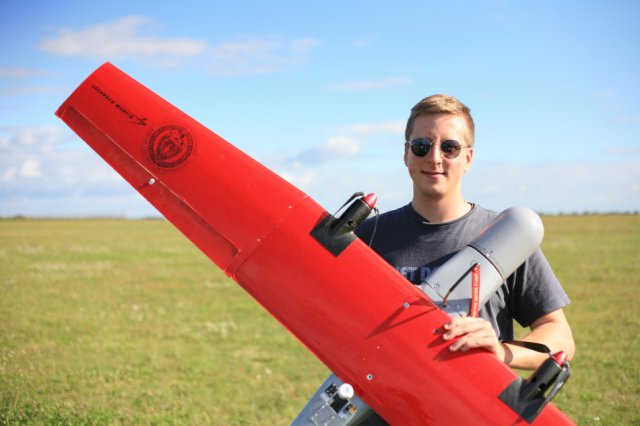 The Warsaw University of Technology (WUT) and Lockheed Martin successfully demonstrated their UAV optimization technologies using aerial command and control (C2) of multiple unmanned aerial vehicles (UAVs).
US Army Tests Chemical, Biological Sensor Integration
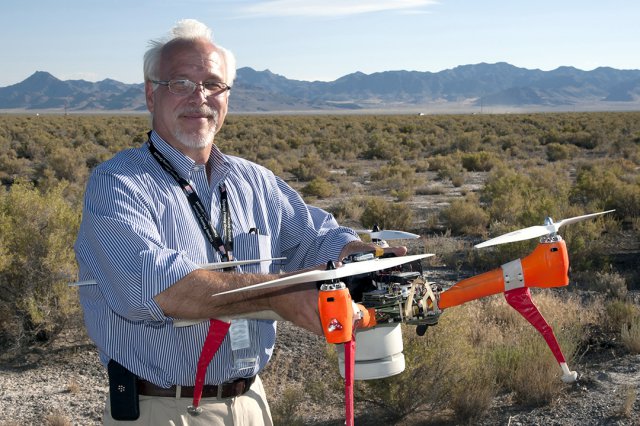 ECBC joined with technology developers from private industry and other Army and joint organizations to test a new integrated system of chemical and biological agent sensors Aug. 15 through 26 at Dugway Proving Ground’s West Desert Test Center in Utah.
Boeing’s Phantom Eye to become Museum Exhibit
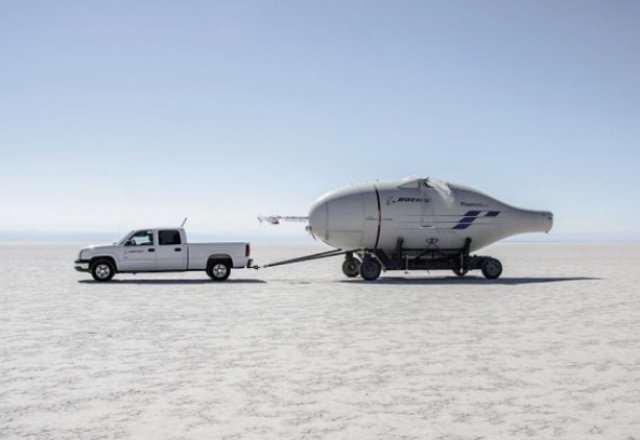 Boeing’s hope that the Phantom Eye high-altitude long-endurance unmanned aerial vehicle (UAV) might be returned to the skies has been ended with the disclosure by the US Air Force (USAF) that the sole prototype is to be sent to a museum instead.
Ultrathin Air-Stable Perovskite Solar Cells for Powering Unmanned Aircraft
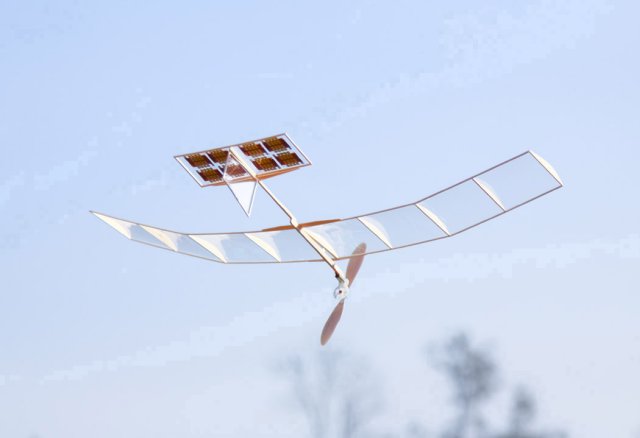 Plastic foil substrates and chromium oxide interlayers are used in a novel technology that combines high efficiency, low weight, and extreme flexibility in a single platform.
Octobot – First Autonomous Entirely Soft Robot
A team of Harvard University researchers with expertise in 3D printing, mechanical engineering, and microfluidics has demonstrated the first autonomous, untethered, entirely soft robot. This small, 3D-printed robot — nicknamed the octobot — could pave the way for a new generation of completely soft, autonomous machines.