In a recent study published in the journal Energies, researchers from Canada developed a 35 GHz microwave frequency-based, low-cost and compact wireless power transmission system for a 22-kW unmanned aerial vehicle (UAV). Continue reading
UAS VISION
an independent online news service for the Unmanned Aircraft Systems world
In a recent study published in the journal Energies, researchers from Canada developed a 35 GHz microwave frequency-based, low-cost and compact wireless power transmission system for a 22-kW unmanned aerial vehicle (UAV). Continue reading
MIT researchers have demonstrated diminutive drones that can zip around with bug-like agility and resilience, which could eventually perform these tasks. The soft actuators that propel these microrobots are very durable, but they require much higher voltages than similarly-sized rigid actuators. The featherweight robots can’t carry the necessary power electronics that would allow them fly on their own. Continue reading
Civil Unmanned Aerial Systems (UAS) will be the most dynamic growth sector of the world aerospace industry this decade as nations open their airspace, commercial applications take off, and civil governments adopt systems for new roles in border security and public safety. Continue reading
The Federal Aviation Administration (FAA) has awarded researchers at Embry-Riddle Aeronautical University $625,000 to enhance the safety of a new class of electric propulsion-powered aircraft. Continue reading

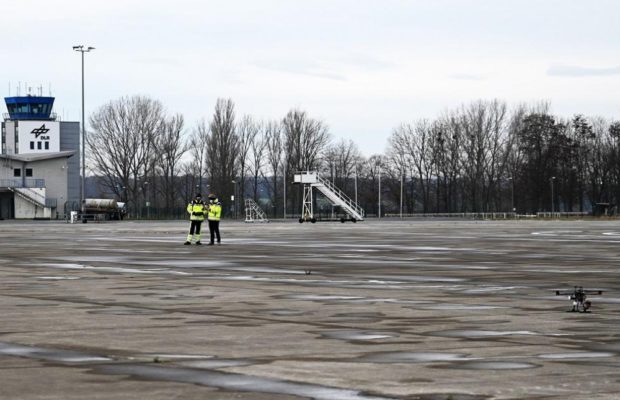
The frame of an unmanned aerial vehicle is installed at the end of a 180-foot-long chamber filled with fog at Sandia National Labs in Albuquerque, New Mexico
While the sun beat down on the New Mexico desert, inside, a dense fog hung in the air. In a special facility outside Albuquerque, a team of NASA researchers was working with the kind of fog that’s so thick you can’t see three feet in front of you. Continue reading
The Drone Flight Management System Market research report has been added to Technavio‘s catalogue. The market is anticipated to witness healthy growth at a CAGR of 30.47%. This growth can be attributed to increase in legal acceptance of drone operations for commercial applications. Continue reading
Like snowflakes, no two branches are alike. They can differ in size, shape and texture; some might be wet or moss-covered or bursting with offshoots. And yet birds can land on just about any of them. This ability was of great interest to the labs of Stanford University engineers Mark Cutkosky and David Lentink – now at University of Groningen in the Netherlands – which have both developed technologies inspired by animal abilities. Continue reading
Researchers at Caltech have built a bipedal robot that combines walking with flying to create a new type of locomotion, making it exceptionally nimble and capable of complex movements. Continue reading