Category Archives: Regulatory Matters

South African CAA Approval Not Necessary for UAS at Africa Aerospace and Defence Exhibition

AAD

South African defence industry companies such as Denel and Paramount Group along with foreign manufacturers of unmanned aerial vehicles (UAVs), also known as unmanned aerial systems (UAS), wanting to fly them at Africa Aerospace and Defence (AAD) later this year will only have to obtain military permission. Continue reading
CAA Gets First UK Conviction for Dangerous UAS Flying


A TV-repair shop owner who has become the first person convicted in the UK for “dangerously” flying a UAS says the fine and legal costs will bankrupt him. Robert Knowles, 46, of Barrow-in-Furness, was fined £800 and ordered to pay costs of £3,500 at the Furness and District Magistrate court on Tuesday after being prosecuted by the Civil Aviation Authority (CAA). Continue reading

South African Civil Aviation Authority to Crackdown on Illegal UAS Flying

The South African Civil Aviation Authority (SACAA) is set to clampdown on the illegal flying, in civil airspace of Unmanned Aircraft Systems (UAS) or Unmanned Aircraft Vehicles (UAV), as normally referred to. The move was prompted by recent reports that purported that there are individuals and/or organisations that are already operating or intending to operate UAS in the South African civil aviation airspace. Continue reading

Colorado Start-Up and City Council Apply for CoA

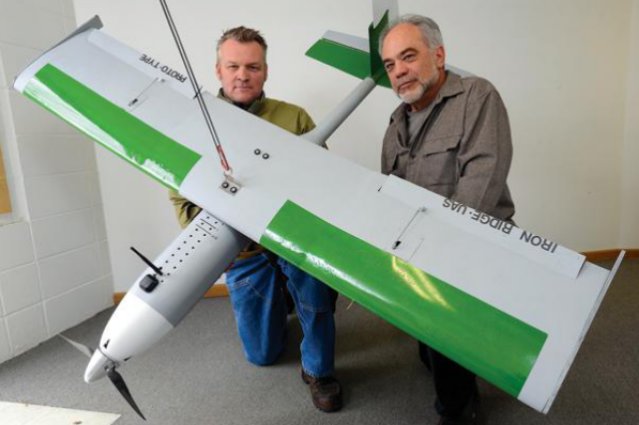
Iron Ridge

Colorado start-up company Iron Ridge UAS sees UAS technology as a huge opportunity economically. And it intends to position itself to be a leader in the industry by the time the Federal Aviation Administration issues its rules governing commercial UAS use in a few years. Which is why Iron Ridge appeared before the Airport Advisory Board  and the Longmont City Council. Continue reading

FAA Awards UAS Research Grant to Rutgers University

The Federal Aviation Administration awarded Rutgers University a contract to develop UAS, currently used by the military, for civilian use. The research will be ongoing over the next several years, he said. The FAA plans to take the results from the first phase of the project and present them to Congress in order to create more concrete parameters for the system designs. Continue reading