
Queensland University of Technology researchers have developed an innovative method for detecting koala populations using drones and infrared imaging that is more reliable and less invasive than traditional animal population monitoring techniques. Continue reading
Category Archives: Non-Military & Commercial UAS
Chula Vista – A Launchpad for Drone and AV Innovation

The Californian City of Chula Vista is inviting the private sector to propose projects, partnerships and pilot programmes to test drones and autonomous vehicles (AVs). Continue reading
FlytBase & Skysense Partner to Bring Automated Drone-in-a-Box Solution
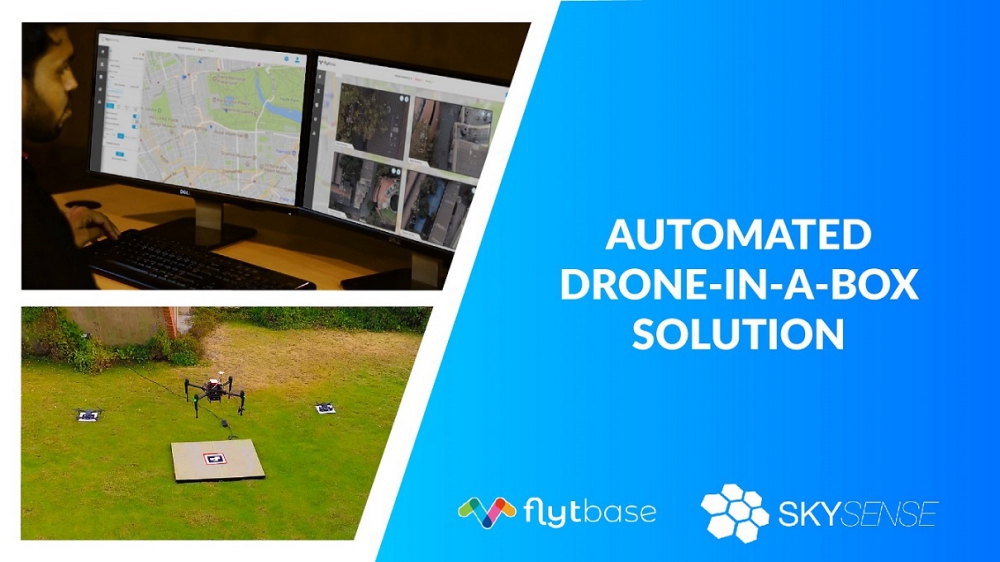
FlytBase, Inc. and Skysense, Inc. have just announced a partnership to bring fully-automated, low-cost drone-in-a-box solution to the market and help customers scale their commercial drone deployments. Continue reading
Thales and Telstra Team on Low Altitude Airspace Management
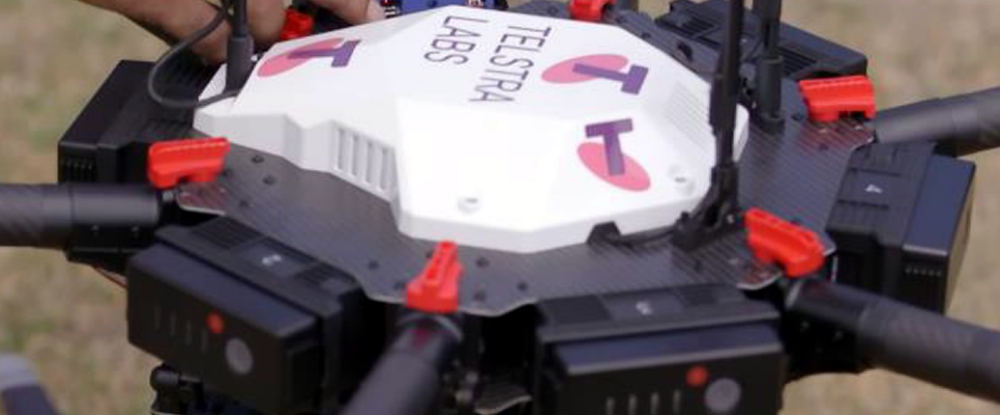
Thales and Telstra combine their expertise with a view to building a robust, safe and secure ecosystem that will enable the management of low altitude airspace for manned and unmanned aerial vehicles (UAVs). Thales and Telstra have jointly prototyped a data and communication solution to prepare the way for the integration of manned and unmanned traffic in Australian skies. Continue reading
Schiebel Camcopter Successful Flight Trials in Nigeria
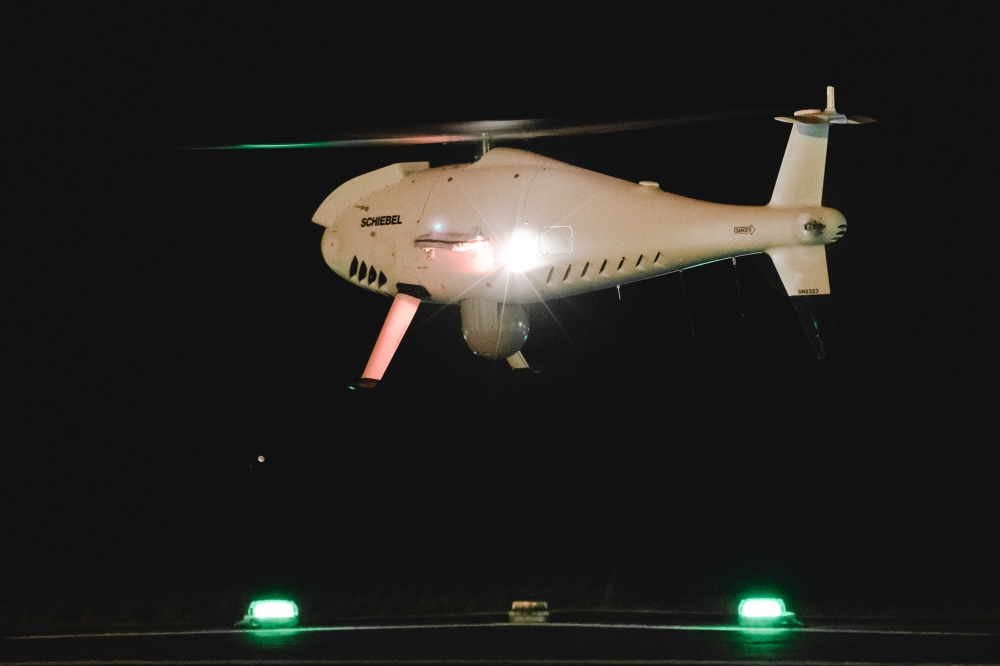
Schiebel’s CAMCOPTER S-100 Unmanned Air System (UAS) demonstrated its outstanding capabilities to a large European oil and gas corporation during demanding trials in Rivers State, Nigeria, from 27 to 30 January 2019. Continue reading
Real-Time Data on Methane Leaks
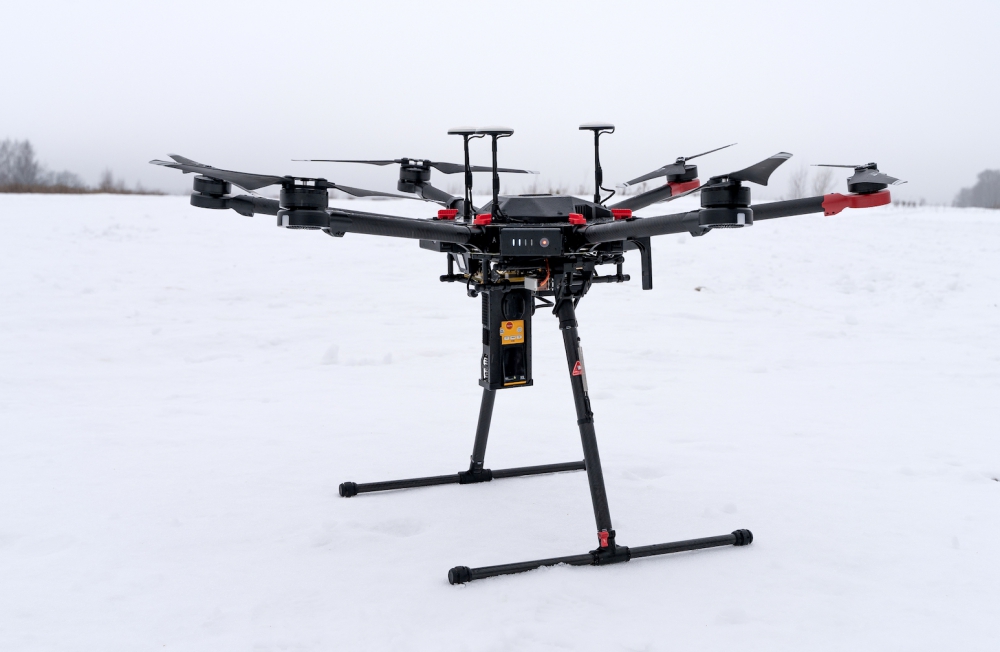
The second-generation Laser Methane Copter by SPH Engineering and PERGAM transfers high-precision data on the go. This solution answers the need for a safer ready-to-use drone-based detecting system for every company that produces, transfers or uses methane. Continue reading
Rakuten and JD.com to Collaborate to Create Unmanned Delivery Solutions in Japan
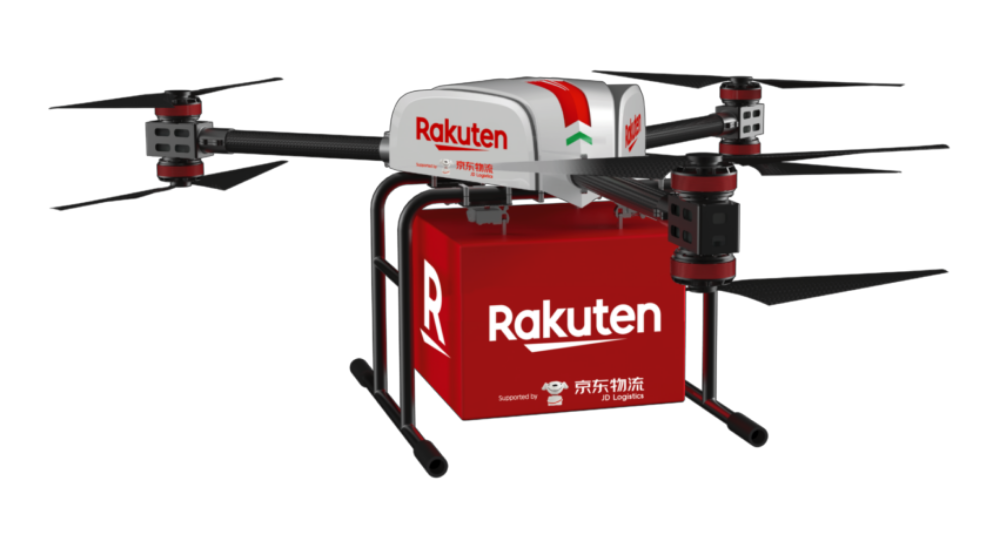
Rakuten, Inc., a leading global innovation company in e-commerce, communications and fintech, and JD.com, China’s largest retailer, have signed an agreement that will see JD.com’s drones and unmanned ground vehicles (UGVs) utilized in Rakuten’s unmanned delivery solutions in Japan. Continue reading
Frontex Begins Testing RPAS for Border Surveillance

Frontex, the European Border and Coast Guard Agency, has begun testing the use of Remotely Piloted Aircraft Systems (RPAS) in Greece, Italy and Portugal to monitor the European Union’s external borders. Continue reading