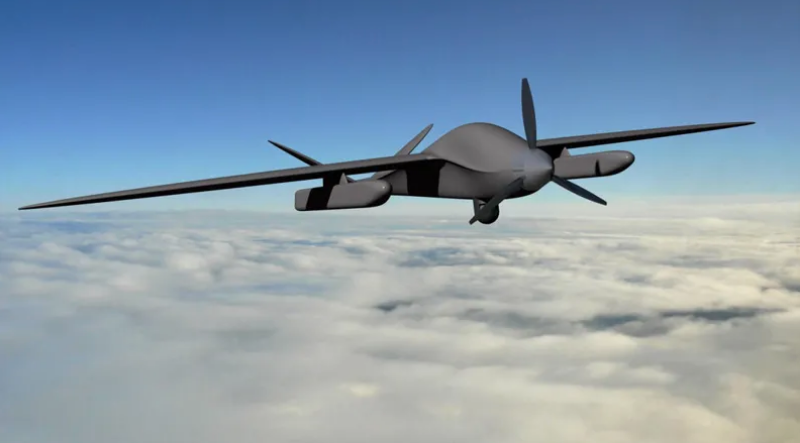
Tbilisi-based aviation plant TbilAviaMsheni (TAM) is developing Georgia’s first surveillance and strike unmanned aircraft system – the”T-31″ drone project for various military missions. Continue reading

UAS VISION
an independent online news service for the Unmanned Aircraft Systems world
Tbilisi-based aviation plant TbilAviaMsheni (TAM) is developing Georgia’s first surveillance and strike unmanned aircraft system – the”T-31″ drone project for various military missions. Continue reading
The UK Royal Marines have tested “game-changer” drone technology as they develop Future Commando Force capabilities on the Cyprus shores. Continue reading

AeroVironment, Inc. announced that it had completed its acquisition of Arcturus UAV, Inc. a designer and manufacturer of high-performance unmanned aircraft systems (UAS). The approximately $405 million transaction was previously announced in January 2021. Continue reading
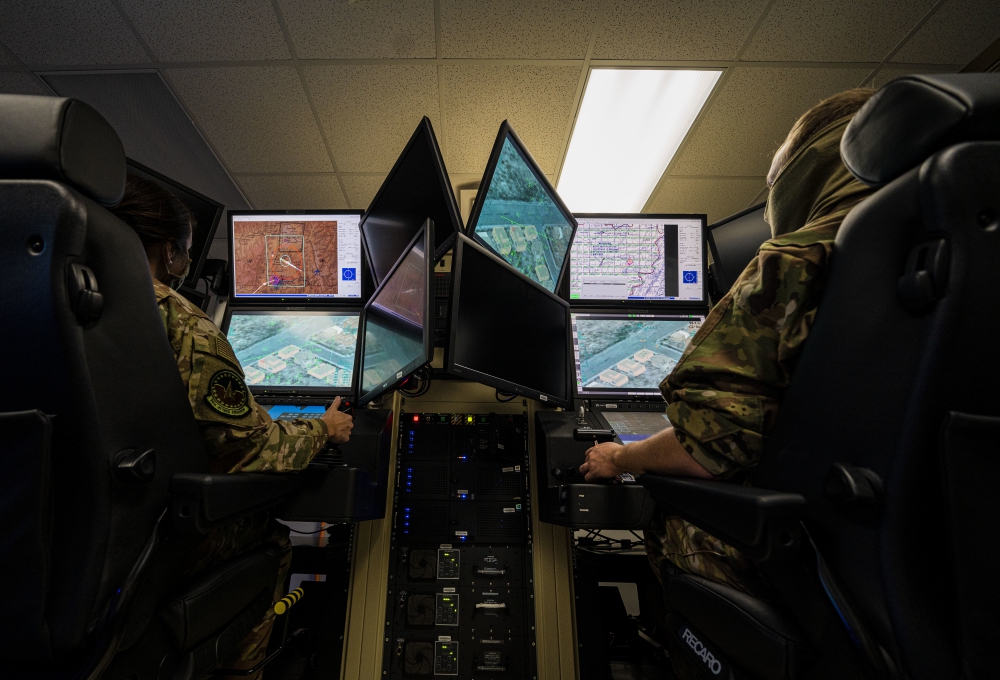
Capt. Sophie, left, 20th Attack Squadron pilot, and Staff Sgt. Timothy, 20th ATKS sensor operator, fly a sortie via simulator at Whiteman Air Force Base, Mo., Nov. 20, 2020
The 25th Attack Group began flying the first active-duty operated U.S. Air Forces in Europe MQ-9 Reaper sorties in Romania via remote-split operations as of Feb. 1. Continue reading
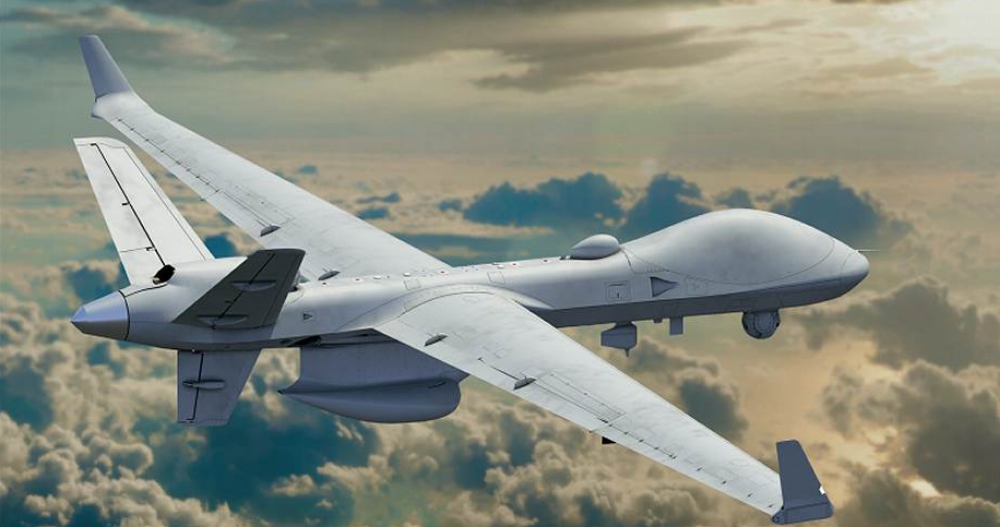
General Atomics, Aeronautical Systems Inc., Poway, California, is awarded an $11,155,719 firm-fixed-price modification (P00012) to previously awarded contract N00019-18-C-1063. Continue reading

A 1-ton Silent Arrow Autonomous Cargo Delivery Aircraft with Wings Cocked and Fuselage Loaded is Prepared for Loading Onto a Deployment Aircraft at Silent Arrow’s Flight Test Center, Pendleton Oregon
Silent Arrow has announced the United States Air Force has awarded contract FA864921P0478 entitled “Feasibility of Downsizing and Adapting Commercial Silent Arrow Cargo Delivery UAS to Meet Specific AFSOC Operational Requirements” to the company effective February 5, 2021. Continue reading
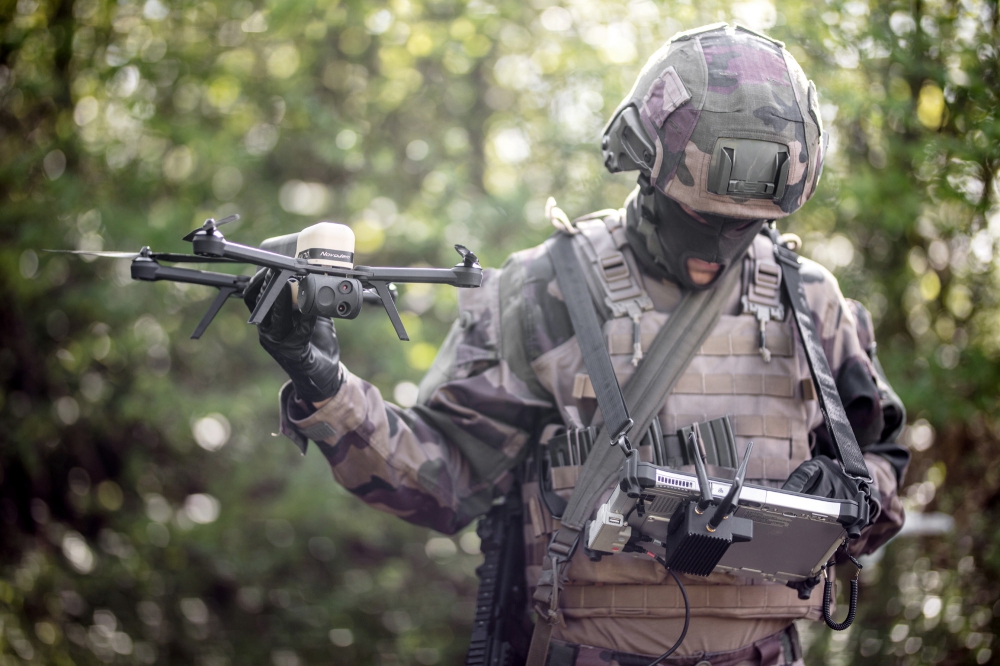
NX70 drone system
Aix-en-Provence-based NOVADEM, has received at the end of 2020, from the France’s Defence Procurement Agency (DGA) a new order for about fifty more micro-drones NX70. Continue reading

Over 20 Israelis, including former employees of Israeli defense firms, have been investigated for illegally selling weapons to U.S. rival in Asia. Continue reading