General Atomics Aeronautical Systems, Inc. has announced that its Lynx Multi-mode Radar success- fully demonstrated the ability to support maritime operations in a littoral environment during the recent U.S. Navy Exercise Spearhead IIA held off the coast of Key West, Fla., in June. Continue reading
Category Archives: Applications & Testing & Experience
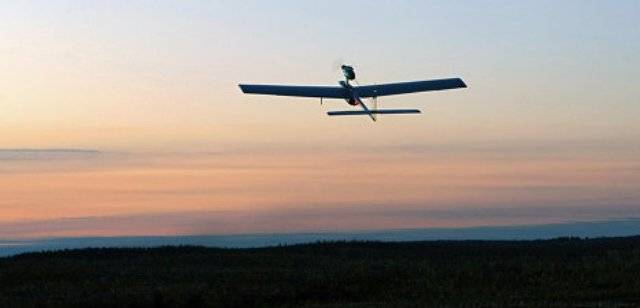
Puma Makes USCG Icebreaker Landing
US Air Force Test Wing Gets Global Hawk for Software Testing
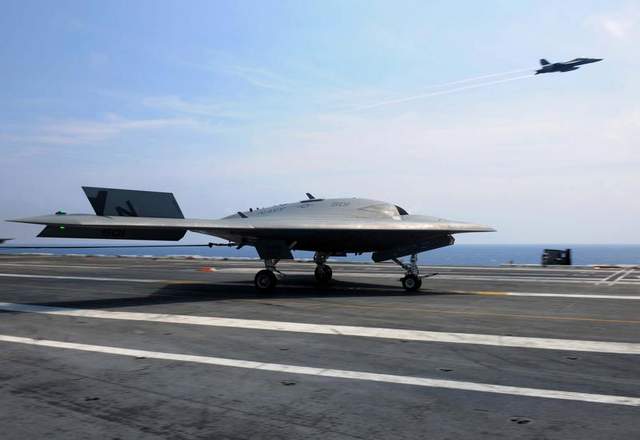
The 412th Test Wing’s Global Vigilance Combined Test Force received a Global Hawk Block 40 Aug. 6, on loan from Air Combat Command. The aircraft, from Grand Forks Air Force Base, North Dakota, is joining the Block 20 and 40 aircraft at Edwards AFB to offer an additional platform for configuration-constrained testing, allowing the test force to balance their schedule. Continue reading
Scion UAS Demonstrates Autonomous Takeoff and Landing from a Moving Platform
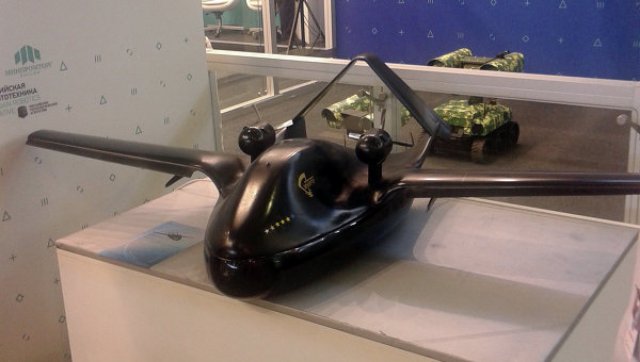
Afghan Man Develops UAS
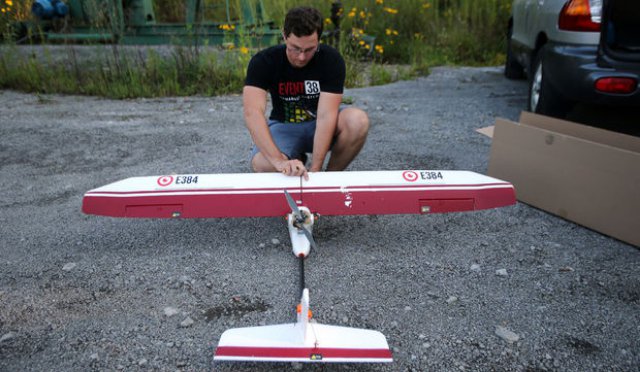
An Afghan engineer has developed different types of unmanned aerial vehicle – drone and another aircraft which can be flown by a pilot.The aircraft developed by Engineer Zmarai Helali are operated with fuel and electricity energy, and have been made by ordinary elements such as wood, clothes and electrical devices.
Wind Tunnel Tests for UAVs in San Diego
The San Diego Wind Tunnel has been used to develop technologies in aerospace and Olympic sports for more than six decades. Two local companies, Aerial Mob and 3D Robotics recently used it to test their unmanned aerial vehicles. Continue reading
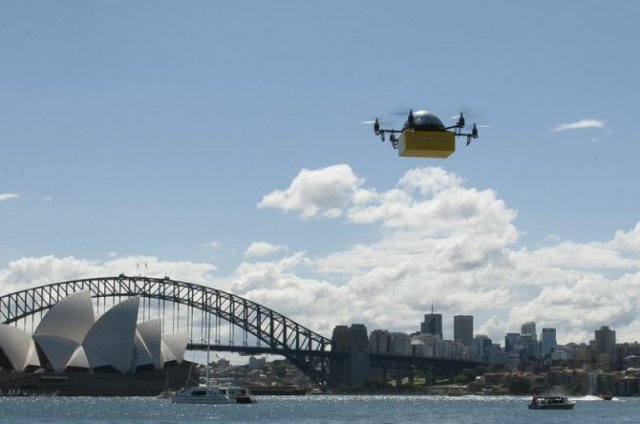
Amazon May Test UAS Deliveries in India
India, not US, will be the launch-pad for Amazon’s plan to deliver packages using drones, or unmanned aerial vehicles, according to two people aware of the development. The US-based e-tailer will debut its drone delivery service with trials in Mumbai and Bangalore, cities where it has warehouses, the sources said on condition of anonymity.
First BLOS Flight at Spanish Test Centre
Spain’s Air Traffic Laboratory for Advanced Systems (Atlas) experimental test centre on August 20 hosted the first flight of a remotely piloted aircraft system (RPAS) beyond visual line of sight since new rules governing RPAS entered force in that country. Pilots with the Centre for Advanced Aerospace Technologies flew the Viewer aircraft, a 33-pound mtow electric airplane, more than 8 km (4.9 miles) from the center’s facilities in Villacarrillo and up to 3,300 feet above sea level.