
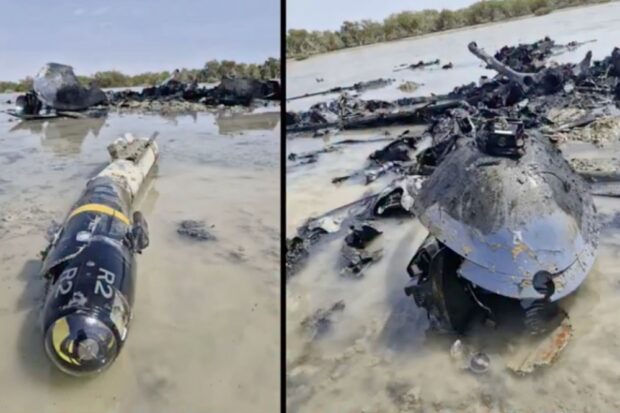
U.S. officials have confirmed that at least 16 MQ-9 Reaper drones have been lost during ongoing operations involving the United States and Iran, highlighting a shift in how unmanned systems perform against increasingly capable air defences.
The MQ-9, widely used for surveillance and strike missions, has been operating in contested airspace, where evolving Iranian air defence systems are posing greater risks. Some losses have reportedly occurred near central regions such as Isfahan, prompting analysts to question the viability of deploying large, relatively high-value drones in heavily defended environments.
Reapers have been used for deep-penetration missions, gathering intelligence and supporting broader air operations. While less costly than manned fighter aircraft, they are not expendable assets, and their loss still represents a significant operational and financial impact. Their use, however, avoids risking pilot lives.
The recent losses follow earlier attrition, including more than 10 MQ-9s reportedly downed during U.S. operations against Houthi forces in Yemen since late 2023, underscoring a broader trend of vulnerability in contested theatres.
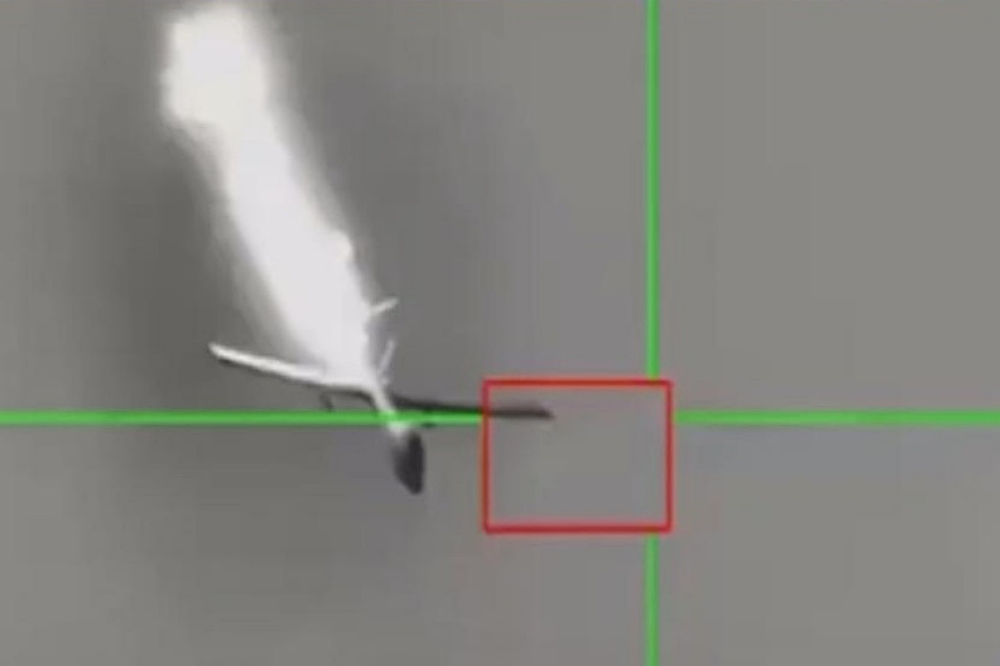
Reports of additional aircraft losses, alongside claims of effective use of infrared-guided short- and medium-range air defence systems by Iranian forces, point to increasingly sophisticated countermeasures against both crewed and uncrewed platforms. Other systems, including Israeli Heron and UAE Wing Loong II drones, have also reportedly been lost in similar roles.
The scale of attrition may affect export timelines, with reports suggesting delays to planned deliveries of MQ-9s to international partners as the U.S. prioritises replenishing its own inventory.
These developments are expected to intensify calls for a next-generation successor to the MQ-9, with improved survivability, including reduced radar and infrared signatures for operations in contested airspace.
Sources: Defense Media; Military Watch Magazine