
Xavier de la Rue has been a pro snowboarder since he was 17 and has been world champion seven times. Although he still boards, de Le Rue’s life has recently taken a different course, he tells the audience at the Pioneers Festival in Vienna. He is now also a filmmaker, an inventor and a tech entrepreneur. Continue reading
Camcopter Helps Save 2800+ Refugees in Mediterranean
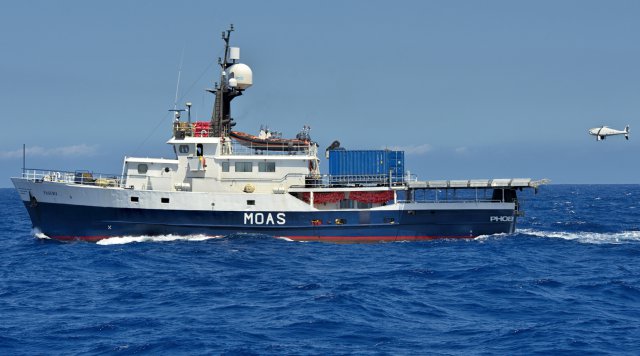 As part of the Migrant Offshore Aid Station (MOAS) operation Schiebel’s CAMCOPTER S-100 UAS (Unmanned Air System) helped to save the lives of over 2800 refugees in the Mediterranean Sea during several missions.
Alaska Researchers use HexaCopters to Find Hibernating Bears
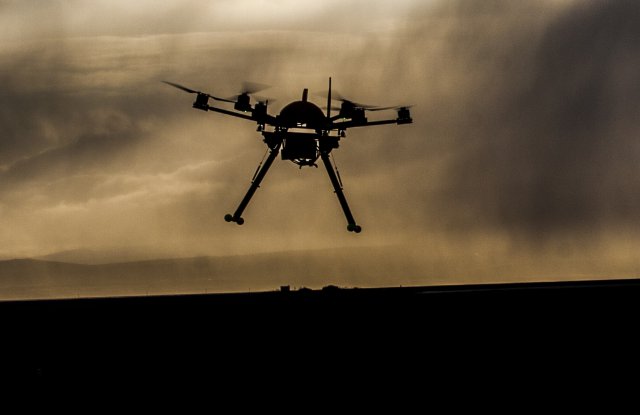
For the first time, Alaska researchers plan to use hexacopters with thermal cameras to detect hibernating polar bears and grizzly bears on the North Slope. The University of Alaska Fairbanks team is working without dedicated funding, but is seeking industry support for the project. For now, they’re relying on UAF resources like the Alaska Center for Unmanned Aircraft Systems Integration. Continue reading
Elop’s New Miniature Laser Designator for UAS
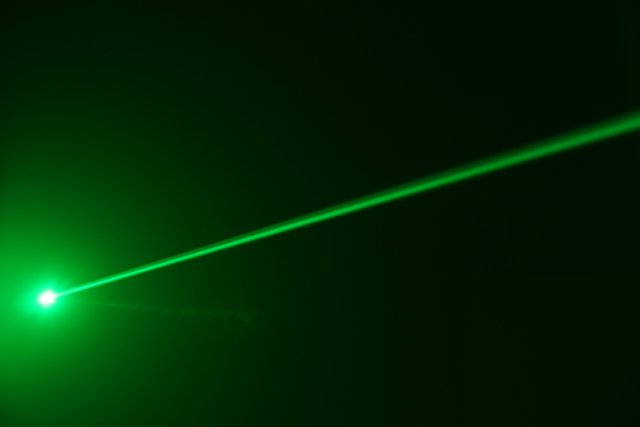
Elbit Systems’ Elop subsidiary has unveiled what it claims is the smallest laser designator that can be carried by a mini-unmanned air vehicle. Continue reading
Virgin SpaceShip Crash Kills Test Pilot
The first sign there was a problem Friday with Virgin Galactic’s SpaceShipTwo came at about 45,000 feet, just two minutes after the spaceplane separated from the jet-powered aircraft that carried it aloft, officials said. Continue reading
HexaCopter Performs Weightless dance
English electronic trio Marconi Union enlisted Richard Johnston to create the video for their song “Weightless,” yielding a hallucinatory robot ballet that’s surprisingly mellifluous. Continue reading
Hawaii University Uses UAS to Map Lava Flow
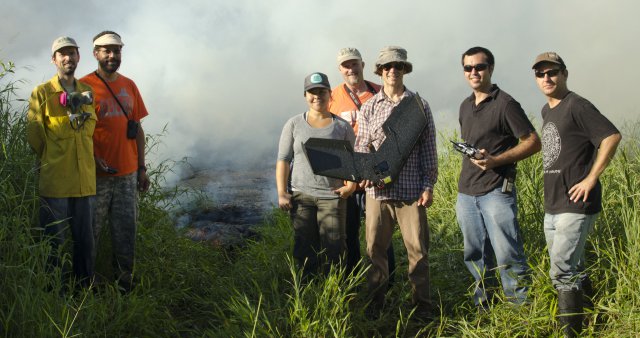 Researchers from the University of Hawaiʻi at Hilo successfully mapped the active flow front of the June 27, 2014 Kilauea lava flow on Hawai‘i Island with an unmanned aerial vehicle (UAV) on October 22. In a collaborative partnership with Hawai‘i County Civil Defense and the U.S. Geological Survey Hawaiian Volcano Observatory, the flight team from the UH Hilo Spatial Data Analysis and Visualization (SDAV) Laboratory used a Sensefly SwingletCAM with a visible camera to collect high resolution stills later merged into a mosaic for use by Civil Defense emergency planners.
Airbus & DCNS to Develop Ship-Based Tanan
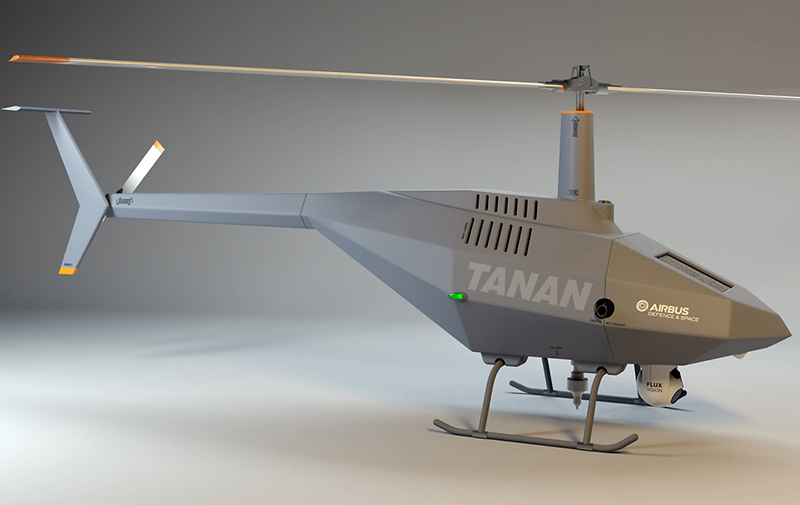
Airbus Defence and Space and DCNS have signed a cooperation agreement to develop a ship-based variant of Airbus DS TANAN unmanned helicopter Unmanned Aerial System. TANAN has been developed to address the naval sector’s specific requirements for an aircraft that would offer efficient integration onto all types of armed vessels. Continue reading