
The RAF received the first two Spitfires off the production line in July 1938, while the first Spitfire to enter squadron service was received by 19 Squadron in early August. Continue reading
Taiwan’s Defence Ability Bolstered by UAS
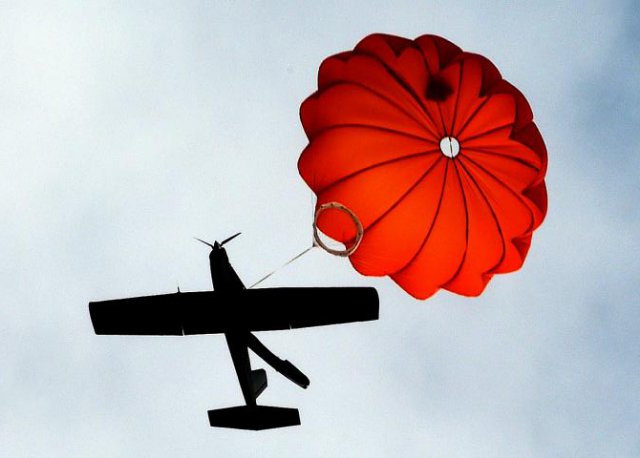
Taiwan’s defence and air reconnaissance capabilities have been significantly enhanced with unmanned aerial vehicles (UAVs) and other cutting-edge systems and devices, which were unveiled this week by the Chungshan Institute of Science & Technology (CSIST). Continue reading
Russian Missiles Shoot Down Ukrainian Surveillance UAS Over Crimea
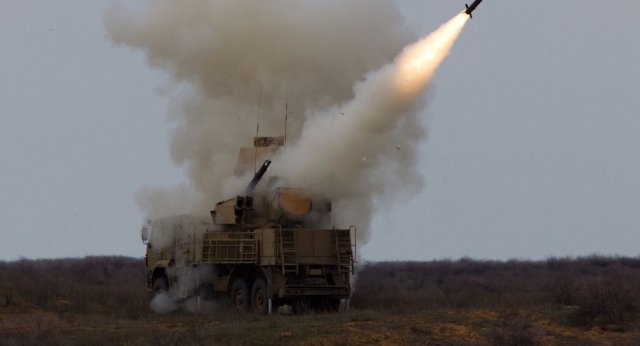 Russia has shot down several Ukrainian unmanned surveillance aircraft flying over the Crimean Peninsula from the North over the last month using Pantsir (Greyhound) surface-to-air missile systems, a Crimean military source told RIA Novosti on Tuesday.
Where you Can and Can’t Fly a Drone
 Thousands will receive drones as Christmas presents this year but, as a recent near-miss with an airliner shows, the authorities face a battle to stop them being used irresponsibly.
Comparing Traditional CSI Procedures with UAV Mapping
This experimental project was organised by the Royal Canadian Mounted Police and Pix4D, using UAV models from Draganfly and Aeryon Labs. The goal is comparing traditional CSI procedures with UAV mapping. Continue reading
AeroVironment Gets $4M Switchblade Contract Extension from US Army
 AeroVironment has been awarded a cost plus fixed-fee contract and options by the US Army for Switchblade tactical missile system support services. Awarded by the US Army Close-Combat Weapons Systems office, the $4.3m agreement increases the value of an existing contract to $63.8m.
X-47B to Begin Automated Aerial Refuelling Demonstrations Next Year
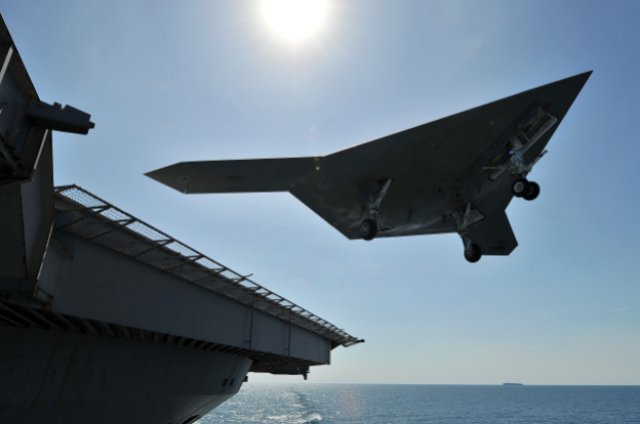
The US Navy’s carrier-based unmanned aircraft demonstrator is undergoing preparations for automated aerial refuelling testing next year, including a possible flight demonstration using the aircraft itself, said officials from the service and X-47B manufacturer Northrop Grumman.
Fire Scout Deployments Intensify
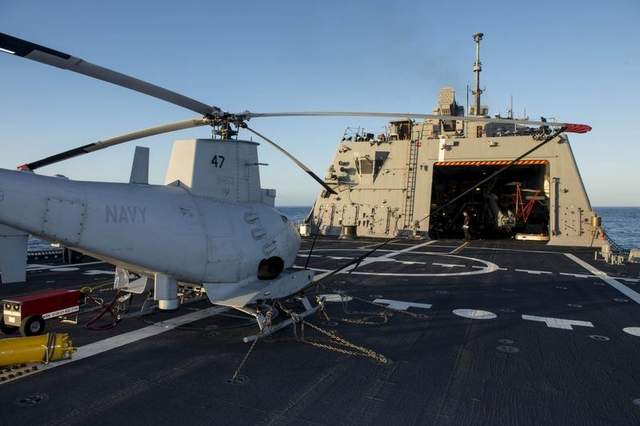 An entirely new level of activity is taking place right now with the US Navy’s Fire Scout unmanned helicopter programme — for the first time, Fire Scout will be at sea on at least four ships at the same time — and they’ll be different kinds of ships, and both aircraft variants will be active. Continue reading