
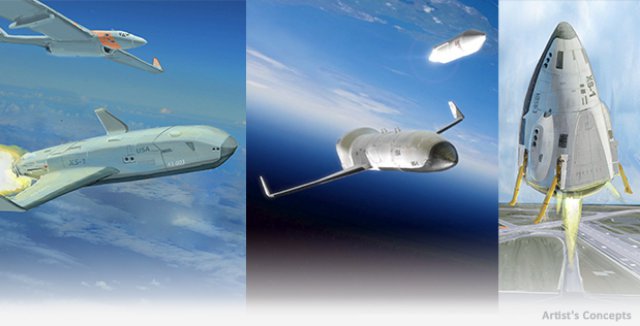
 In an era of declining budgets and adversaries’ evolving capabilities, quick, affordable and routine access to space is increasingly critical for both national and economic security. Current satellite launch systems, however, require scheduling years in advance for an extremely limited inventory of available slots. Moreover, launches often cost hundreds of millions of dollars each, due in large part to the massive amounts of dedicated infrastructure and large number of personnel required. DARPA created its Experimental Spaceplane (XS-1) program to help overcome these challenges and create a new paradigm for more routine, responsive and affordable space operations, reducing the time to get capabilities to space.
AOPA Supports Uniform UAS Regulation

AOPA and nine other aviation groups signed a letter opposing a proposed amendment to the U.S. Senate’s FAA Reauthorization Act that would do away with federal preemption in the integration of unmanned aircraft systems (UAS) into the National Airspace System. Continue reading
US Navy’s Solar Drone Lands on Water
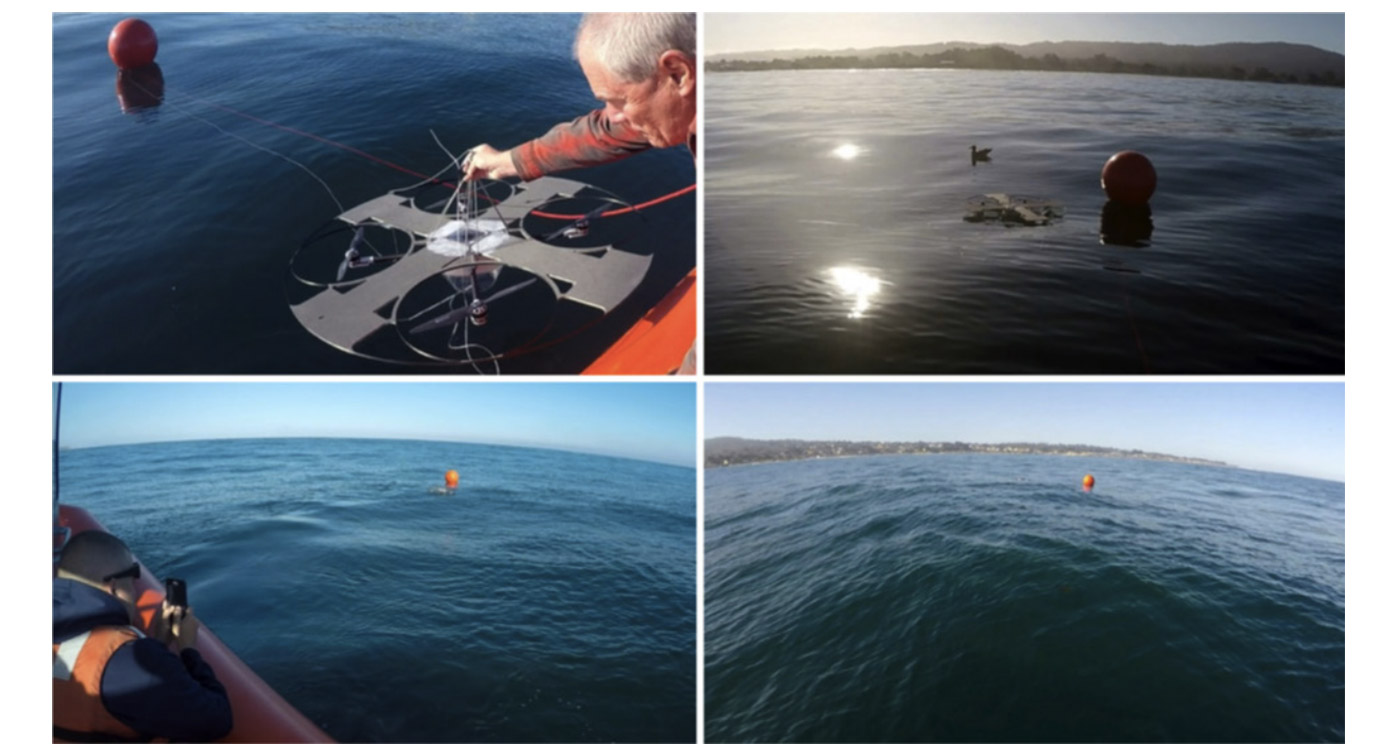 Unlike most quadcopters, the Aqua-Quad doesn’t take off from solid ground. Dr. Kevin Jones and his team from the Naval Postgraduate School developed it to fly straight up from the ocean or any body of water. And it can land back on water after it has fulfilled its mission, staying on or under the surface until it’s deployed again. Continue reading
US Army Successfully Fires Stinger from New Launcher
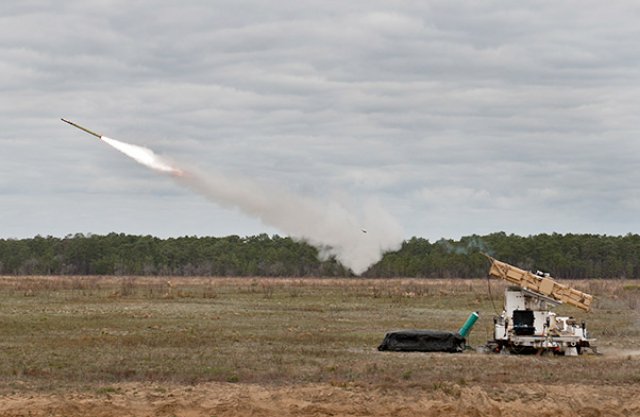 The U.S. Army successfully fired a Stinger missile from its newest launch platform, at Eglin Air Force Base, Florida on March 23. The missile was fired as part of a demonstration of the Army’s new Indirect Fire Protection Capability Increment 2-Intercept platform’s multi-mission launcher.
Rafael Unveils Drone Dome Anti UAS Defence System
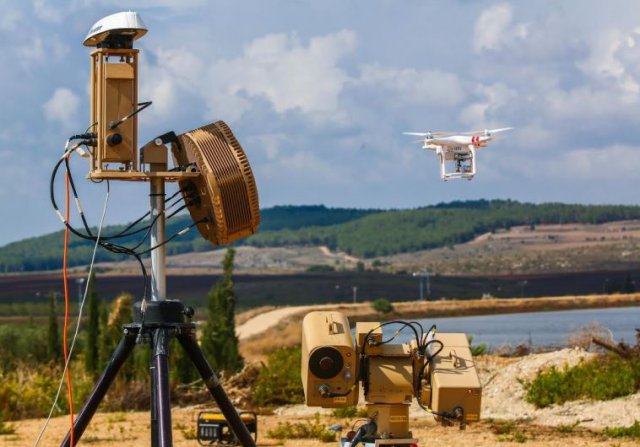 Israel’s Rafael Advanced Defense Systems this week unveiled its newest development, the Drone Dome defence system, design to intercept enemy unmanned aerial vehicles. Rafael is also the developer of the Israeli military’s highly successful Iron Dome missile defence system.
US Air Force Amends RPAS Pilots Status
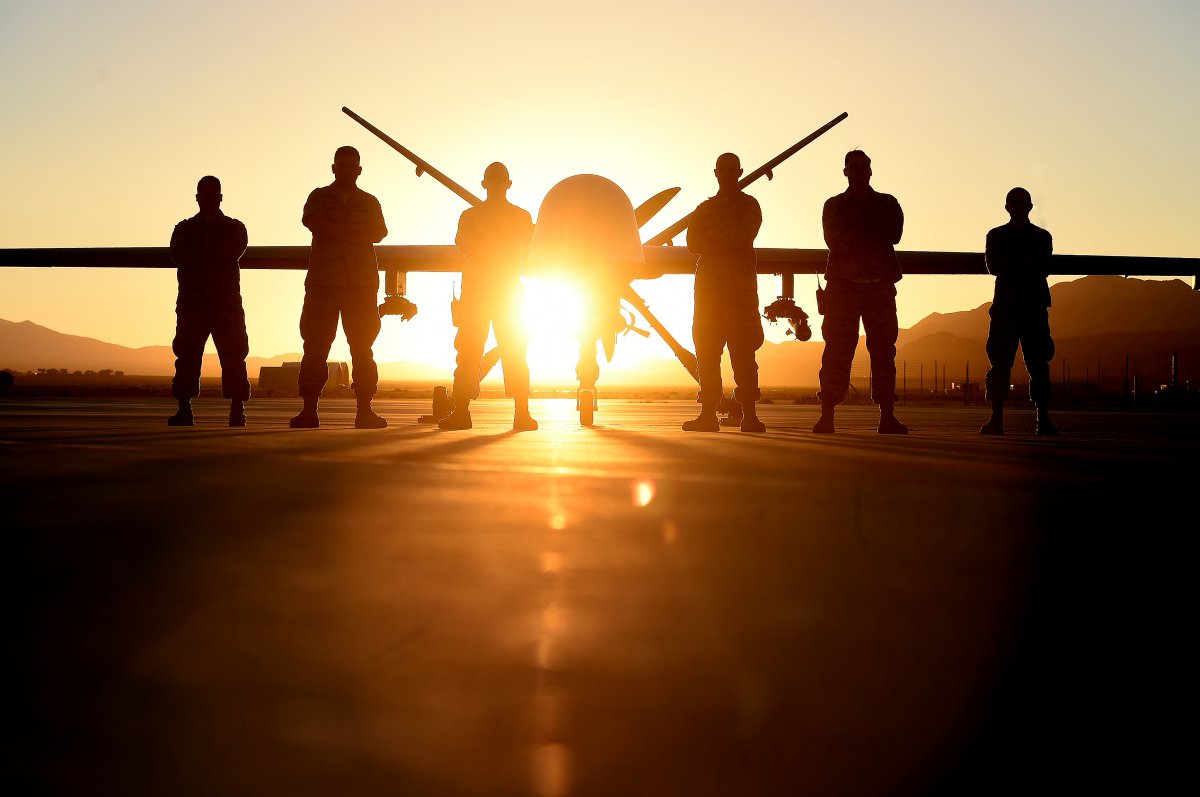 The US Air Force recently approved two initiatives for the remotely piloted aircraft career field. First, eight RPA reconnaissance squadrons will be redesignated as attack squadrons. Second, Air Force Chief of Staff Gen. Mark A. Welsh III authorized RPA aircrews to log combat time when flying an aircraft within designated hostile airspace, regardless of the aircrew’s physical location.
US Army Wants Drones as Scouts for Ground Vehicles
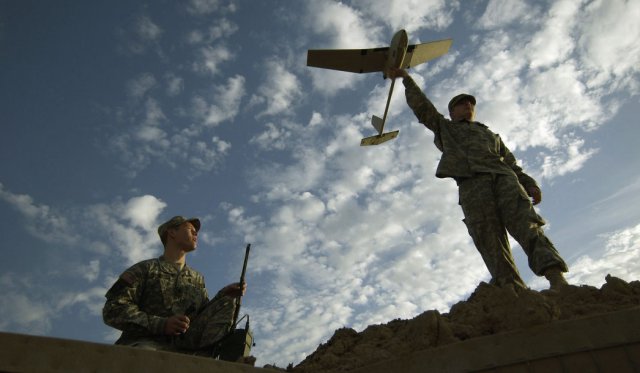
The US Army is looking to develop an autonomous unmanned aerial system that can act as a kind of scout for ground vehicles, following the road in front of the vehicle at a fairly low altitude while matching the vehicle’s speed, with the ability for ground crew to manually override the UAS controls when necessary. Continue reading
Bringing Aerial Technology to Emergency Providers
European Emergency Number Association (EENA) has announced that it is working with DJI to look for ways to integrate the use of drones into first-response missions. Based in Belgium, EENA is a non-governmental organisation that serves as a discussion platform for emergency services, public authorities and researchers to transfer knowledge and best practice to better serve the needs of the public. Continue reading