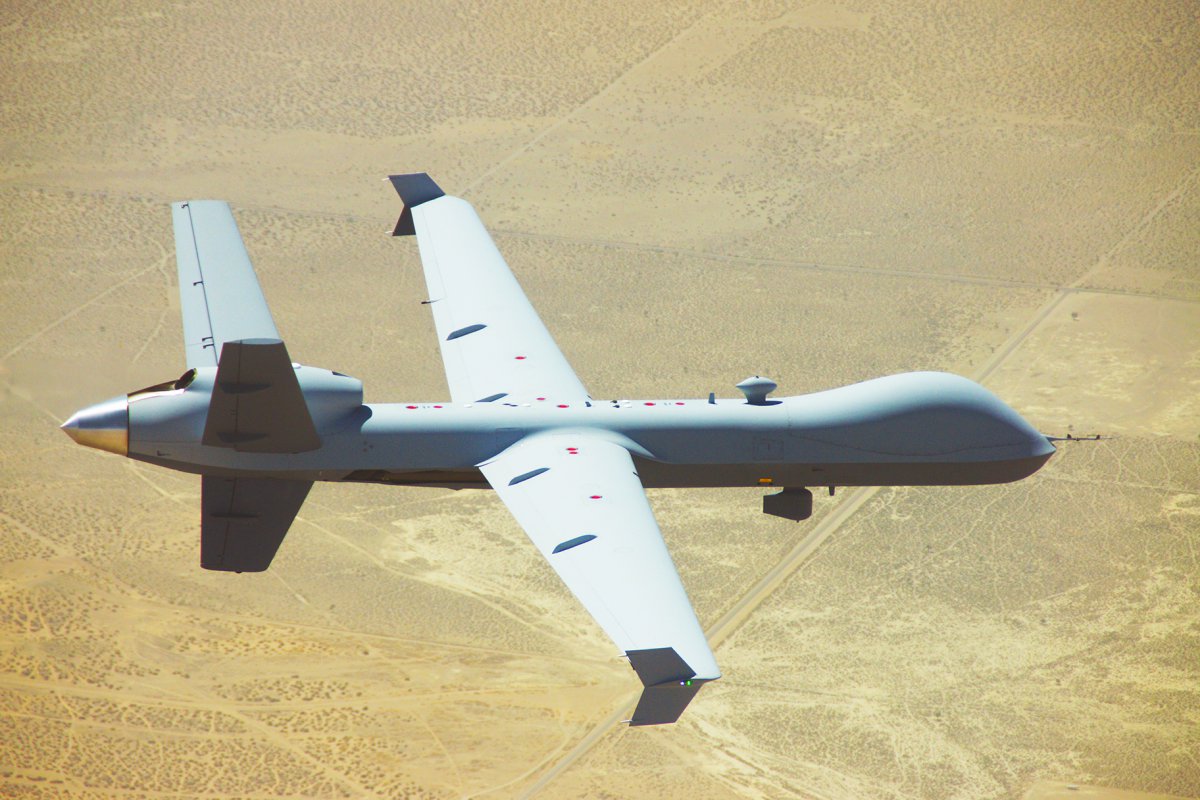
General Atomics Aeronautical Systems, Inc. (GA‑ASI), announced that it will have a significant presence at the upcoming ILA show in Berlin, Germany, June 1-4, including a full-scale, company-owned Predator B RPA. Continue reading

an independent online news service for the Unmanned Aircraft Systems world
General Atomics Aeronautical Systems, Inc. (GA‑ASI), announced that it will have a significant presence at the upcoming ILA show in Berlin, Germany, June 1-4, including a full-scale, company-owned Predator B RPA. Continue reading
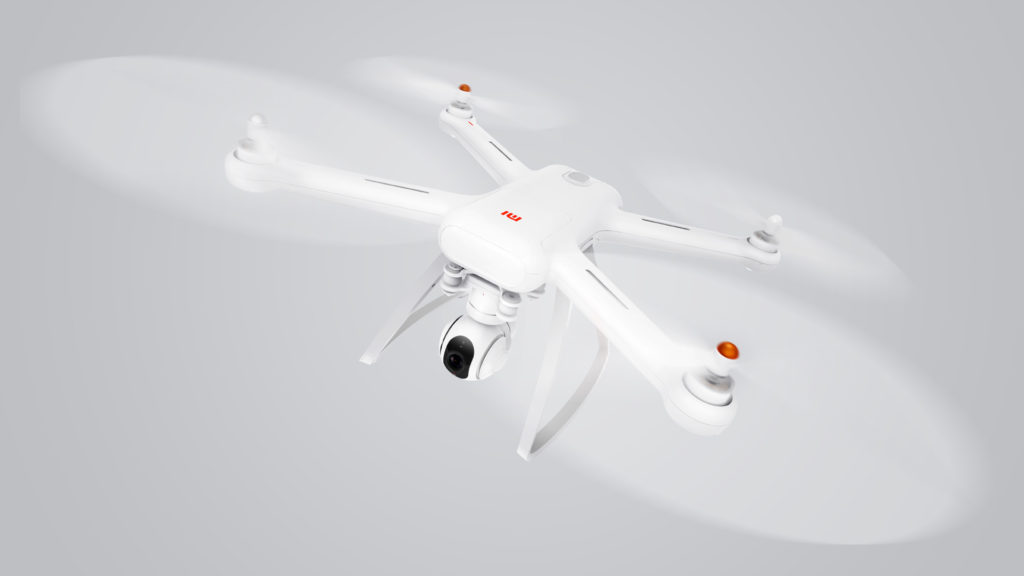 Xiaomi, a company best-known for producing surprisingly affordable, high quality smartphones you can’t buy in the US, has added to its roster a surprisingly affordable, (probably) high-quality drone—that you can’t buy in the US.
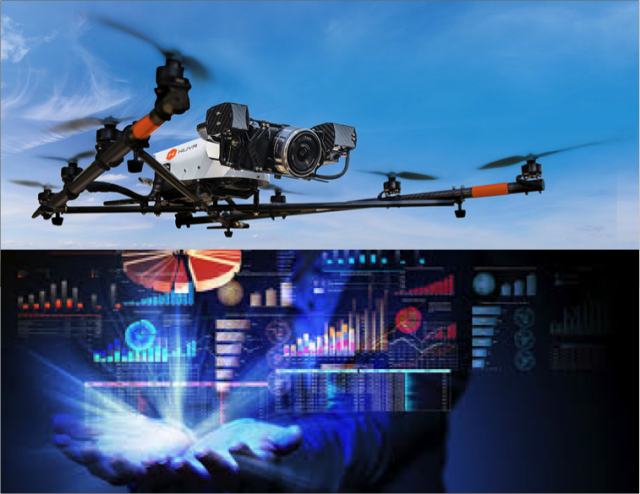 Two companies involved in aerial wind inspection services, HUVRdata, based in Austin, TX and EdgeData based in Grand Forks, ND, announced a collaboration to deliver a suite of wind industry data intelligence tools and credential processes to optimize the use of this technology within the wind industry.
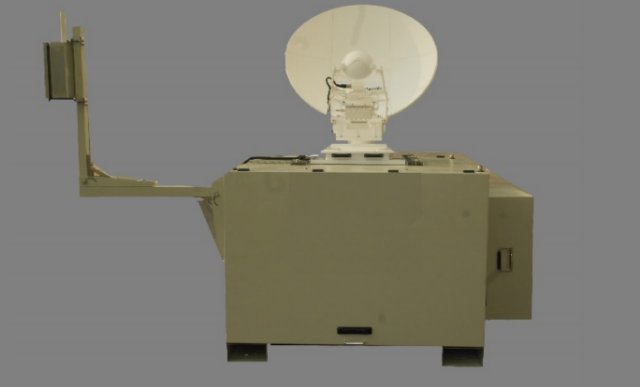 ST Electronics (Satcom & Sensor Systems) Pte Ltd, a manufacturer and supplier of VSAT products and solutions, has announced the release of the Agilis HALE UAV Communication Solution. The new solution is a fully integrated, highly efficient, low latency ground infrastructure for High Altitude Long-Endurance (HALE) Unmanned Aerial Vehicles that can deliver satellite connectivity around the globe.
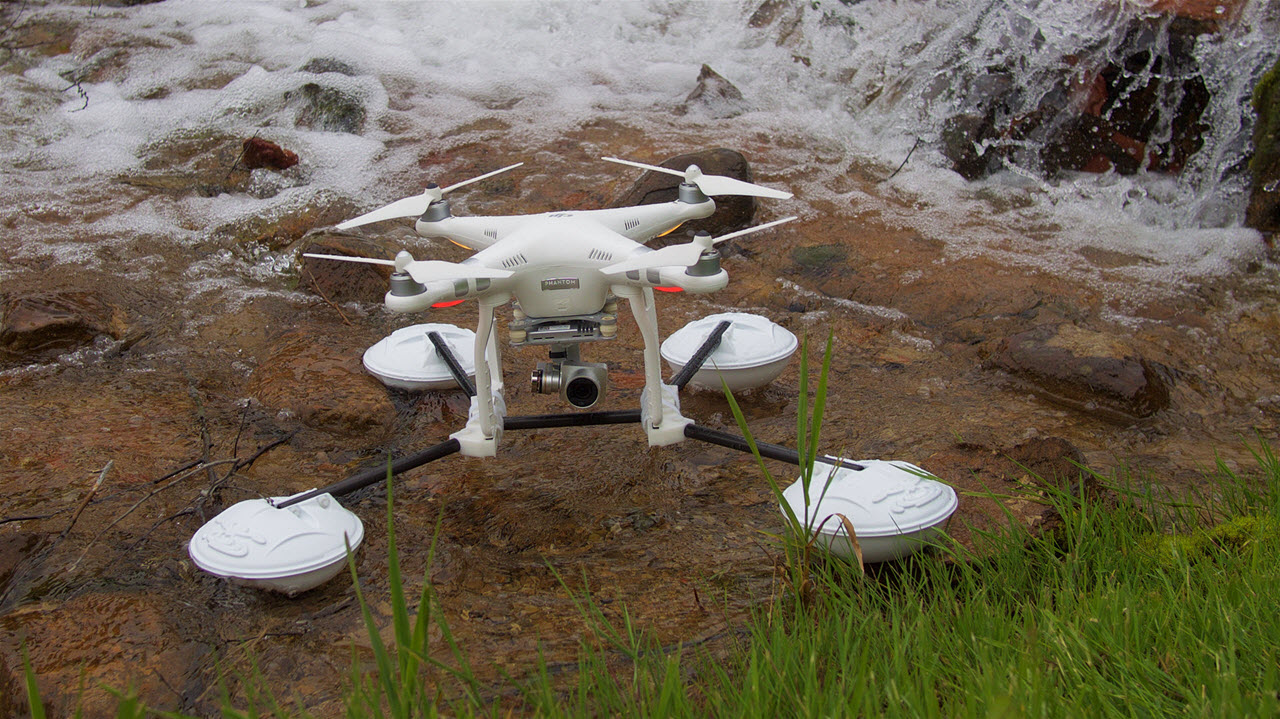 DroneRafts LLC has developed the Patent Pending WaterStrider which bridges the gap between land and water; allowing operators to take their UAV wherever they want to go and liberating them from the concern of where to land.
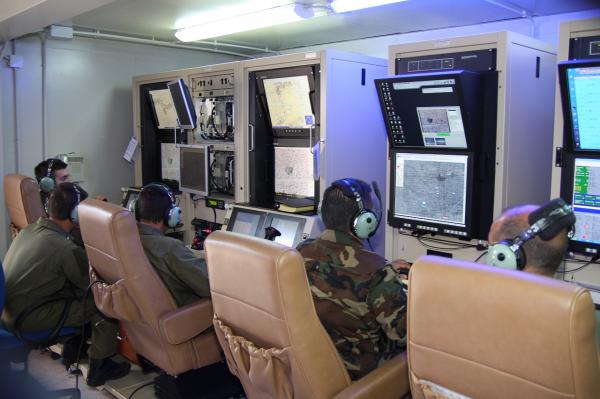 General Atomics Aeronautical Systems, Inc. has announced two contracts in support of GA-ASI’s new RPA Training Academy in Grand Forks, North Dakota.
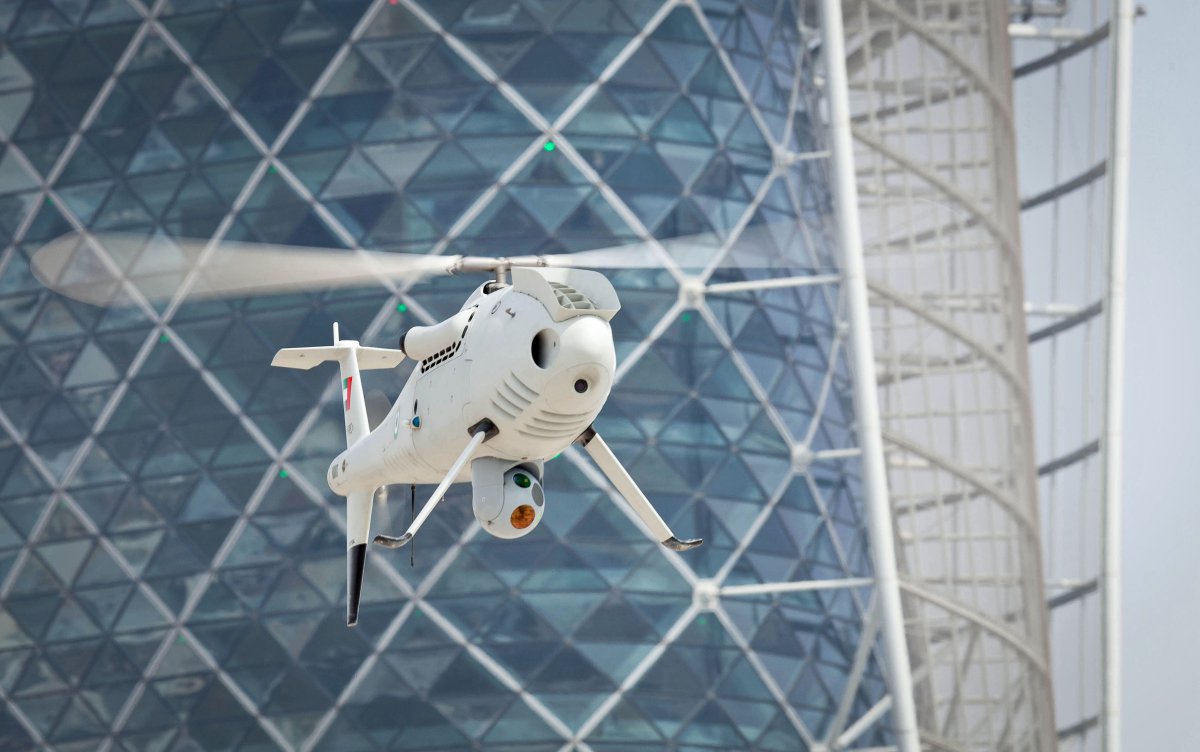
NovAtel’s compact GAJT anti-jam antenna is now on-board Schiebel’s revolutionary CAMCOPTER S-100 Unmanned Air System (UAS). Schiebel, the Vienna-based manufacturer focused on the development, testing and production of the state-of-the-art CAMCOPTER S-100UAS, as well as innovative mine detection equipment, is a long-time customer of NovAtel’s high precision Global Navigation Satellite System (GNSS) positioning technology. Continue reading
 Crop-spraying specialist Air Tractor, Inc. has announced its expansion into the field of unmanned aerial systems. The recent acquisition of Hangar 78 UAV, and its flagship aircraft, the Yield Defender unmanned aerial system (UAS) will create the foundation of Air Tractor’s development and visionary integration of unmanned technology to complement its core agricultural and fire-fighting aircraft lines.