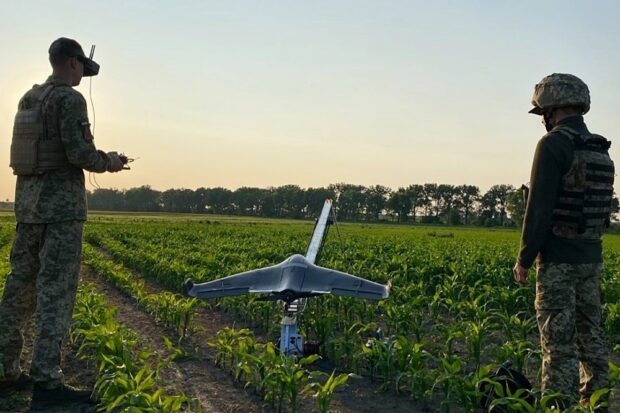
The Ukrainian Air Force has showcased an unmanned aerial system (UAS) built to intercept Iranian-designed Shahed drones widely used by Russia. Continue reading

an independent online news service for the Unmanned Aircraft Systems world
The Ukrainian Air Force has showcased an unmanned aerial system (UAS) built to intercept Iranian-designed Shahed drones widely used by Russia. Continue reading
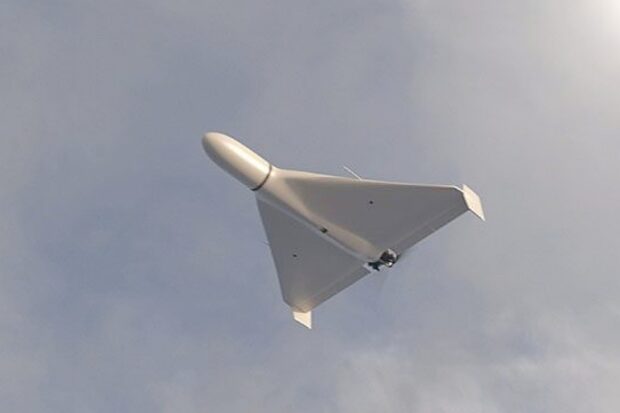
As of June 15, 2025, Russia has more than 1,950 strategic missiles of various types, including ballistic, cruise, and hypersonic Kinzhals, as Ukraine’s Defense Intelligence told RBC-Ukraine. Continue reading
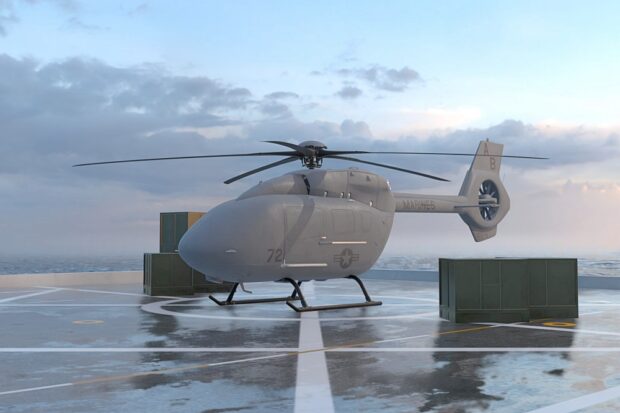
– Parry Labs, a provider of edge software platforms, and Airbus U.S. Space & Defense have announced a multi-year partnership for the Airbus MQ-72C Aerial Logistics Connector (ALC), an unmanned variant of the UH-72 Lakota. Continue reading
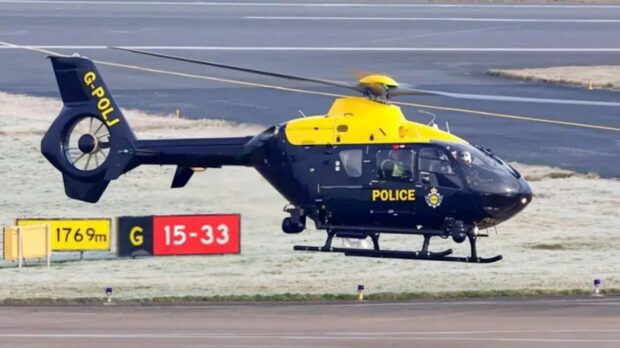
A police helicopter reported a near miss with a drone that was in fact a US jet fighter, a report said. The helicopter had been sent to the area around RAF Lakenheath, in Suffolk, last November following reports of unmanned aerial vehicles in the area. Continue reading
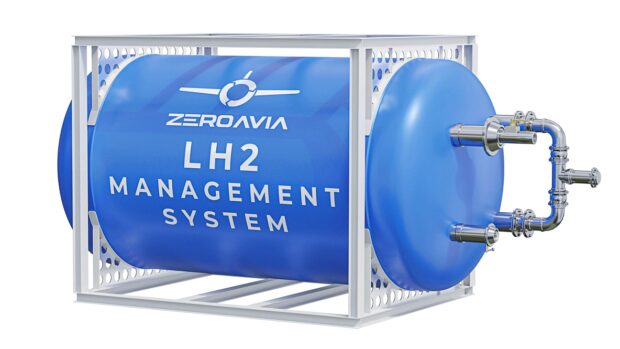
– ZeroAvia has announced the UK Government has awarded the company and consortium partners a grant towards a £10.8m project to develop a novel liquid hydrogen management system. Continue reading

The rapid growth of autonomous systems in defense and other sectors is creating new challenges in software deployment and management. Market analysis highlights this trend, with the global military drone and unmanned aerial vehicle (UAV) market projected to expand at an estimated compound annual growth rate of 11.2 percent through 2033. Continue reading
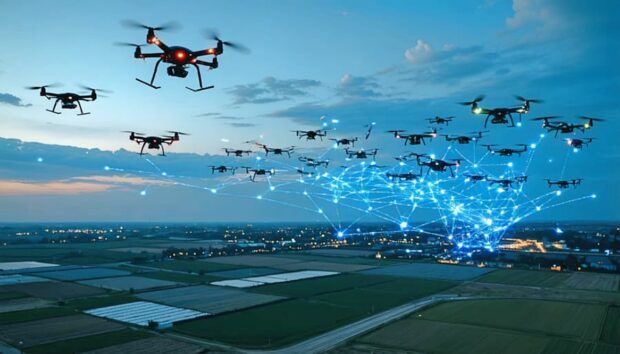
Imagine a sky filled with dozens of synchronized drones, moving as one cohesive unit – this is UAV swarm technology, and it’s revolutionizing everything from search and rescue operations to precision agriculture. By combining advanced algorithms, mesh networking, and distributed intelligence, drone swarms represent the next frontier in autonomous aerial systems. Continue reading
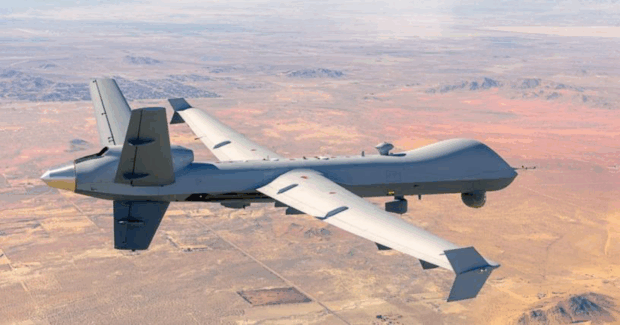
The computer code that runs the MQ-9 Reaper will be overhauled in the next two years to test revolutionary new tools that would make its software ‘much, much harder to hack.’ Continue reading