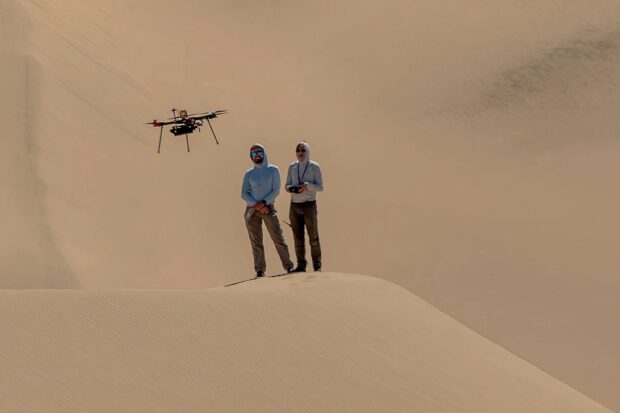
When NASA engineers want to test a concept for exploring the Red Planet, they have to find ways to create Mars-like conditions here on Earth. Then they test, tinker, and repeat. Continue reading

UAS VISION
an independent online news service for the Unmanned Aircraft Systems world
When NASA engineers want to test a concept for exploring the Red Planet, they have to find ways to create Mars-like conditions here on Earth. Then they test, tinker, and repeat. Continue reading

China may have just found a way to take aim at Elon Musk’s Starlink satellite constellation: a massive swarm of special signal-jamming drones. Researchers at Zhejiang University and the Beijing Institute of Technology modelled how roughly 1,000 to 2,000 coordinated jammers could overwhelm the satellite network. Continue reading
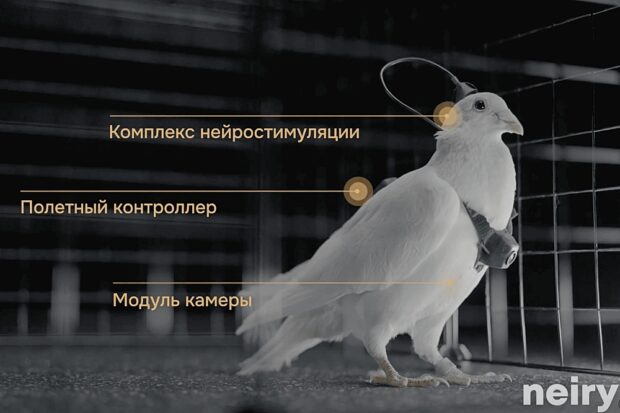
Russia’s Neiry has tested the first flock of biodrone pigeons with neural interfaces implanted in their brains. They differ from conventional drones in their long operating time and range. Continue reading
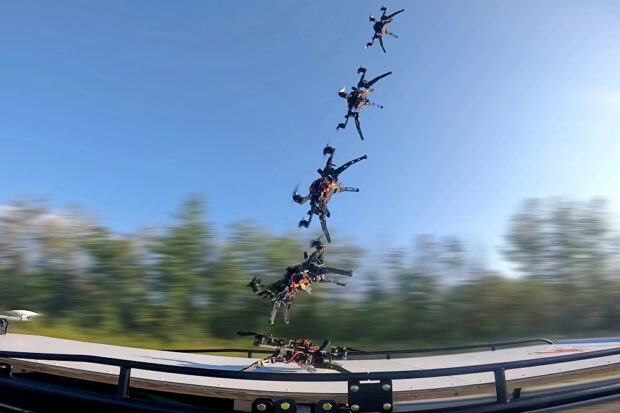
Drones are already very useful, but they could be even more so if they could land on vehicles without requiring those vehicles to slow down for them. A new system makes that possible, allowing for on-truck landings at speeds of up to 110 km/h (68 mph). Continue reading
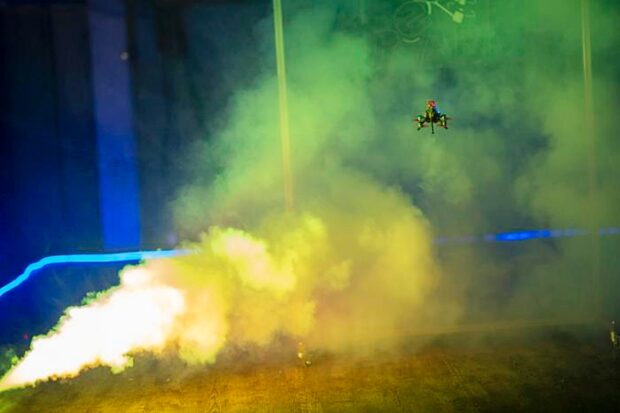
When Worcester Polytechnic Institute (WPI) Professor Nitin Sanket watches birds weave through forests or bats fly effortlessly in the dark, he sees more than nature’s marvels—he sees the future of robotics. Continue reading
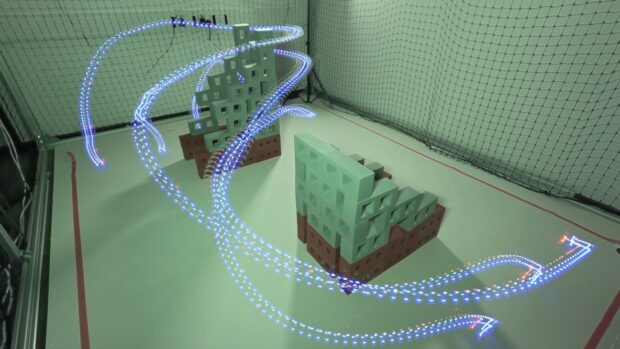
– Durham University scientists have unveiled a major advance in drone swarm technology that could transform the way unmanned aerial vehicles (UAVs) are used in real-world missions. Continue reading
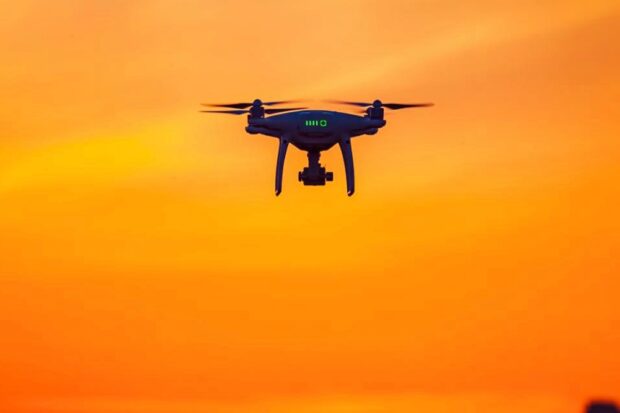
A team of aerospace engineers from China has proposed a new evasive maneuvering technology that would allow combat drones to increase their survivability rate to almost 90 percent. Continue reading
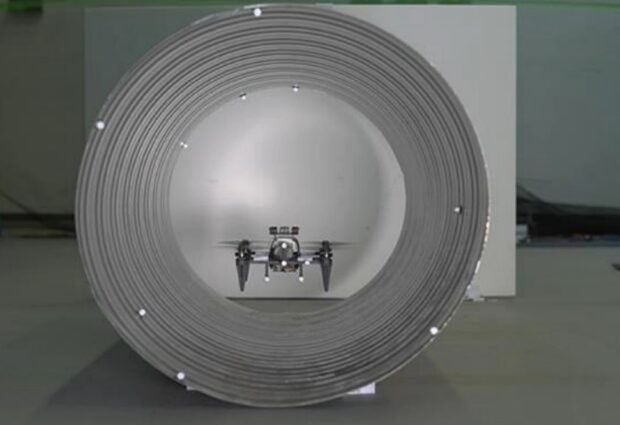
A new article published in npj Robotics addresses the challenge of flying small quadcopters in ventilation ducts with a maximum diameter of 35 cm. This research, conducted by a team of researchers from Inria, CNRS, the University of Lorraine, and Aix-Marseille University, opens up a new field of possibilities relating to the accessibility and inspection of confined environments. Continue reading