Category Archives: Non-Military & Commercial UAS

Innovative Drone Mapping Techniques Help Manage Oil and Gas Facilities in Australia

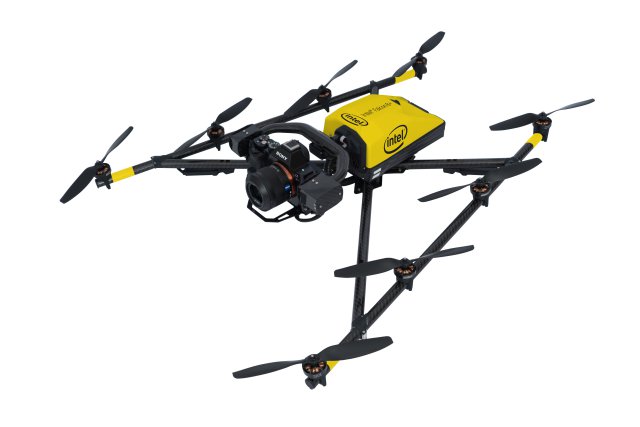
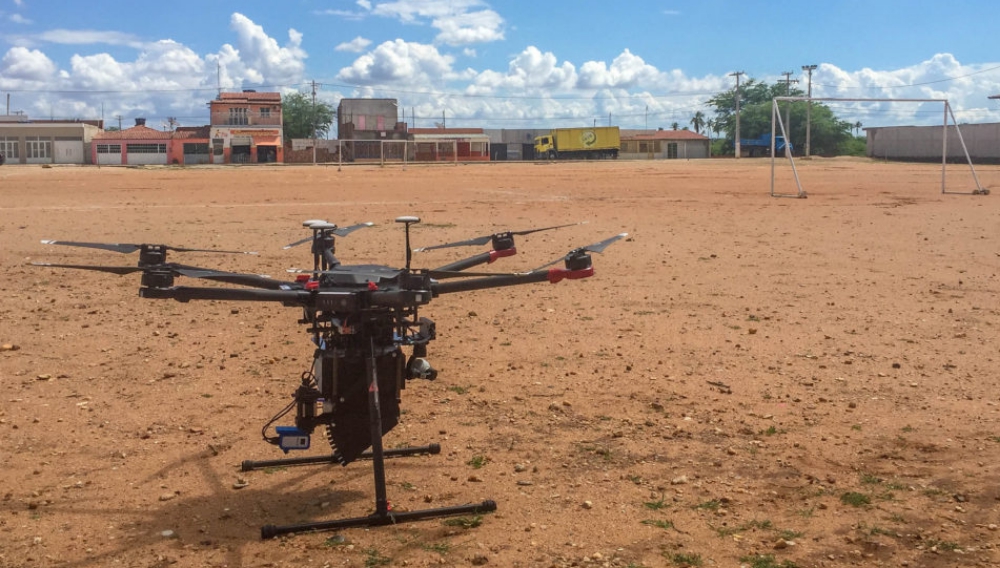
Aerial modelling and inspections using commercial-grade drones offer compelling advantages for the resource sector by increasing safety, saving time and reducing survey costs. Airscope, a Perth-based inspections and asset visualisation company, has used the Intel Falcon 8+  to extend these benefits further by developing computer-generated 3D models of entire hydrocarbon processing facilities off the North West shelf of Australia and in the Cooper Basin, effectively bringing the field into the boardroom for more effective asset management. Continue reading

NATS and Altitude Angel Partner on UTM in UK

Richard Parker, Founder and CEO of Altitude Angel and Andy Sage, NATS Head of Drones

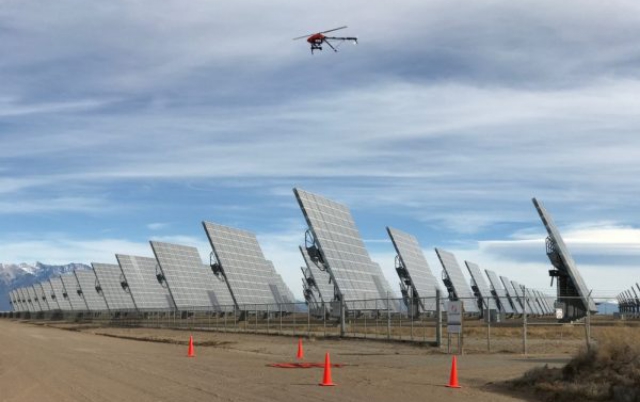
NATS, a UK air traffic services provider, and fast-growing UK-based drone traffic management solutions company Altitude Angel, have entered a strategic partnership that lays the foundation for a future whereby drones and manned aircraft could safely co-exist in the UK’s busy skies. Continue reading

Wingtra Launches High-Precision Photogrammetry UAV

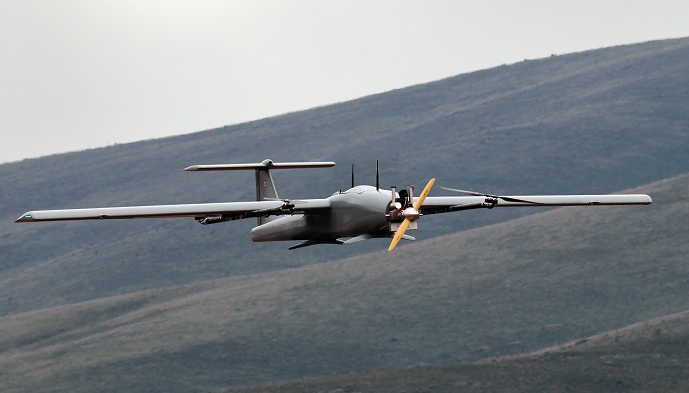
Swiss UAV manufacturer Wingtra  has announced the launch of WingtraOne PPK (Post-Processed Kinematics) UAV. With the help of partners – photogrammetry software provider Pix4D, and the GNSS board and PPK provider Septentrio – WingtraOne PPK is now able to deliver orthomosaic maps and 3D models with an absolute accuracy down to 1 cm (0.4 in).

Continue reading

LiDAR Enables Discovery of Maya Ruins in Guatemala

National Geographic/Wild Blue Media

Teledyne Optech’s Titan sensor was used by the University of Houston’s National Center for Airborne Laser Mapping (NCALM) to reveal extensive Mayan ruins in Guatemala. Lidar technology was able to identify hundreds of previously unknown structures, including raised highways, and complex irrigation and terracing systems. Continue reading

Drones Help Restore Power in Puerto Rico’s Mountains

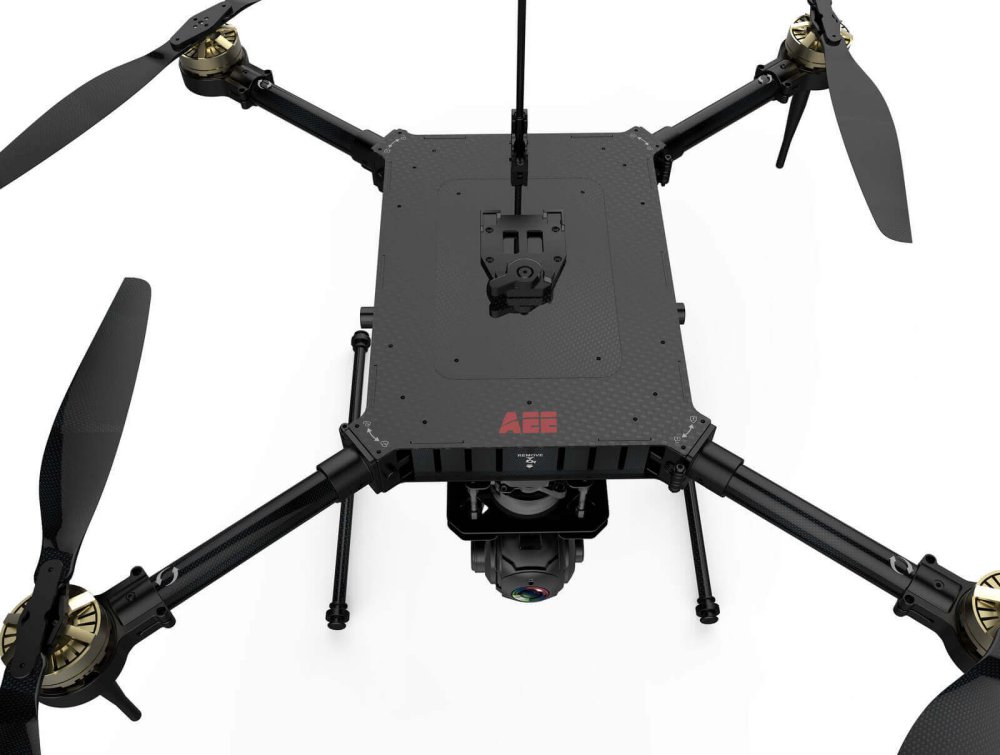
In the mountains near Ponce, Puerto Rico, after Hurricane Maria hit, the terrain made it incredibly difficult to repair power lines that used to stretch from peak to peak. For four months, people in the area lived in the dark. In January, Duke Energy started using a new approach to cross 1,000-feet-plus wide ravines: drones.

Continue reading