
The Quantum TRON commercial drone takes off and lands as a typical quad-copter. In the air though the drone converts into an airplane with two propeller engines.

UAS VISION
an independent online news service for the Unmanned Aircraft Systems world
The Quantum TRON commercial drone takes off and lands as a typical quad-copter. In the air though the drone converts into an airplane with two propeller engines.
 ZEROTECH has unveiled the DOBBY, a consumer selfie drone that folds and fits in your pocket. With intelligent features that make aerial photography quick and easy for drone experts and beginners, DOBBY is ZEROTECH’s first ever product to be launched internationally and will be available later this month in the United States and Canada, as well as across Europe.
 AeroVironment, Inc. has announced that it is teaming with Australia-based XTEK, Sentient Vision and General Dynamics (GD) Mediaware to deliver AeroVironment’s Family of Unmanned Aircraft Systems to the Australian market. The team will offer the AeroVironment Wasp AE Micro Air Vehicle, designated as the RQ-12A by the U.S. Department of Defense, to the Australian Armed Forces.
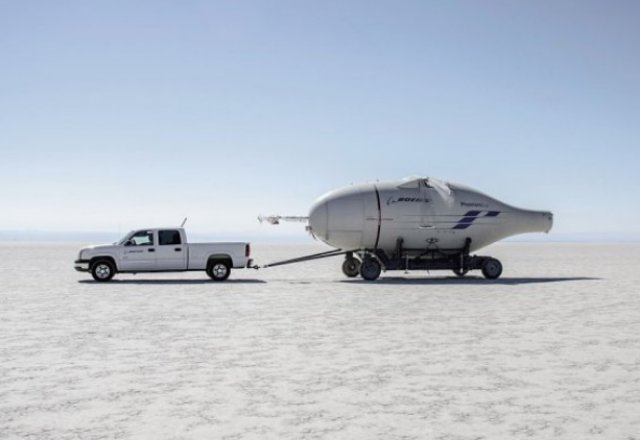 Boeing’s hope that the Phantom Eye high-altitude long-endurance unmanned aerial vehicle (UAV) might be returned to the skies has been ended with the disclosure by the US Air Force (USAF) that the sole prototype is to be sent to a museum instead.
 Intel received from the Federal Aviation Administration (FAPP) the Part 107 Certificate of Waiver, which posted today on the FAA’s website. The waiver is from regulations regarding daylight operation and the operation of multiple small unmanned aircraft. Intel is authorized to operate multiple small unmanned aircraft systems at night within Special Security Notice Flight Restriction Areas in the United States.

When you think of the up-and-coming players in the commercial drone market, you might think of Amazon, or Google … but how about AT&T? “AT&T is going to be one of the biggest users of drones in the United States,” Art Pregler, who heads AT&T’s drone program and serves as director of national mobility systems, told GeekWire in an interview. Continue reading
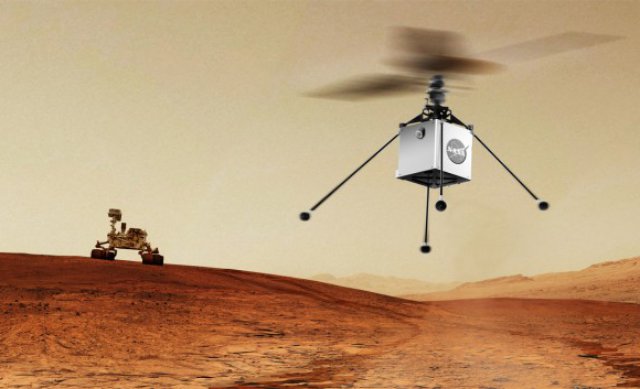 NASA is now planning on using a UAV in addition to the Rover in order to explore Mars. The reasons are very simple, and parallel the desire to use UAV’s on earth. Having a camera in the air, instead of being stuck on the ground, allows for better perspective to see details of the terrain. And also, avoids the problem that rovers have with negotiating difficult terrain.
 Russia’s newest Rubezh airspace control system is capable of identifying and tracking unmanned aerial vehicles, cruise missiles and low-flying aircraft by using GSM networks, Izvestiya reported, adding that the innovative solution could also be employed to assist with rescue operations and to improve fire safety. Continue reading