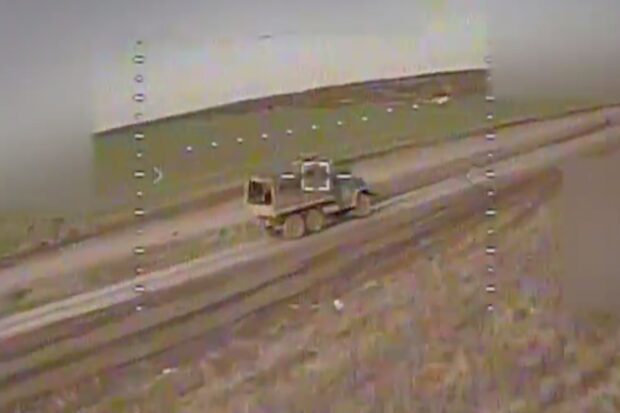
FPV-drones capable of flying at a speed of about 150 kilometers per hour appeared in service with the Defense Forces of Ukraine. Continue reading

UAS VISION
an independent online news service for the Unmanned Aircraft Systems world
FPV-drones capable of flying at a speed of about 150 kilometers per hour appeared in service with the Defense Forces of Ukraine. Continue reading
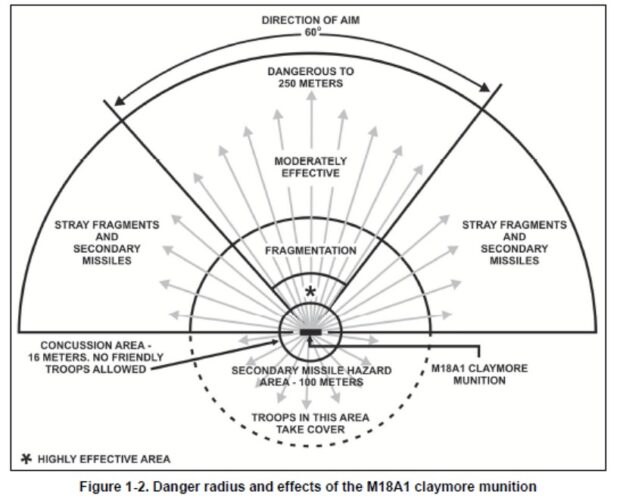
They first began appearing in large numbers in the sky over Ukraine last fall: small, first-person-view drones packing grenades or shells with airburst fuzes. Remotely detonated in mid-air and blasting tiny fragments over a wide area, the airburst drones pose an ever greater danger to unprotected infantry than do the usual explode-on-impact FPV drones. Continue reading
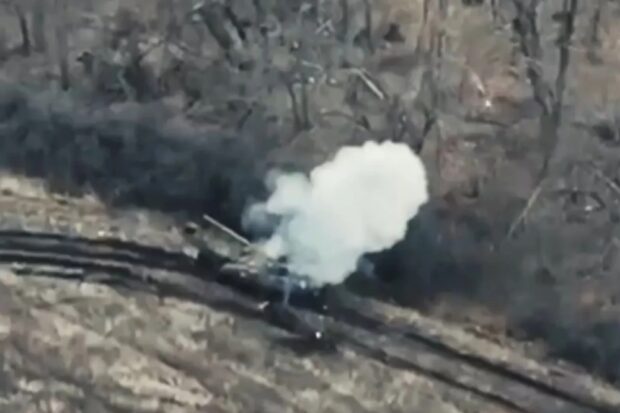
Ukrainian activist and volunteer, Serhii Sternenko, has shared video footage showcasing the use of a new FPV drone equipped with autonomous targeting capabilities. The drone reportedly demonstrated its ability to strike targets without direct operator commands, marking a new milestone in Ukrainian military tactics. Continue reading
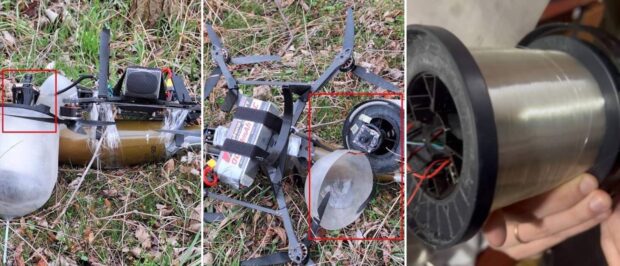
The invasion forces of Russia have started using FPV drones controlled via fiber optic wires. This way of signal exchange makes the UAVs completely invulnerable to any electronic warfare systems as they operate without reliance on radio communication. Continue reading
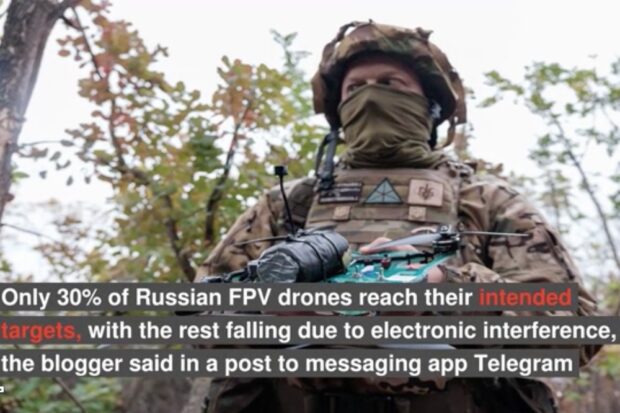
Russian first-person-view (FPV) drones are being “suppressed by our own electronic warfare,” according to a Russian military blogger. Continue reading

A Russian infantry team were caught out in the open around Avdiivka during a daylight assault, they sought cover in an unlikely place: the rusting hulk of a destroyed BTR wheeled fighting vehicle. Continue reading
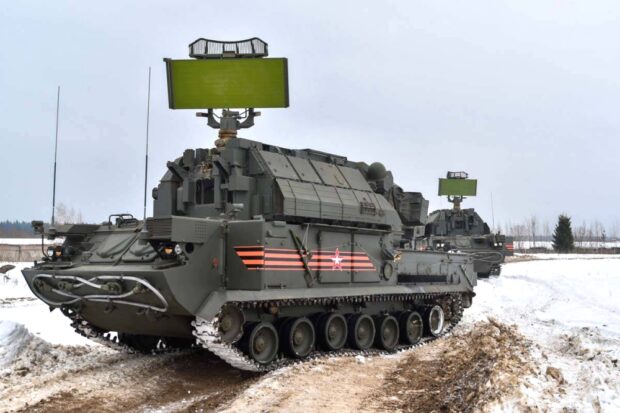
Soldiers from Ukraine’s 92nd Mechanized Brigade attack drone company have published a video featuring their first-person-view UAV crashing into a russian Tor-M1 anti-aircraft missile system. Continue reading
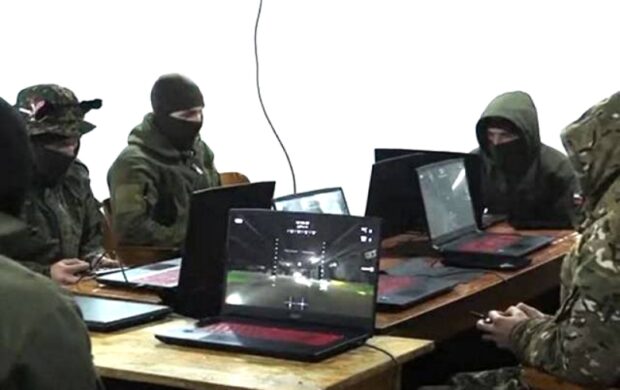
The Center for Integrated Unmanned Solutions (CCDB) has developed a tool for the hibernation of FPV drones of the Joker line, which allows unmanned aerial vehicles to go into sleep mode for up to several weeks after being placed in an attack position. Continue reading